Ask a Barcelona local where to eat and you will not hear La Rambla mentioned once. This is the guide to the other city — the one with vermouth on tap, anchovies on toast, and a bar that's been pouring absinthe since 1820.
The tourist-menu stretch — La Rambla, the Gòtic's main drag, anywhere with a tout holding laminated photos of paella — is almost never where you want to eat. The real scene is a short metro ride into Sant Andreu, Gràcia, Sants and the quieter lanes of El Born and El Raval: small bars, family-run bodegas and vermuterías where the menu is in Catalan and nobody's translated it for you. That's where this list lives.
Barcelona's most storied bar has been pouring drinks since 1820 — the original 19th-century interior is still intact, marble-topped tables and all, in the heart of El Raval. Regulars over the decades reportedly included Picasso, Dalí and Hemingway. Yes, it's on every list now, including this one — but it earned that. Order the house absinthe the old way, over a sugar cube, and take your time with it.
What to order
Barcelona's plate is Catalan and Mediterranean first, with a couple of borrowed classics in the mix. Here's what to actually order:
- Tapas — the default way to eat out: small shared plates, leaning Catalan/Mediterranean rather than classic Andalusian bar-tapas style.
- Pa amb tomàquet — bread rubbed with ripe tomato, olive oil and salt. The everyday table staple, and the truest 'when in Barcelona' bite there is.
- Patatas bravas — fried potatoes with spicy tomato sauce and garlic alioli. Every bar has an opinion on whose is best; that rivalry is half the fun.
- Jamón — cured ham, ibérico or serrano, sliced to order from the corner bodega to La Boqueria itself.
- Escalivada — smoky roasted eggplant, pepper and onion, dressed simply. A quiet highlight on most menus.
- Crema catalana — Catalonia's own torched-sugar custard, the local answer to crème brûlée (and older than it).
- Vermút — less a dish than a ritual. More on that below.
On Saturday or Sunday around midday, locals don't do brunch — they do vermut: house vermouth on tap, poured over ice with a twist, with a few olives or anchovies on the side, usually before lunch rather than instead of it. Three spots on this list are built entirely around it: Vermuteria Oxiterraneo and Vermuteria Puigmartí below, plus La Vermuteria del Tano in Gràcia — a genuine hole-in-the-wall, always busy, standing room only. Go early, or wait.
Worth knowing before you order it: paella is Valencian, not Catalan — a dish Barcelona serves well (and has its own noodle cousin of, fideuà) but didn't invent. That's not a red flag on its own, but a restaurant whose whole identity is 'paella + sangria + a tout on the pavement' is usually optimized for footfall, not flavor. If you want it anyway, La Taberna de la Barceloneta below does a version with a proper socarrat crust.
Fifteen places worth crossing town for
Ranked by a blend of rating, how often a place comes up unprompted in reviews, and plain travel-guide value — not just star count. Bar Marsella tops it on story alone; the rest earn their spot on food.
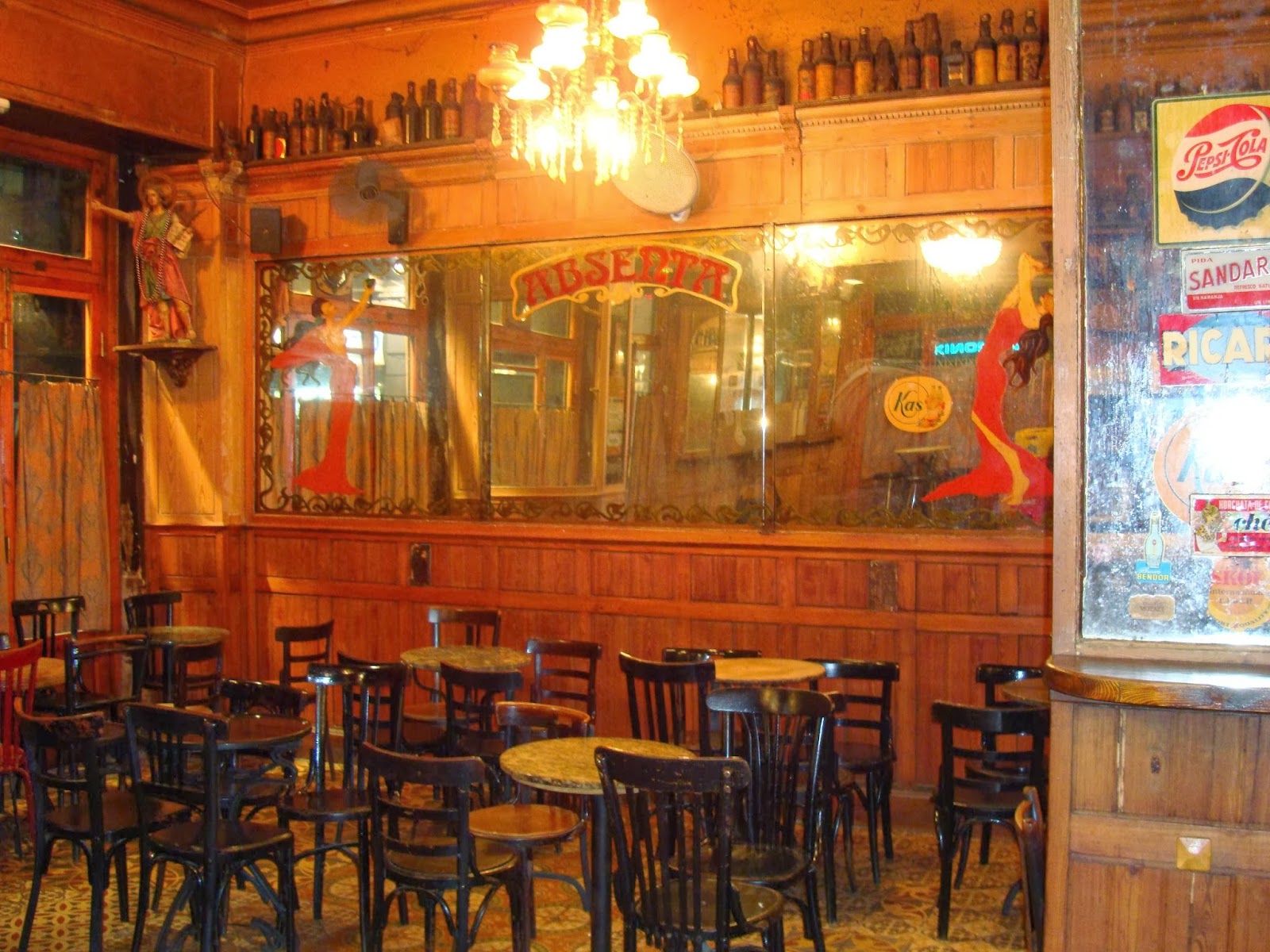
Bar Marsella
The 1820 original. Order the house absinthe and sit with it — the one place on this list that's also a piece of the city's history.
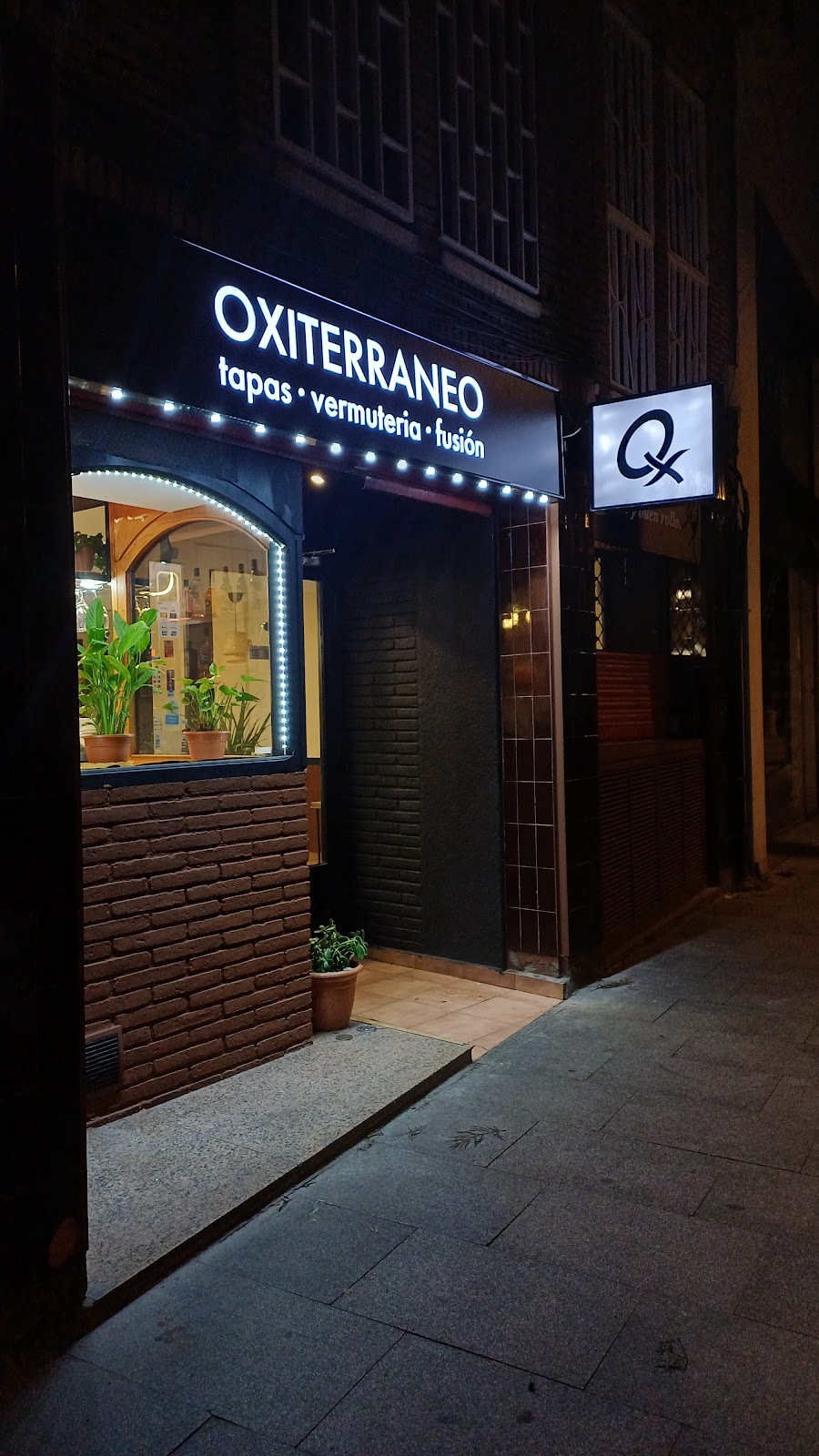
Vermuteria Oxiterraneo
The highest-rated stop on this whole list. House vermouth, ceviche and 'gambas borrachas' (drunken prawns), in a neighborhood most guidebooks skip entirely.
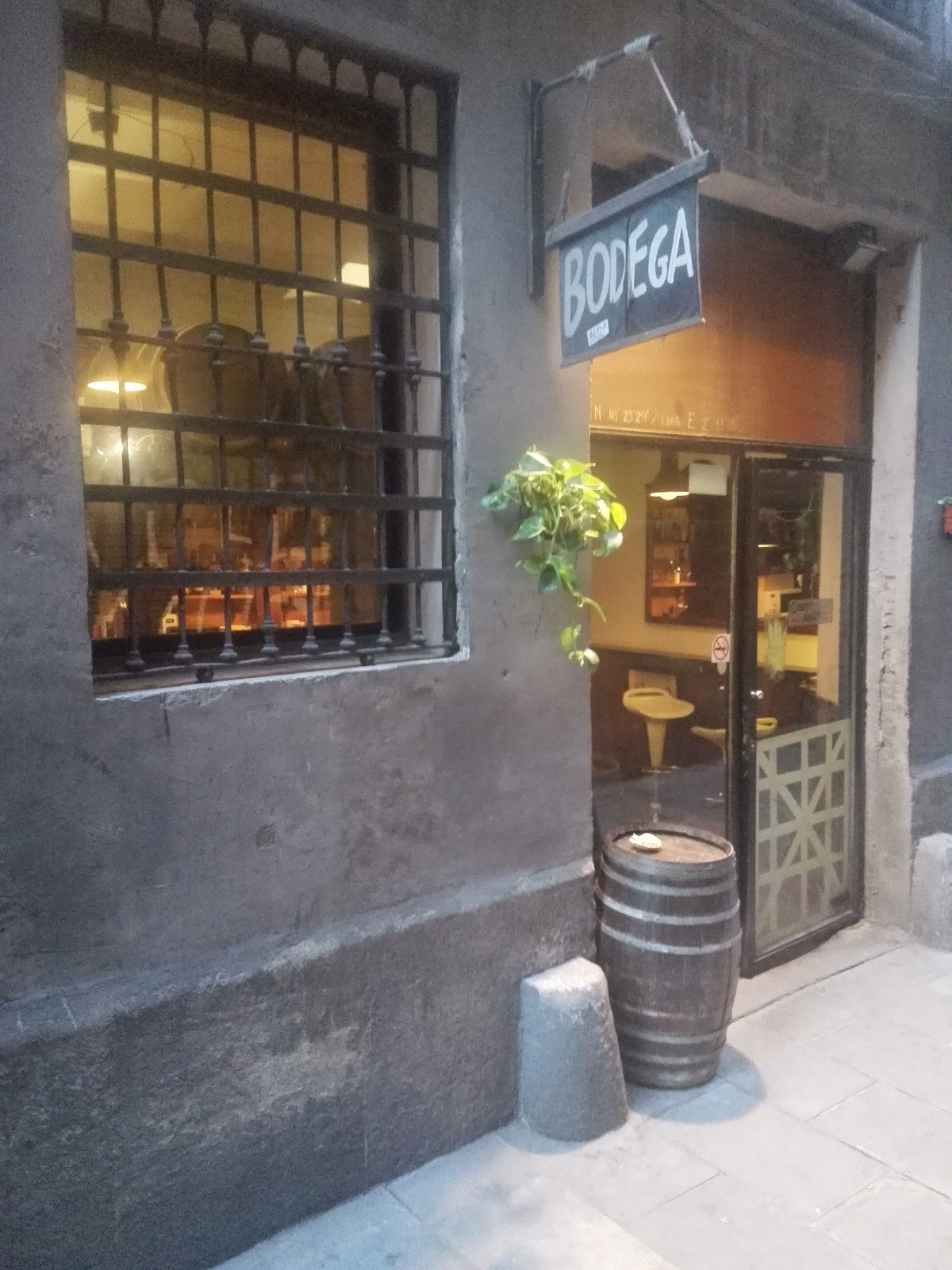
Bodega del Born
Brick walls, a vermouth flight served 'in order of complexity,' and an unlikely but genuinely great pairing: anchovies with strawberry jam.
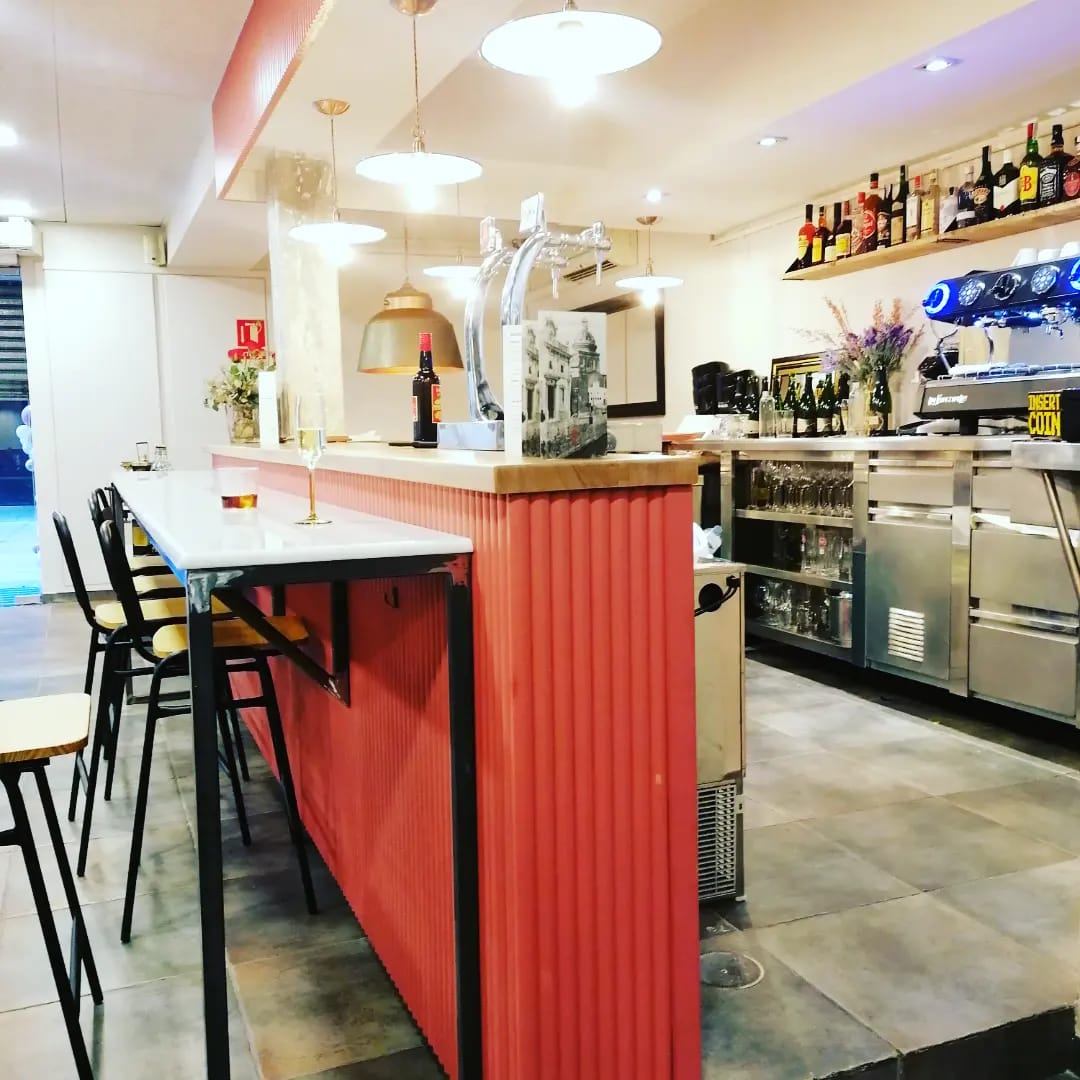
Restaurant l'Andreuenc
Two brothers running traditional Catalan cooking, menú del día around €18. Reserve ahead — word's out.
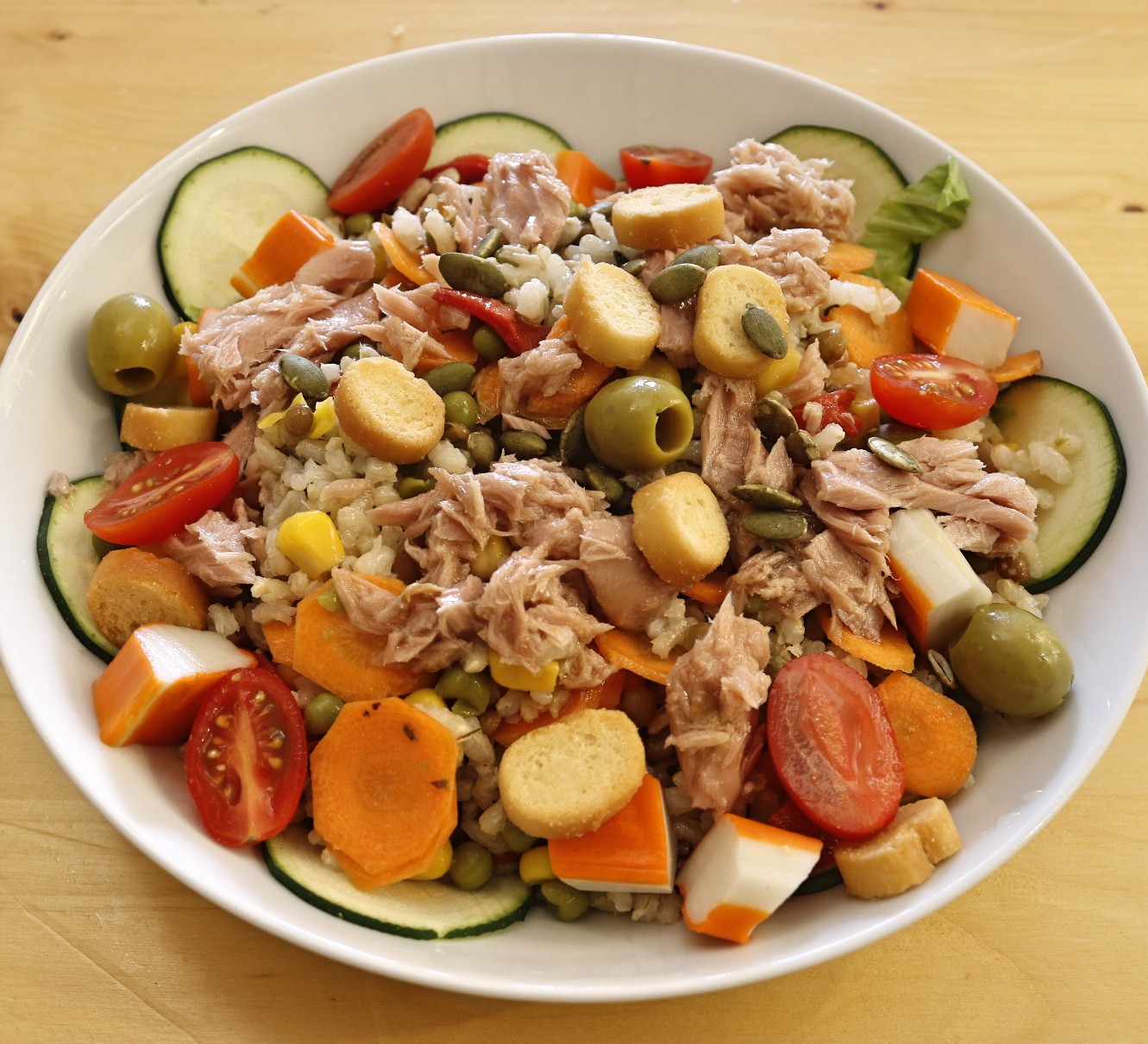
Chez Lola
A French bistro with a €12.90 weekday menú del día. The mustard chicken and the homemade banana-chocolate cake are the two dishes people specifically come back for.
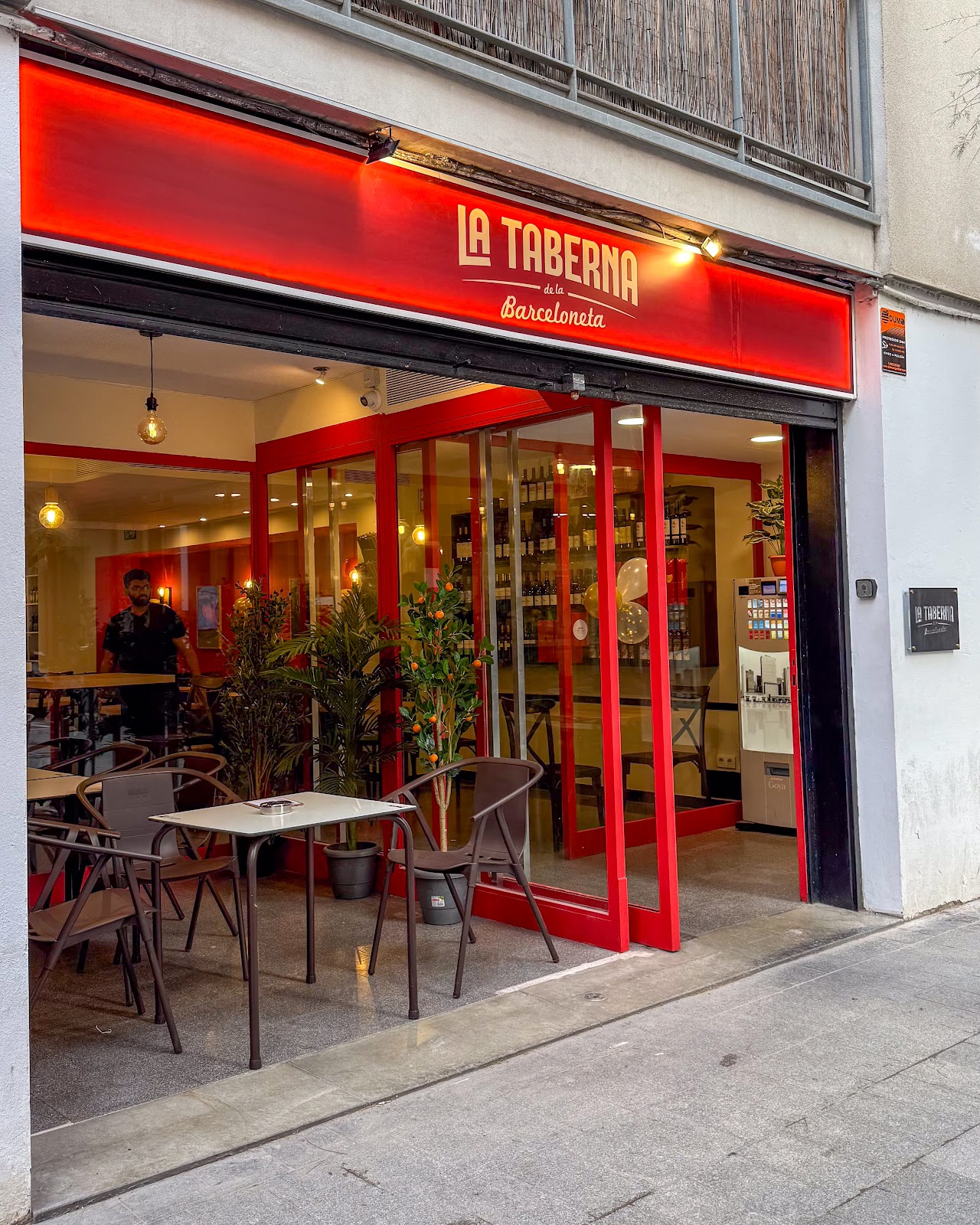
La Taberna de la Barceloneta
Octopus 'bomba' and a paella with a proper socarrat crust, a few streets from the sand.
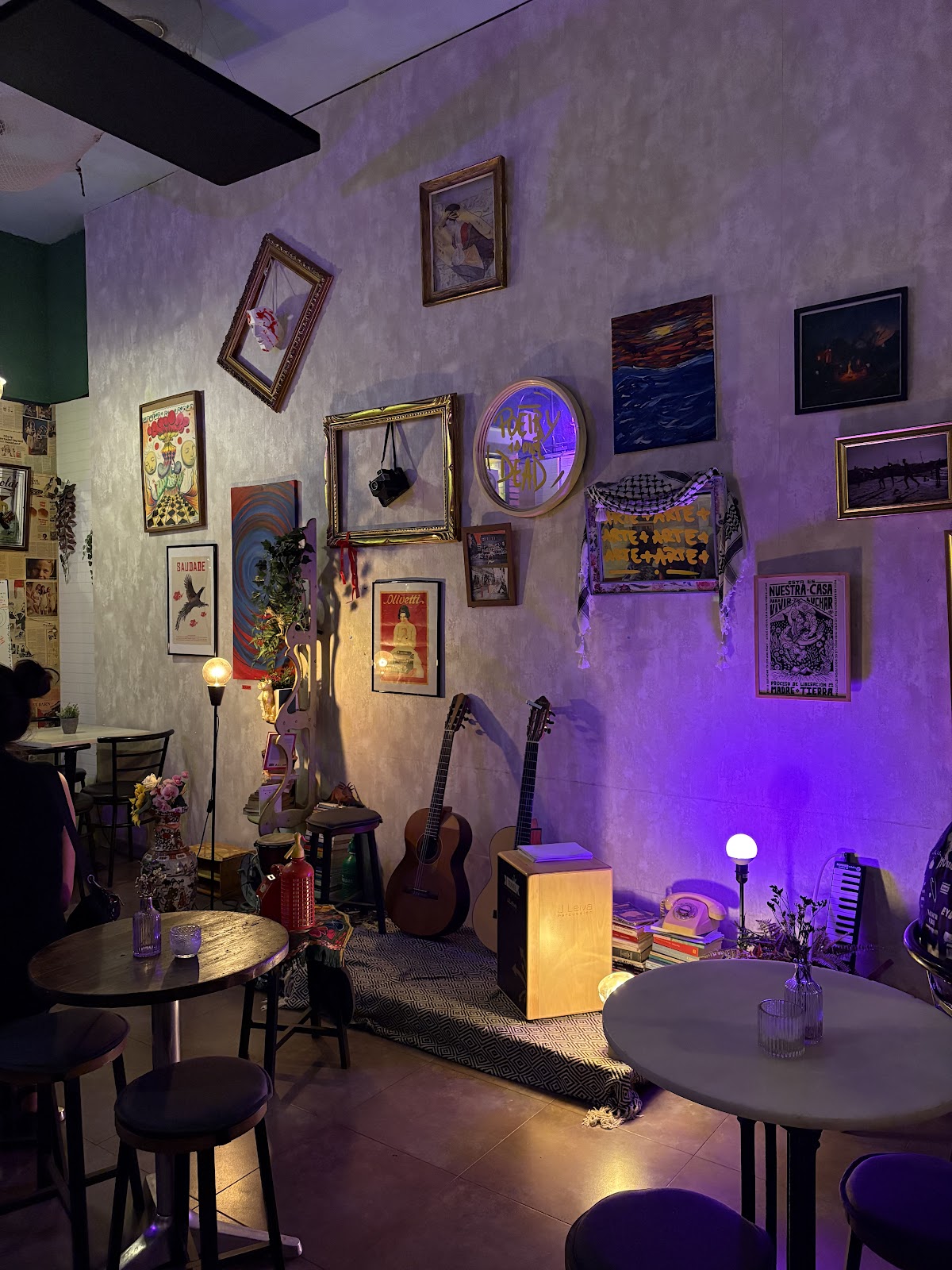
Bodegón Club
Mezcal, focaccia, and live poetry or music some nights — 'tapas with soul,' per its own regulars.
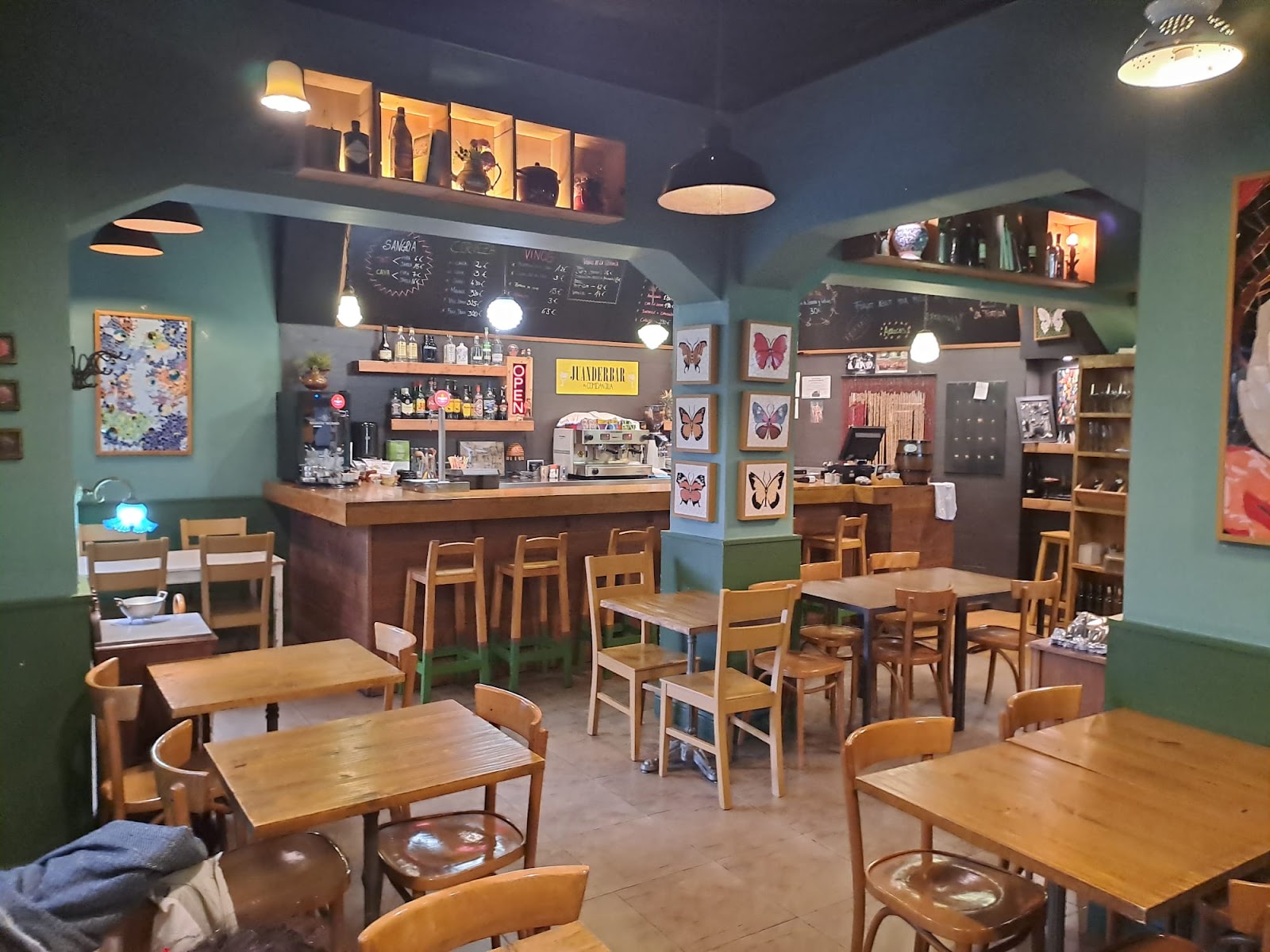
Comida de Olla
Seafood and black paella good enough that people detour here specifically, mid-sightseeing between Park Güell and Sagrada Família.
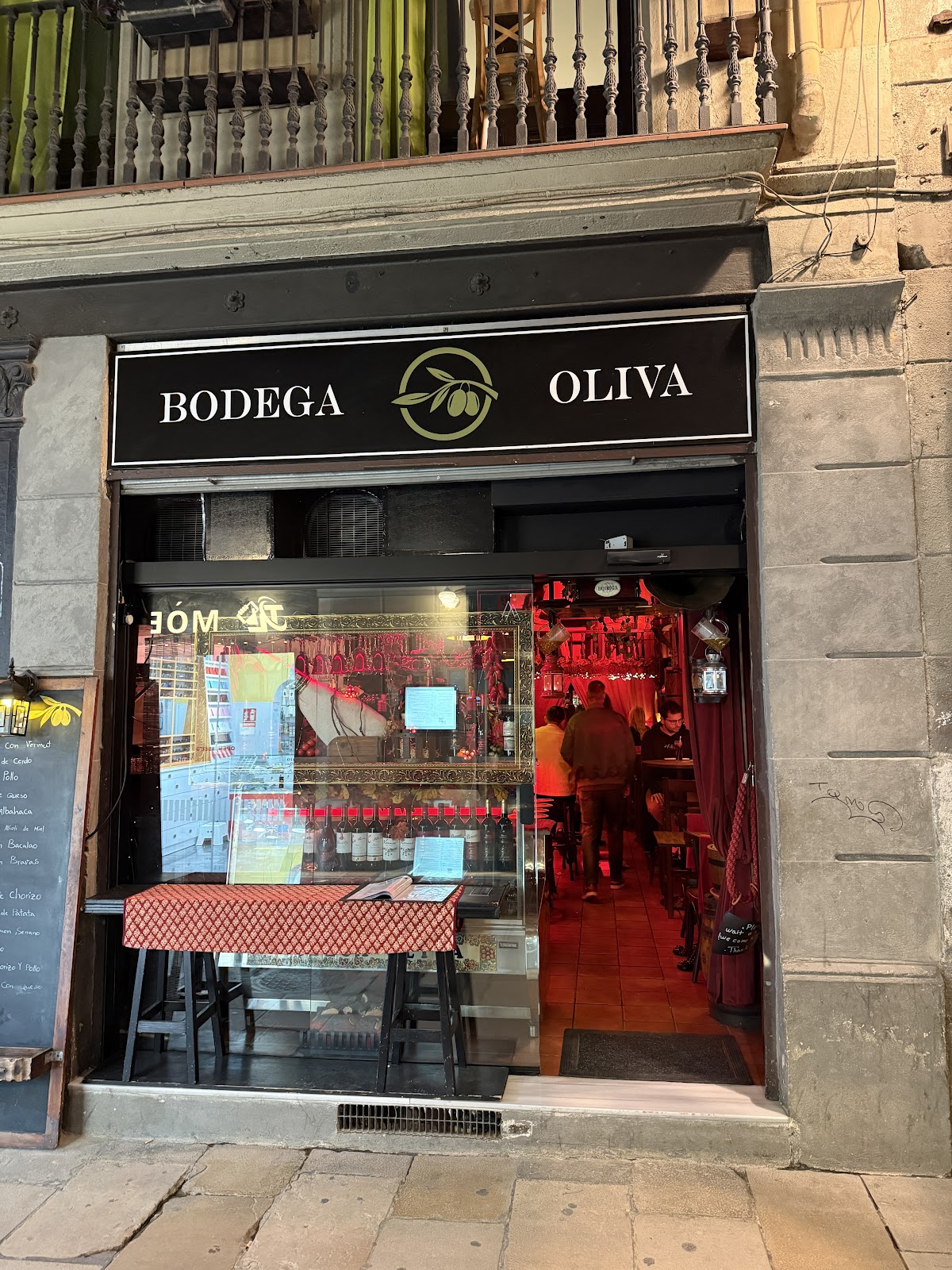
Bodega Oliva
One street off La Rambla and a completely different experience: a tiny room where staff will build you a tasting menu on request. Ask for the eggplant with goat cheese.
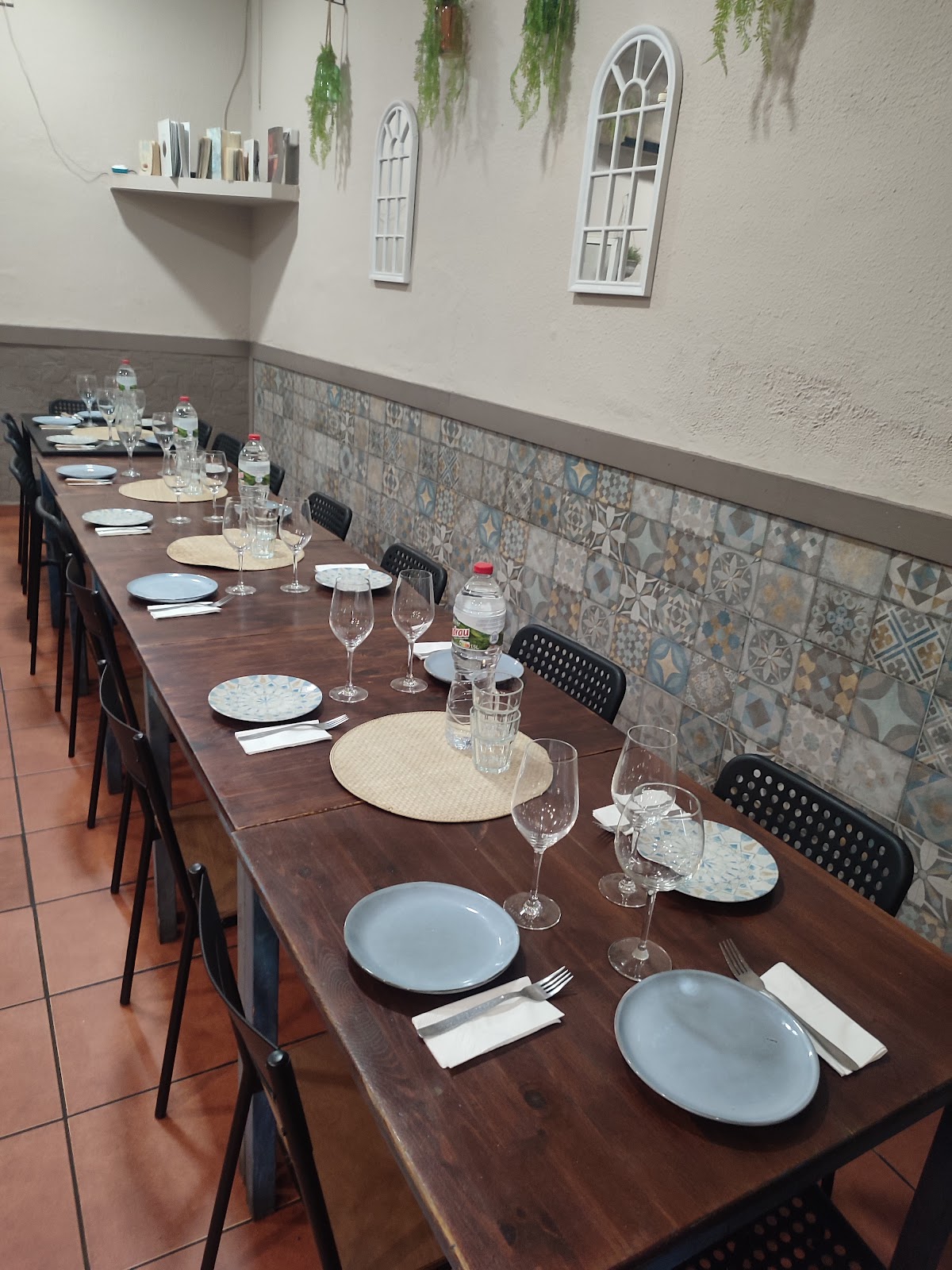
El Cullerot de Sants
Menu written only in Catalan, priced like a neighborhood canteen. Chickpeas with pork cheek and alioli is the dish everyone mentions.
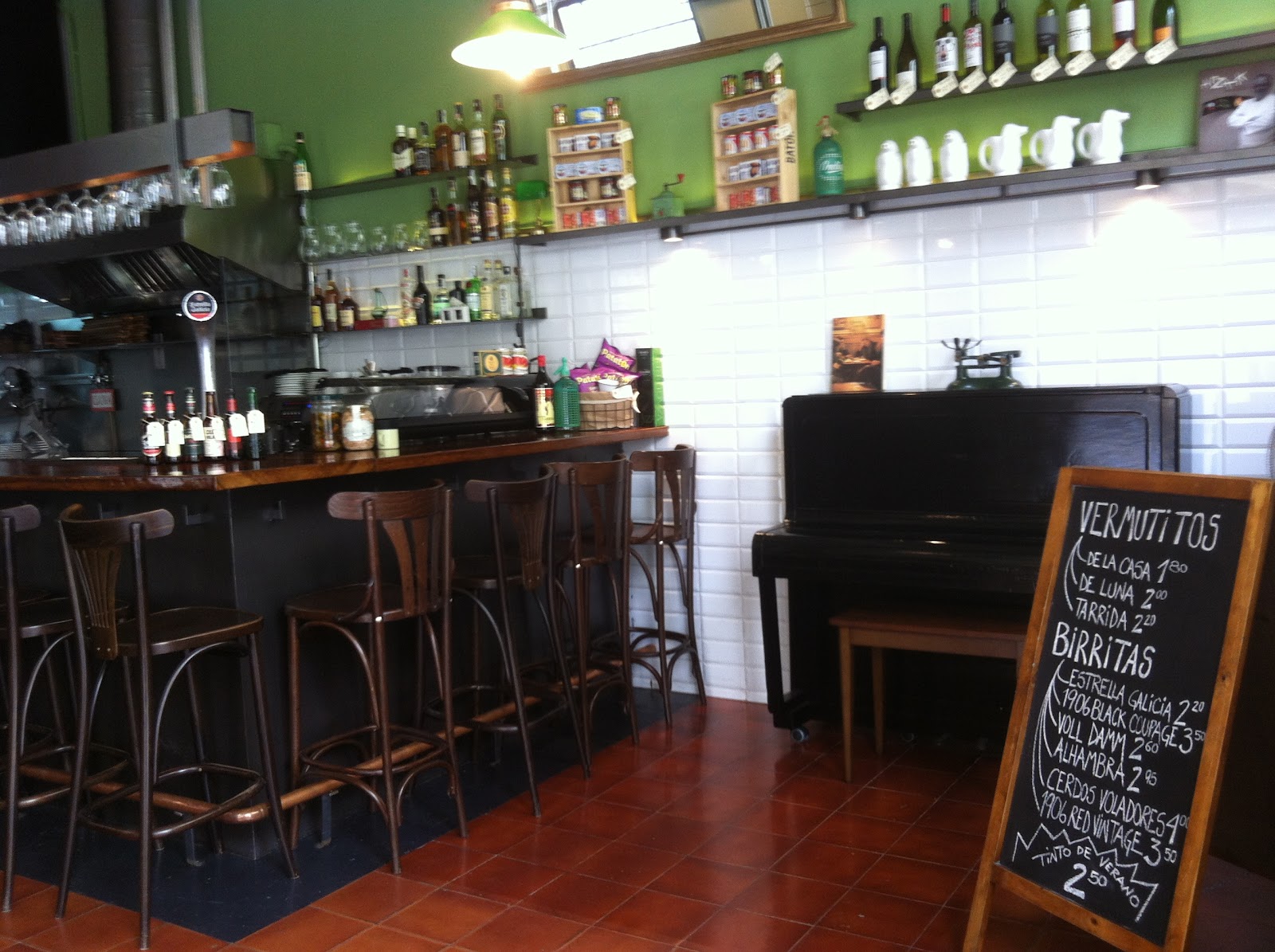
La Platilleria
Market-driven small plates with a real neighborhood feel, away from the Montjuïc crowds.
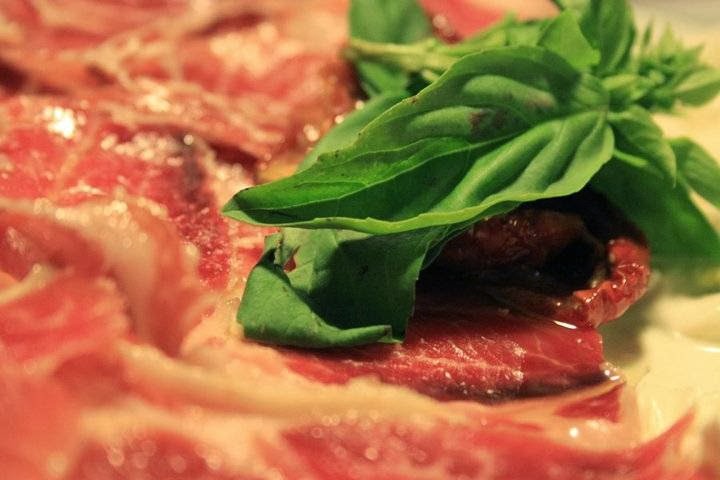
Celler Cal Marino
A working wine cellar — buy a bottle straight from the barrel, or just take a glass with a pincho at the counter.
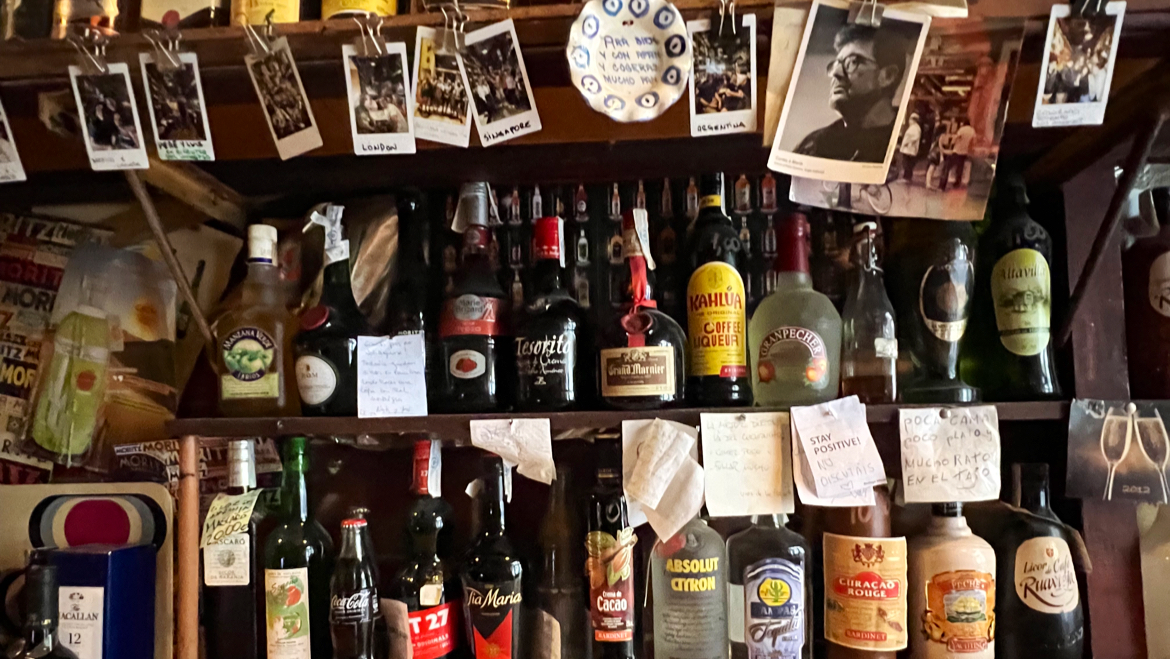
Bodega Marín
Owner-run by Vanessa and Luis. Fast kitchen, and reviewers keep singling out how comfortable it is to eat solo at the bar.
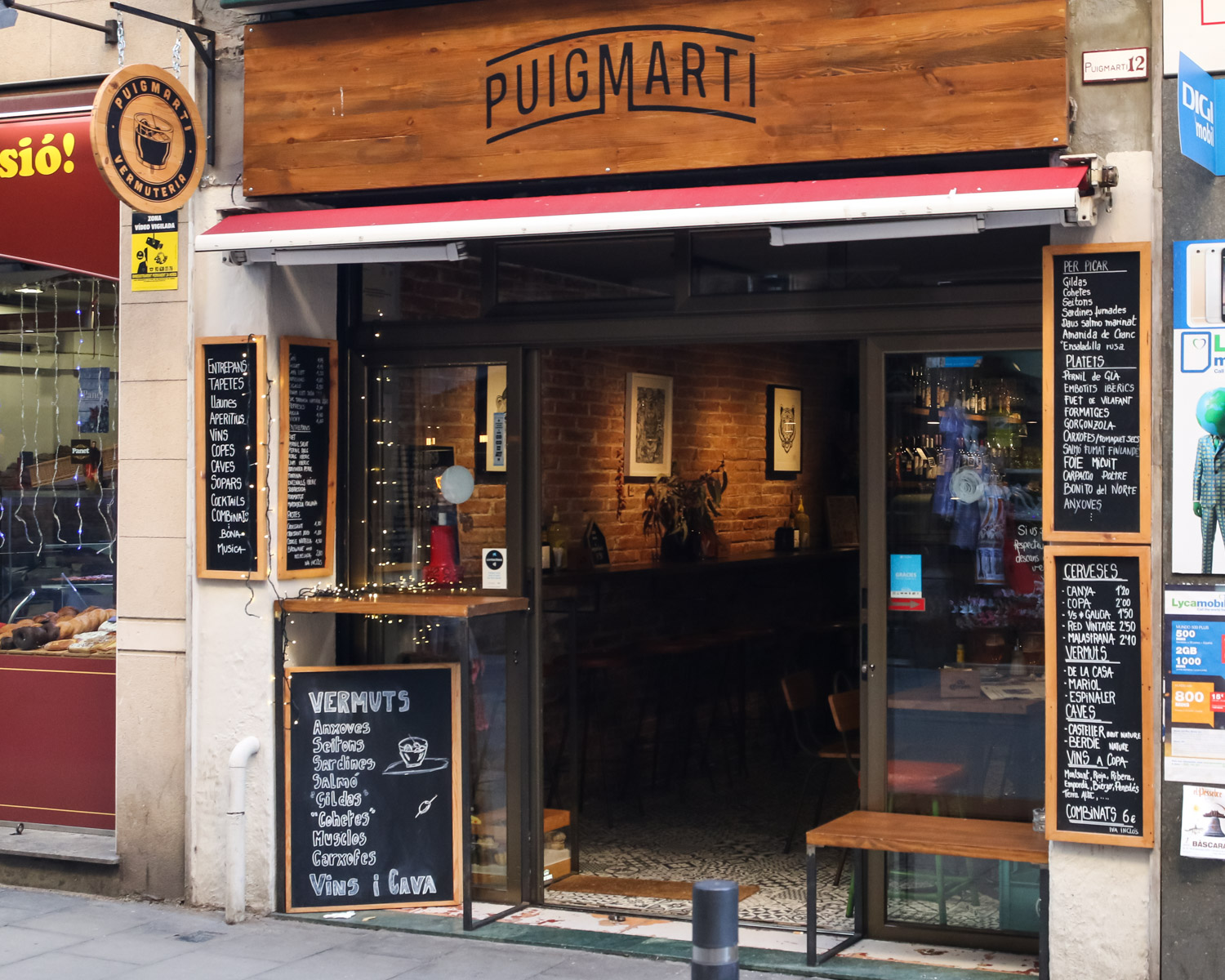
Vermuteria Puigmartí
Home of 'patates Puigmartí' — boiled, not fried, with house sauces. One reviewer summed it up as 'CERO comercial y turístico.'
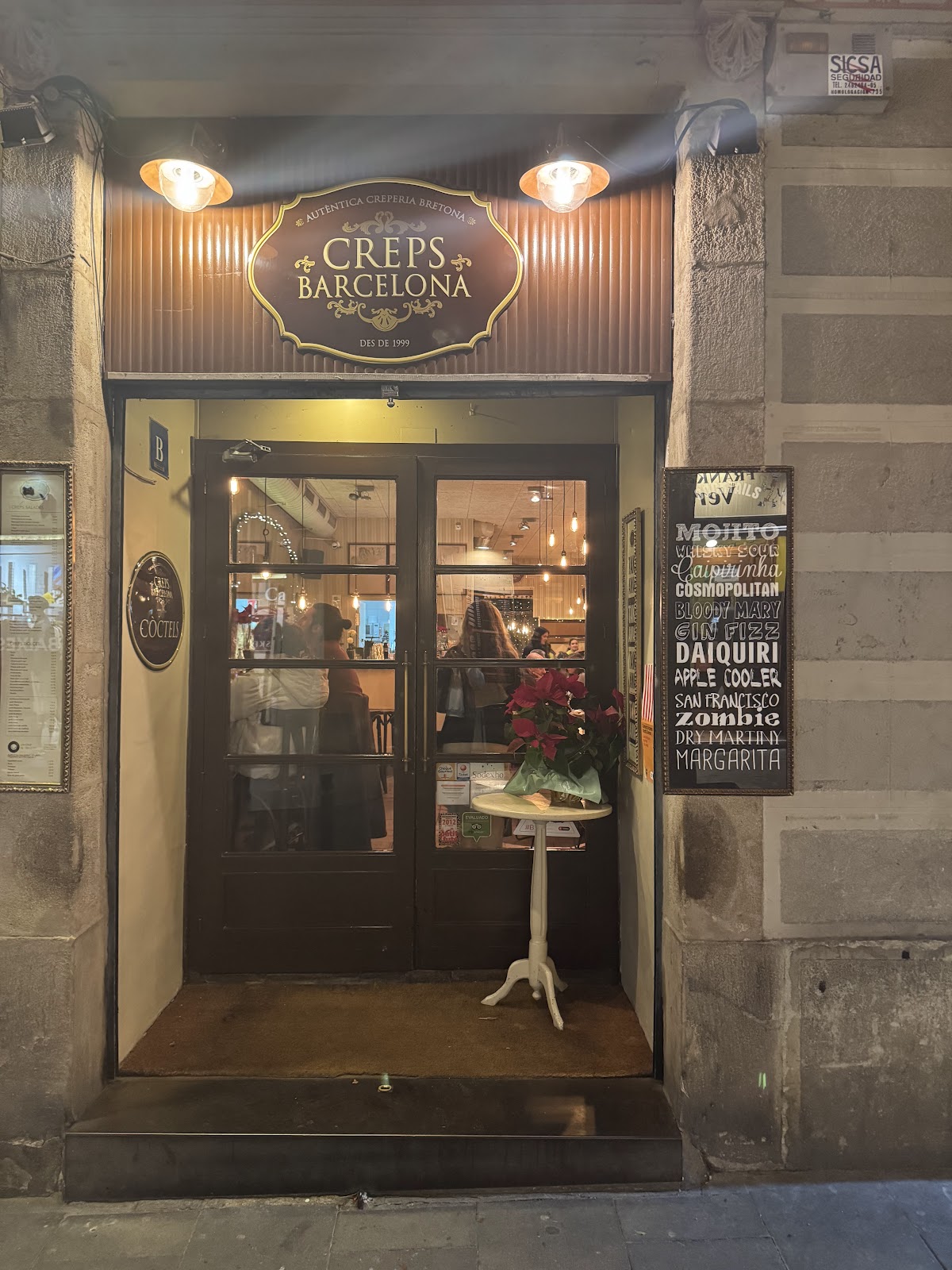
Xocolateria La Nena
Old-school hot chocolate and churros, thick enough to stand a spoon in, plus pa amb tomàquet. The most-reviewed café on this whole list.
Where to eat, neighborhood by neighborhood
A few of these neighborhoods carry most of the list above. Here's what each one is actually like.
Sant Andreu
Tied with Gràcia for the most-represented neighborhood on this list, and maybe the most convincing argument that Barcelona's best food isn't in the center at all. Vermuteria Oxiterraneo, Restaurant l'Andreuenc and Chez Lola are all here — a solid metro ride north of the Gòtic, genuinely residential, genuinely unbothered by tourism.
Gràcia
The other neighborhood carrying this list, and the least touristy of the central districts — a former village annexed into the city in 1897 that still feels like one, all small plazas and independent shops. Bodega Marín, Vermuteria Puigmartí and Xocolateria La Nena sit within a few blocks of each other here.
El Born
Chic-medieval, and more polished than its neighbor the Gòtic — the Picasso Museum and Santa Maria del Mar basilica sit alongside boutique shopping and Bodega del Born's brick-walled bar.
El Raval
Barcelona's grittiest, most multicultural central district: the MACBA contemporary art museum, an edgy bar scene, and Bar Marsella. Improving unevenly — genuinely rough in patches, genuinely worth it for the right bar.
| Neighborhood | The vibe | Watch for |
|---|---|---|
| Sant Andreu | Residential, unbothered by tourism, the strongest food-per-block ratio on this list | Further from the center — budget a proper metro ride |
| Gràcia | Bohemian former village, small plazas, the least touristy central district | Popular with locals on weekend nights — some spots fill fast |
| El Born | Chic-medieval, boutique shopping alongside genuinely good bars | More polished, and pricier, than its neighbor the Gòtic |
| El Raval | Gritty, multicultural, an edgy bar scene including Bar Marsella | Genuinely rough in patches — stick to busy, well-lit streets at night |
| Barri Gòtic | Medieval core, atmospheric early morning or late evening | The main tourist trap by day — the closer to La Rambla, the worse the menu |
Rule of thumb: the further your table is from La Rambla, the better the meal.
Markets: Boqueria vs. the real ones
La Boqueria, off La Rambla, is the famous one — and it's genuinely worth seeing, just go early morning before the tour groups arrive, while it's still a working market rather than a photo line. For markets locals actually shop at, look to Mercat de Sant Antoni and Mercat de la Barceloneta — no polish, no crowd, just the neighborhood buying dinner.
A guided tapas-and-vermut crawl through the Born and the Gòtic is one of the better ways to taste your way through several of these styles in one evening, especially on a first trip when you don't yet know which bar does what.
Several of the family-run bodegas on this list close for a few weeks in August, along with much of small-business Barcelona. If you're building a trip around one specific place from this guide, check its current hours before you go — don't just trust this page.
Frequently asked questions
What's the best neighborhood in Barcelona for real local food?
Sant Andreu, tied with Gràcia — both are genuinely residential, barely touched by tourism, and between them carry most of this guide's list. Sant Andreu sits further out; Gràcia is closer in and just as local.
What is vermut and when do locals drink it?
Vermút is Barcelona's Saturday/Sunday midday ritual — house vermouth on tap with olives or anchovies, usually before lunch rather than instead of it. Vermuteria Oxiterraneo and Vermuteria Puigmartí, both on this list, are built entirely around it.
Is paella actually a Catalan dish?
No — it's Valencian in origin. Barcelona serves plenty of good paella (and its noodle cousin, fideuà), but it's a borrowed dish, not a local invention. A restaurant selling almost nothing else, right on La Rambla, is usually the tourist-trap tell, not a paella specialist.
Land already connected with an eSIM instead of hunting for a SIM at the airport, and don't travel uninsured — one medical bill abroad costs many times the premium.