Sicily, Italy
Palermo
A street-food capital wrapped in Arab-Norman history. The markets, the fried things worth queuing for, and where to base yourself.
 Photographed on the ground · Palermo
A street-food capital wrapped in Arab-Norman history. The markets, the fried things worth queuing for, and where to base yourself.
Photographed on the ground · Palermo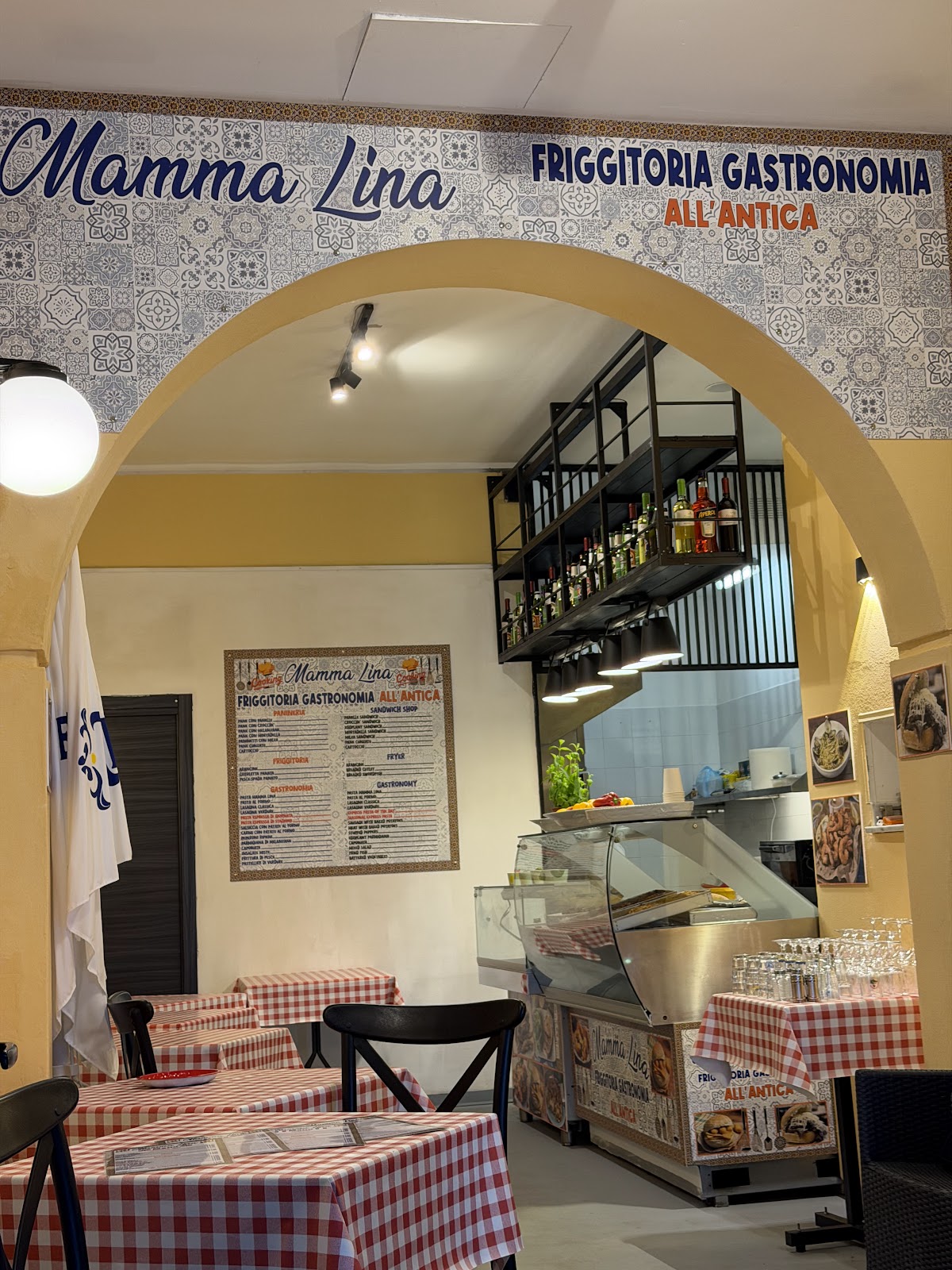
Palermo is one of the world's great street-food cities — arancine, pane e panelle, sfincione, the famous spleen sandwich, all sold from carts and market stalls that have barely changed the recipe in a century. Wrap that in Arab-Norman history dense enough to earn its own UNESCO listing, and you've got one of Europe's most underrated city breaks.
Three market quarters carry that reputation: Ballarò, the biggest and most chaotic, running daily through the Albergheria district; Vucciria, half fading fish market and half open-air food-and-drinks scene once the sun goes down; and Capo, the quieter, more residential version behind the Cathedral. Everything below is built around them — where to eat first, where to sleep, what to see, and how to get in from the airport.
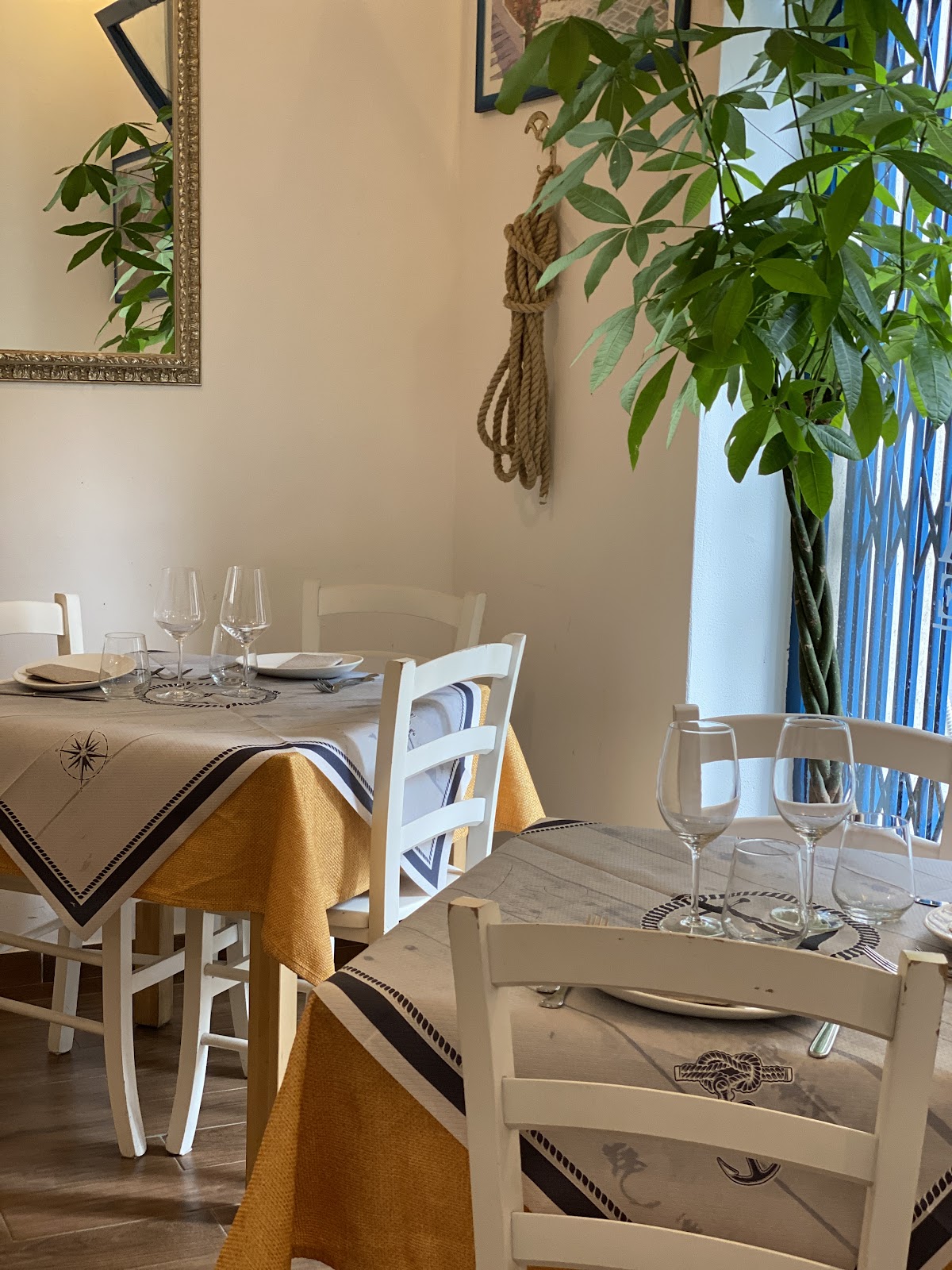
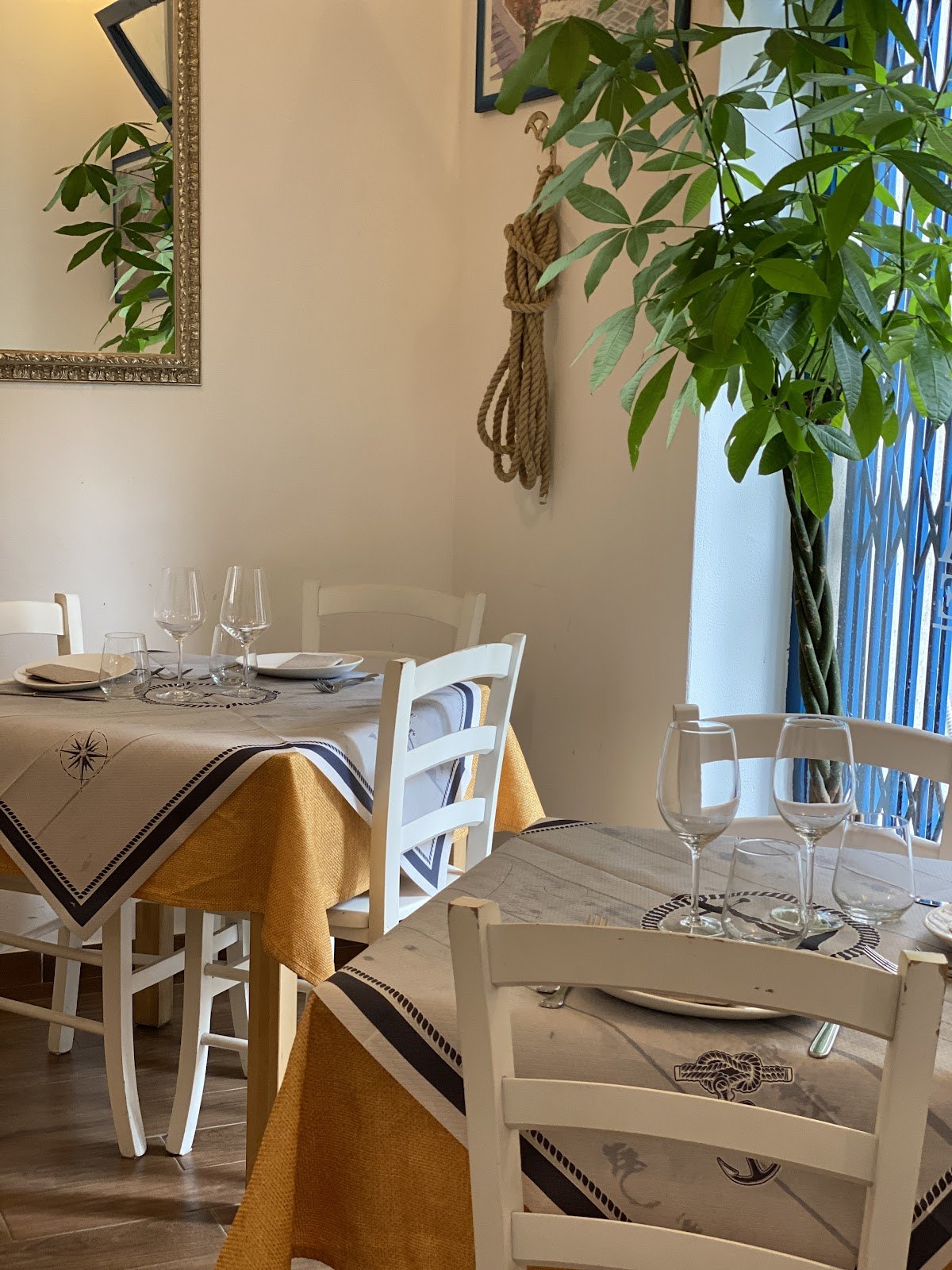
Our flagship pick — a Michelin Guide-listed osteria di mare with a chalkboard-only menu built on whatever the morning market brought in, from a raw crudo platter to a grouper-and-shellfish guazzetto.
An old-school friggitoria e gastronomia run by chef Rita. No printed prices — just ask what's frying off the handwritten bilingual board.
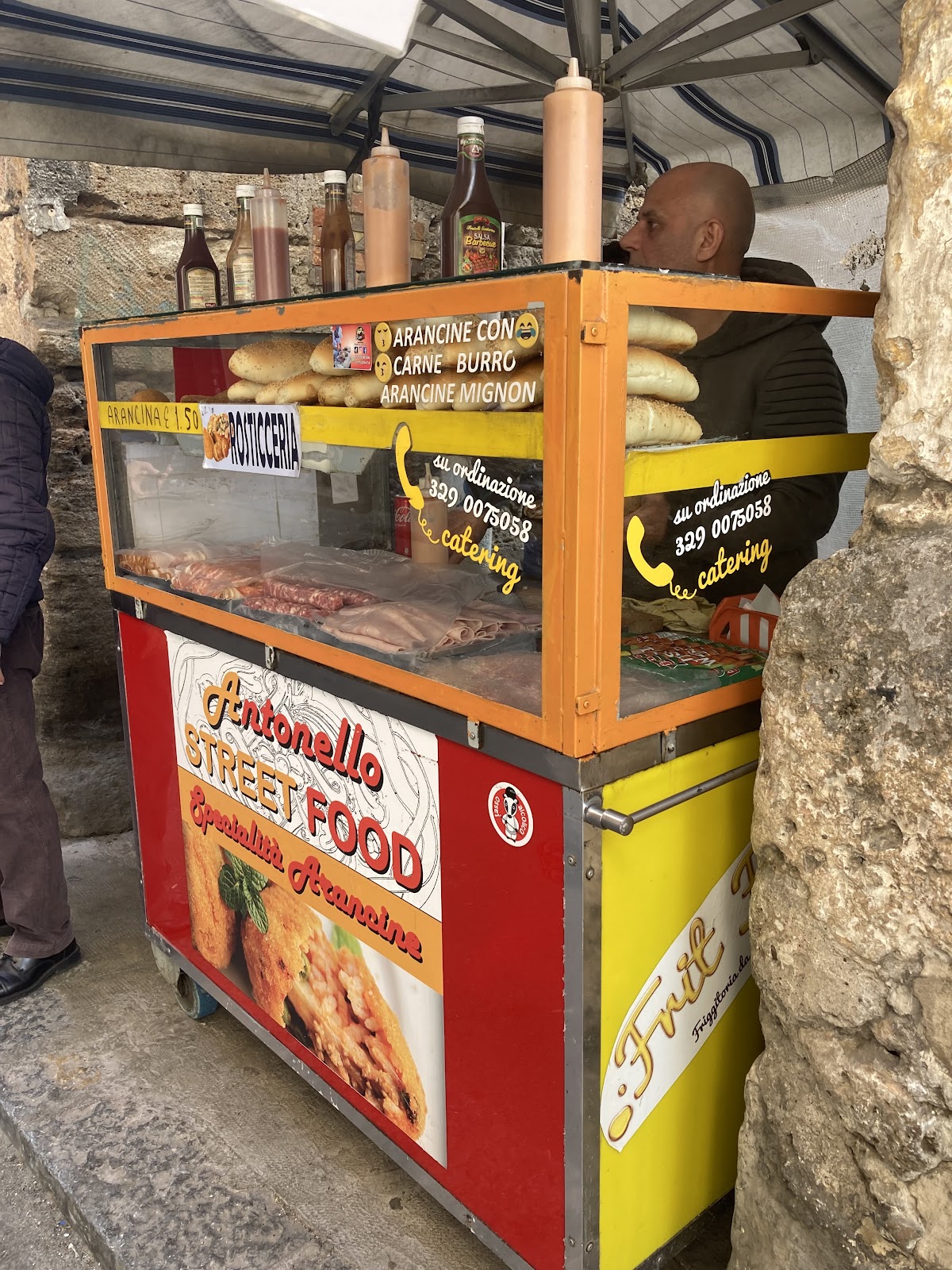
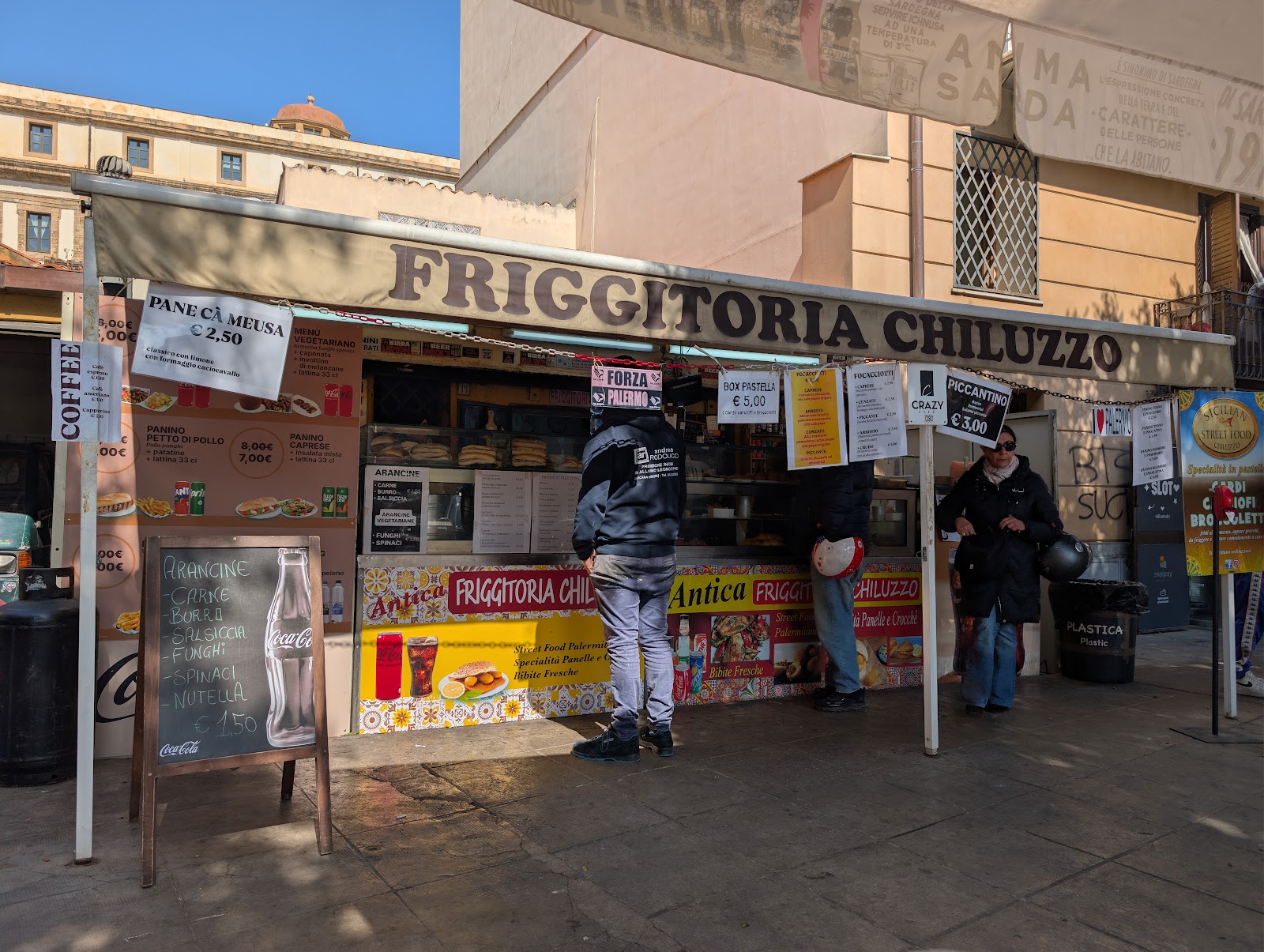
A street cart doing arancine con carne or con burro at €1.50, fried to order. The 'mignon' minis let you taste two fillings in one stop.
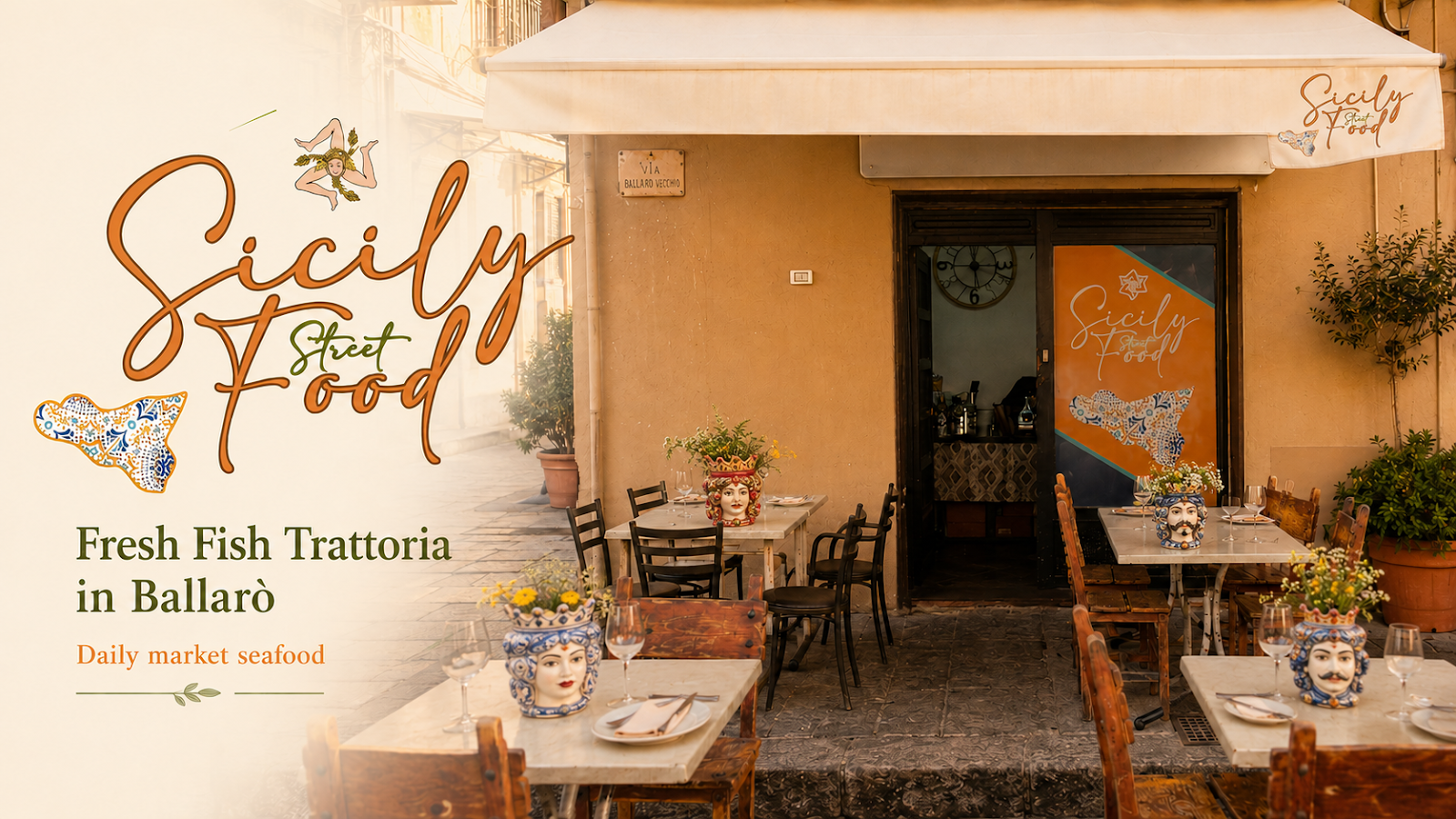
A genuine seafood trattoria inside the market — the pasta con le cozze (€14) is the house special, and the frittura del giorno covers the rest of the catch.
Frying pane e panelle on Piazza della Kalsa since 1943. The whole board runs from €1.50 panelle up to a €3 porchetta panino.
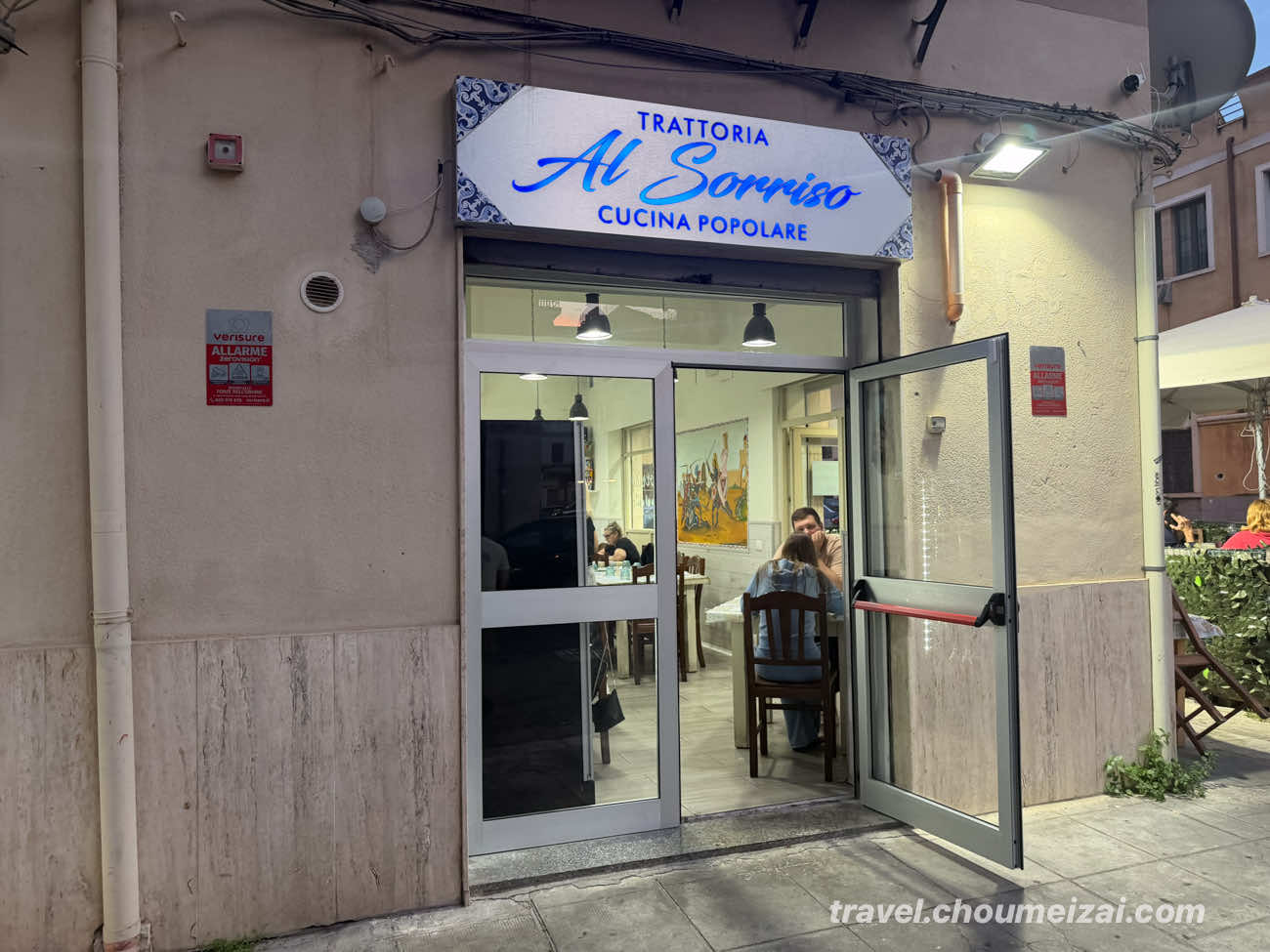
Window-menu classics — grilled calamaro, a caponata starter — at prices that still feel like a market canteen.
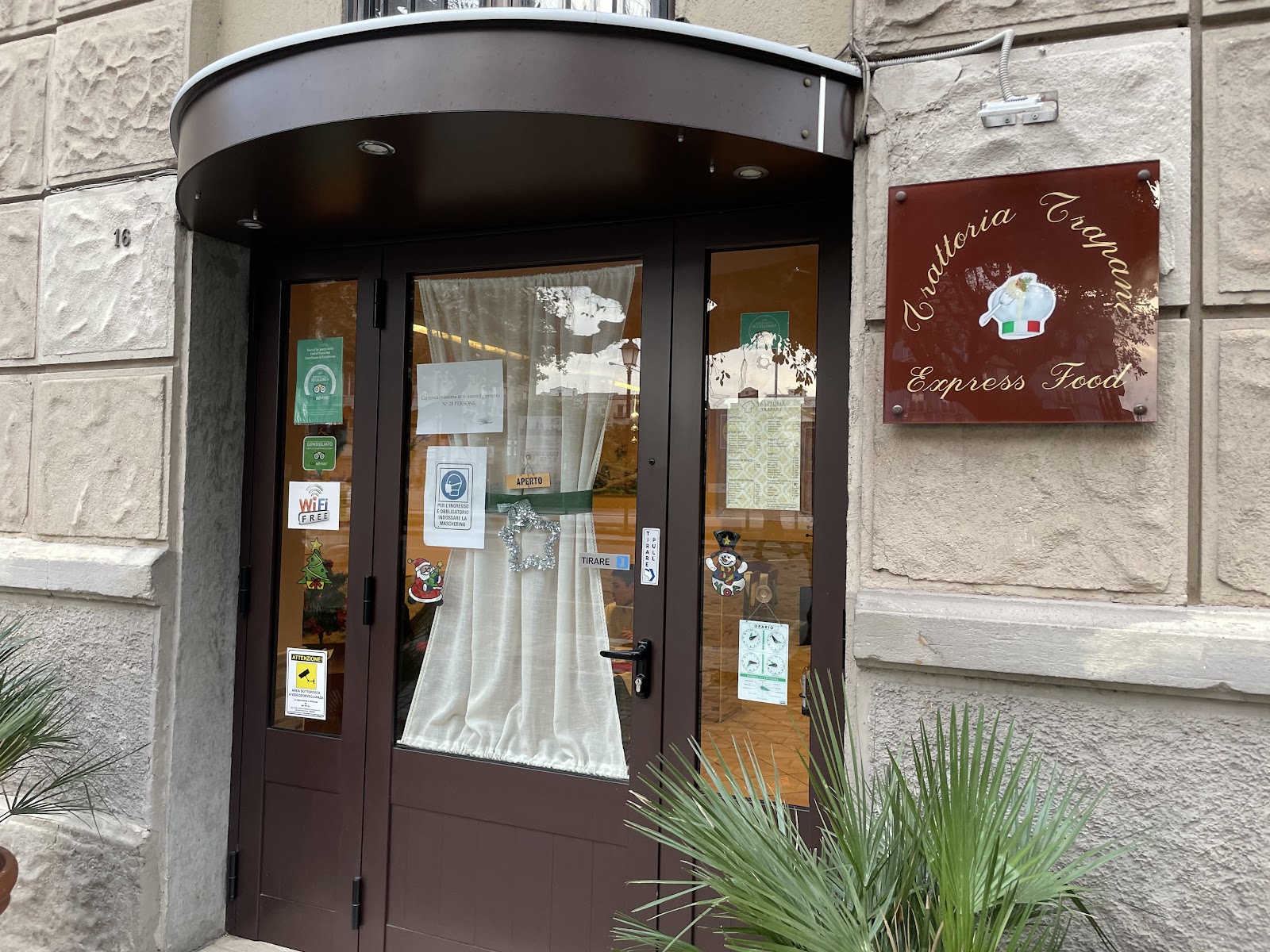
Gamberoni alla griglia or spaghetti alle vongole — the two dishes commuters detour for before or after the train.
That's the shortlist. For the full crawl — fifteen places, the street-food classics explained, and the three markets broken down one by one — see our Palermo food guide.
First time and want to be inside the galleries-and-palazzi quarter? Stay in Kalsa. Want a walkable base near Teatro Massimo and the Quattro Canti? Stay around Via Maqueda or the Cassaro. Prefer Palermo's polished 19th-century boulevard side — and to be steps from our flagship restaurant? Politeama/Libertà.
A boutique hostel with 7 private themed rooms plus dorms (one women-only), steps from Teatro Politeama. Breakfast included.
9.0/10 on Booking — near the Via della Libertà shopping strip and the Politeama theatre.
11 soundproofed rooms marketed as 'a window on Teatro Massimo' — genuinely across the street from the opera house.
9.3/10 on Booking — a historic palazzo conversion inside the Kalsa quarter's gallery-and-palazzo streets.
Self-catering apartments inside the 18th-century palazzo that was Giuseppe Tomasi di Lampedusa's last home — his library and manuscripts are still on site.
See Palermo stays on Booking →
Beyond the markets, this is the shortlist that earns its place:
A Norman-Arab-Gothic-Baroque mashup that somehow works — royal tombs, an 1801 astronomical meridian, and the golden Crown of Constance of Sicily in the treasury.
The royal chapel inside the Norman Palace — Byzantine mosaics and an Islamic muqarnas ceiling in one small, jaw-dropping room. Part of the same UNESCO listing as the Cathedral.
See tickets →Famed for its acoustics — guided tours run even on days with no performance.
See tours →The two quarters that built Palermo's reputation — walk them yourself at any hour, or join a guided food crawl through both.
See food tours →Around 8,000 mummified bodies, including the famously preserved child Rosalia Lombardo. No photography, and not for everyone — but unforgettable.
Book tickets →Palermo's sandy bay resort, reached through La Favorita park — the easy half-day escape from the historic center's stone and heat.
Monreale Cathedral — a 12th-century Norman cathedral with 6,500 m² of gold mosaics — is just up the hill. Cefalù, a beach town with its own Norman cathedral and one of Italy's prettiest old towns, is about 70 km east. Both are easy half-or-full-day trips out of the city.
Monreale day trip →Cefalù day trip →
Falcone–Borsellino airport (Punta Raisi) sits about 35 km from the city center. A train runs direct to Palermo Centrale roughly every 30 minutes, and Prestia e Comandè runs an equivalent bus shuttle if you'd rather go by road. Taxis wait outside arrivals — agree the fare first, and budget 45–60 minutes depending on traffic. Once you're in the historic core, walk: Kalsa, Vucciria, Ballarò, Capo and Quattro Canti all connect on foot, with a free Centro Storico tourist loop bus covering the rest (a 24-hour AMAT ticket runs about €4 if you need the wider bus network).
Wikivoyage flags Palermo driving directly as "quite dangerous as the rules of the road are not followed." Narrow one-way historic-center streets, heavy scooter traffic and chaotic parking make a car more trouble than it's worth inside town — walk or bus centrally, and only rent one for day trips to Cefalù, Segesta or Monreale.
Get an Italy eSIM (Airalo) →Travel insurance (SafetyWing) →
April–June and September–October hit the sweet spot: warm enough for the coast and day trips, markets in full swing, without August's peak heat and cruise crowds. Summer still works for a nightlife-focused trip, since the center stays lively late into the night — just note that some family-run places on our eats list close one day a week or take a summer break, so check before a special trip.
Arancine, panelle, sfincione and the three markets that built Palermo's street-food reputation — wit
Four very different neighborhoods, one clear answer for who each suits — plus the real hostels and h
The Arab-Norman monuments that earned Palermo a UNESCO listing, the markets that built its street-fo
A day-by-day plan that fits the old town, Monreale, the Cathedral, Teatro Massimo and a beach or a C
Spring and early autumn are the sweet spot for a hot-summer Mediterranean city — plus the honest tra
From Falcone–Borsellino airport into the city by train or shuttle bus, why the historic core is a wa
Two to three days covers the historic core — the Cathedral, Quattro Canti, Teatro Massimo, and a proper crawl through Ballarò or Vucciria. Give it four to five if you want to add Mondello beach and a day trip to Monreale or Cefalù.
Spring (April–June) and early autumn (September–October) — warm enough for the coast and day trips, markets in full swing, without August's peak heat. Summer still works well for a nightlife-focused trip, since the center stays lively late into the night; just check opening days, since some family-run kitchens close one day a week or take a summer break.
No — and we'd avoid one inside the city. The historic core is compact and walkable, and Palermo driving has a real reputation for chaos: narrow one-way streets, heavy scooter traffic and rules that aren't always followed. Rent a car only for day trips outside town, to Cefalù, Segesta or Monreale.
Land already connected with an eSIM instead of hunting for a SIM at the airport, and don't travel uninsured — one medical bill abroad costs many times the premium.