Palermo doesn't really have a fine-dining scene so much as it has the best street food in Italy — sold from carts and market stalls that have barely changed their recipes in a century — plus a handful of proper kitchens worth sitting down for. This is where to eat both.
What to eat: the Palermo street-food classics
Eight dishes to build a trip around. All of them are cheap, and all of them are best eaten standing up.
- Arancine — fried, breaded rice balls in Palermo's cone shape, filled with ragù, peas and caciocavallo, or simply ham and cheese. Try them at Antonello Street Food or Il Rosticciere, both €1.50 a piece.
- Pane e panelle — a soft roll stuffed with fried chickpea-flour fritters, Palermo's original fast food. Friggitoria Chiluzzo has been frying them on Piazza della Kalsa since 1943.
- Sfincione — thick, spongy focaccia-pizza topped with tomato, onion, anchovy, breadcrumbs and caciocavallo, deliberately no mozzarella. Villena sells it for €7, right on the Quattro Canti.
- Pani ca meusa — the spleen sandwich: boiled-then-fried veal spleen and lung in a soft vastedda roll, served 'schettu' (plain, with lemon) or 'maritata' (with ricotta and caciocavallo). Look for the steel steam-carts around Vucciria and Ballarò.
- Cannoli — fried pastry tubes filled with sweetened ricotta, finished with candied fruit, pistachio or chocolate chips. Best bought fresh-filled, not pre-made, from any of the historic pasticcerie near the markets.
- Granita con brioche — semi-frozen almond, lemon, pistachio or coffee granita eaten with a soft brioche col tuppo bun. The classic Sicilian breakfast — every neighborhood has a bar locals swear is the best.
- Sarde a beccafico — sardines butterflied and stuffed with breadcrumbs, pine nuts and raisins, rolled and baked. On the menu at most traditional trattorie.
- Pasta con le sarde — bucatini with sardines, wild fennel, pine nuts, raisins and toasted breadcrumbs, Palermo's signature primo, and worth ordering wherever you see it chalked on a board.
The three markets, explained
Ballarò
The city's biggest and most authentically local daily market, running through the Albergheria quarter Monday to Saturday, roughly 07:00–20:00. Less touristy and more chaotic than Vucciria, thick with street-food stalls and the everyday grocery trade — this is where Sicily Street Food and Antonello Street Food both sit.
Vucciria
Palermo's most storied market, centered on Piazza San Domenico and Piazza Garraffello. By day it's a fading, half-working fish and produce market with real atmosphere; by night the same alleys turn into an open-air street-food-and-drinks scene, with DJ sets hitting Piazza Garraffello on Fridays. Go once in daylight, once after dark — they're almost different places.
Capo
A tight market-street quarter behind the Cathedral, centered on Via Sant'Agostino. Quieter and more residential than Ballarò or Vucciria, but still a genuinely working daily produce-and-fish market — and home to Trattoria da Pino, tucked inside the market grid itself.
A guided street-food walking tour through Ballarò and Vucciria is an easy way to taste six or seven things in two hours without gambling on which stall is good today.
Friggitoria, trattoria, osteria — what's the difference?
| Type | What it means | Try |
|---|---|---|
| Friggitoria | A fry shop — pane e panelle, arancine, crocchè — sold by the piece, eaten standing up | Friggitoria Chiluzzo, Mamma Lina |
| Street cart | No seating at all — arancine, panelle or pani ca meusa fried or boiled to order | Antonello Street Food, Il Rosticciere |
| Trattoria | Casual, family-run, sit-down cooking — a spoken or printed menu, no white tablecloths | Trattoria Al Sorriso, Trattoria Trapani, Trattoria da Pino |
| Osteria | A step up — more considered cooking, sometimes a proper wine list | Osteria Mercede, La Lapa |
| Rosticceria | Roast-and-fry counter food built around one or two signature items | Il Rosticciere |
None of these are fine dining, and that's the point — Palermo's best food has always been cooked fast, sold cheap and eaten standing up.
15 places worth going out of your way for
Ranked, starting with our flagship. Every one of these is real — we've eaten the menus, not just the reviews.
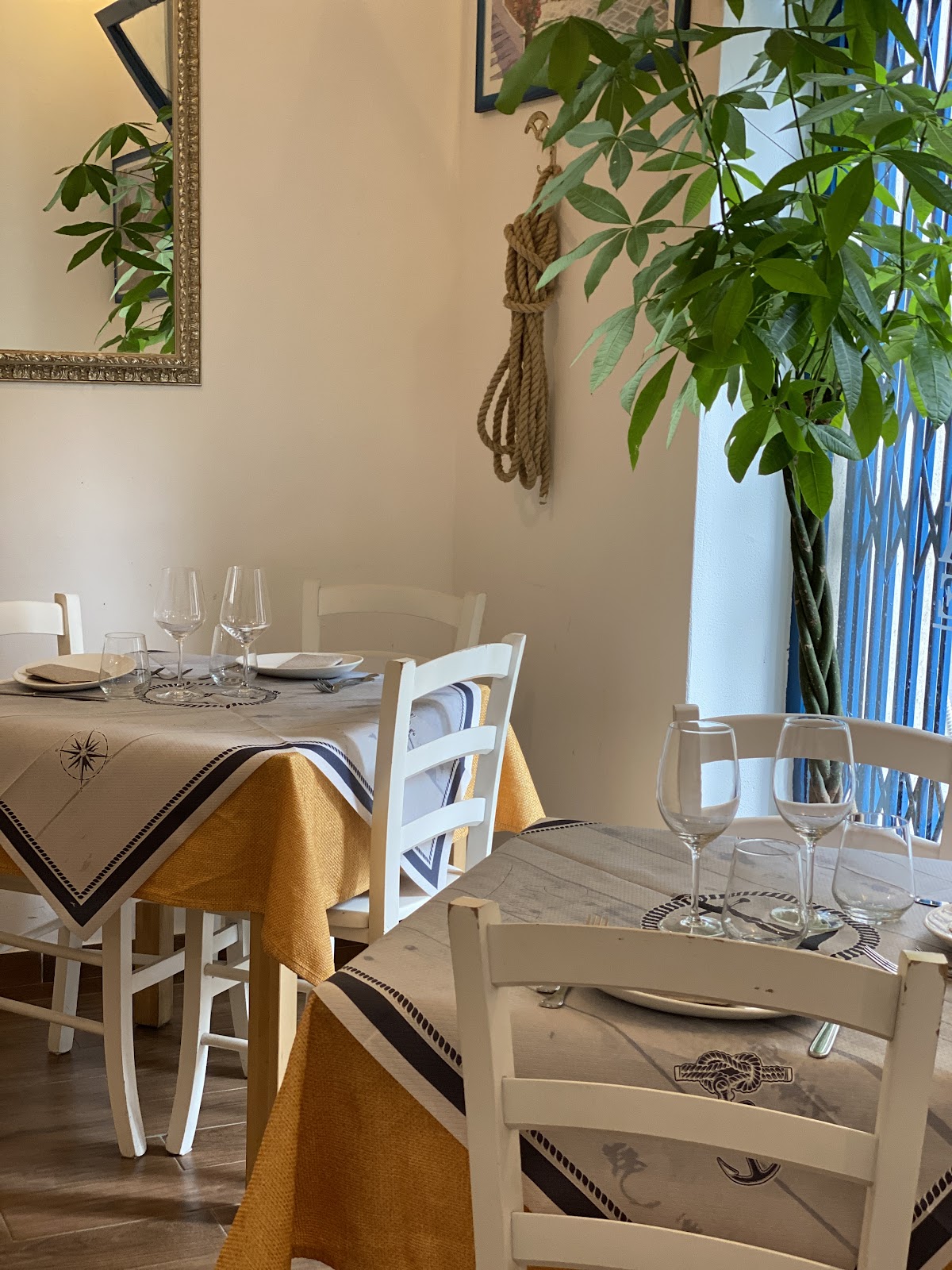
Osteria Mercede
Our flagship: a Michelin Guide-listed osteria di mare with a chalkboard-only menu. Order the Crudo Mercede raw platter (prawns, scampi, tuna and swordfish) or whatever guazzetto the kitchen built around the morning catch.
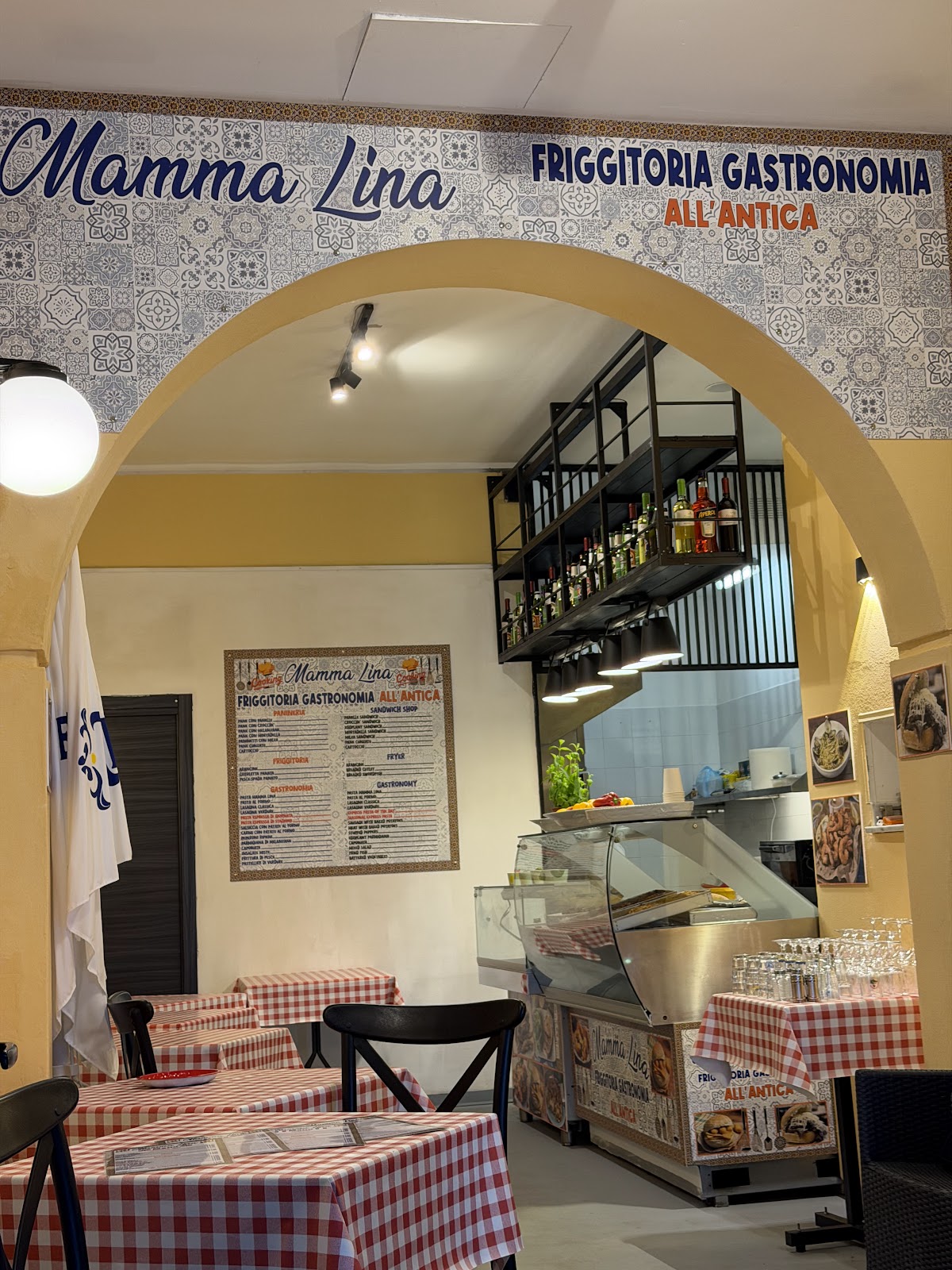
Mamma Lina
An old-school friggitoria e gastronomia run by chef Rita. No printed prices — just ask what's frying off the handwritten bilingual board.
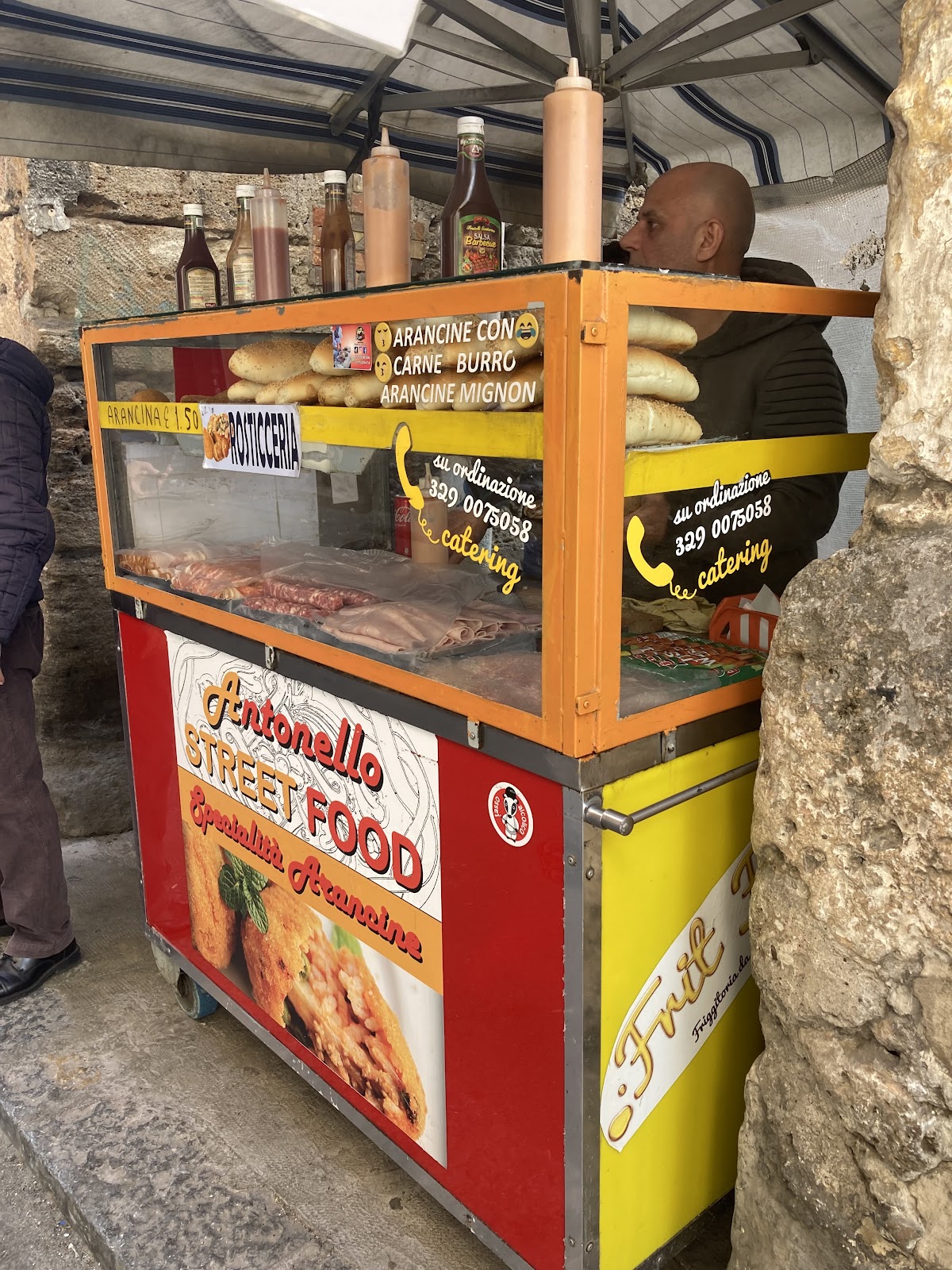
Antonello Street Food – Arancine
A street cart doing arancine con carne or con burro at €1.50, fried to order. The 'mignon' minis let you taste two fillings in one stop.
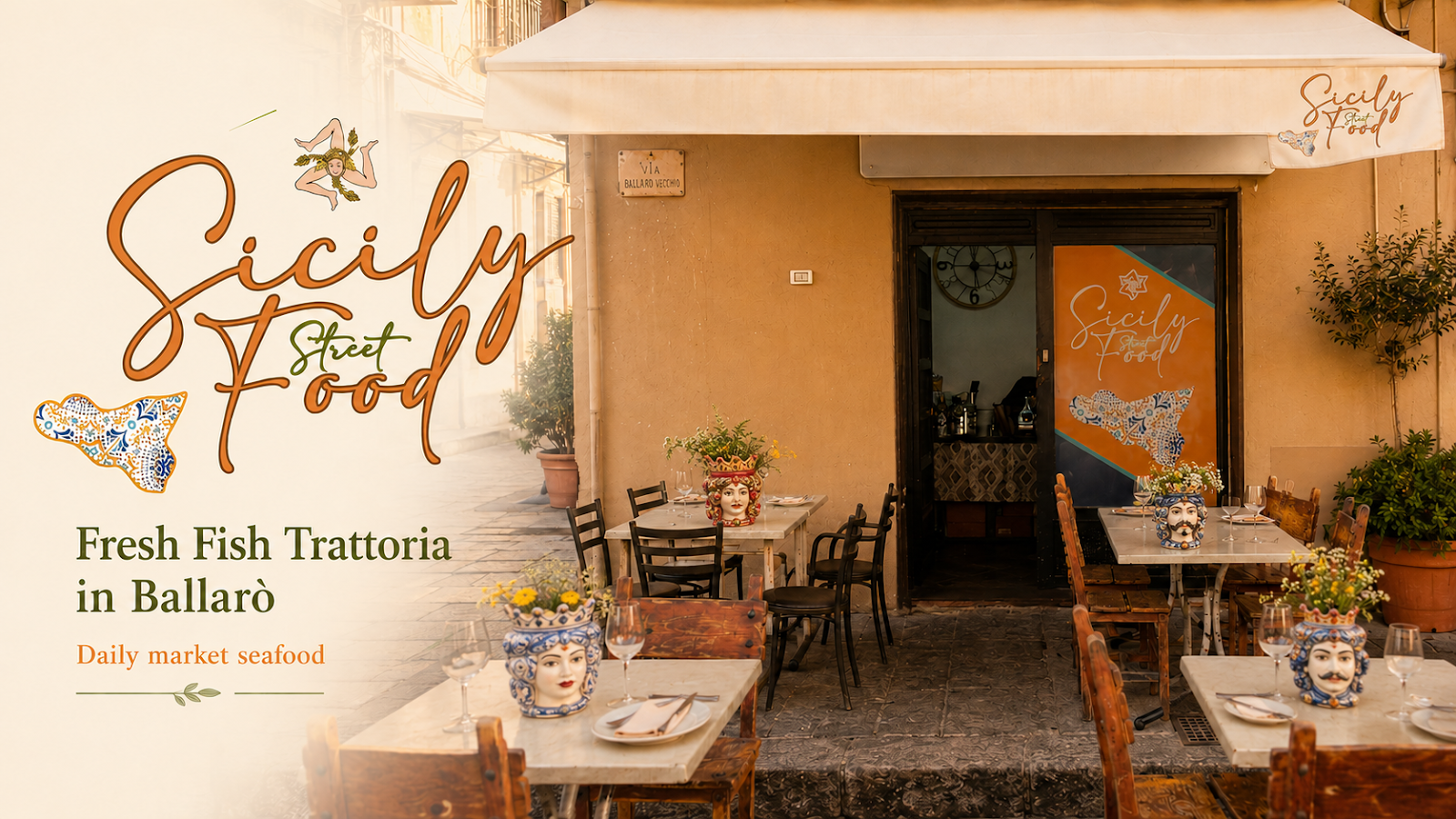
Sicily Street Food
A genuine seafood trattoria inside the market. The pasta con le cozze (€14) is the house special; the frittura del giorno covers the rest of the catch.
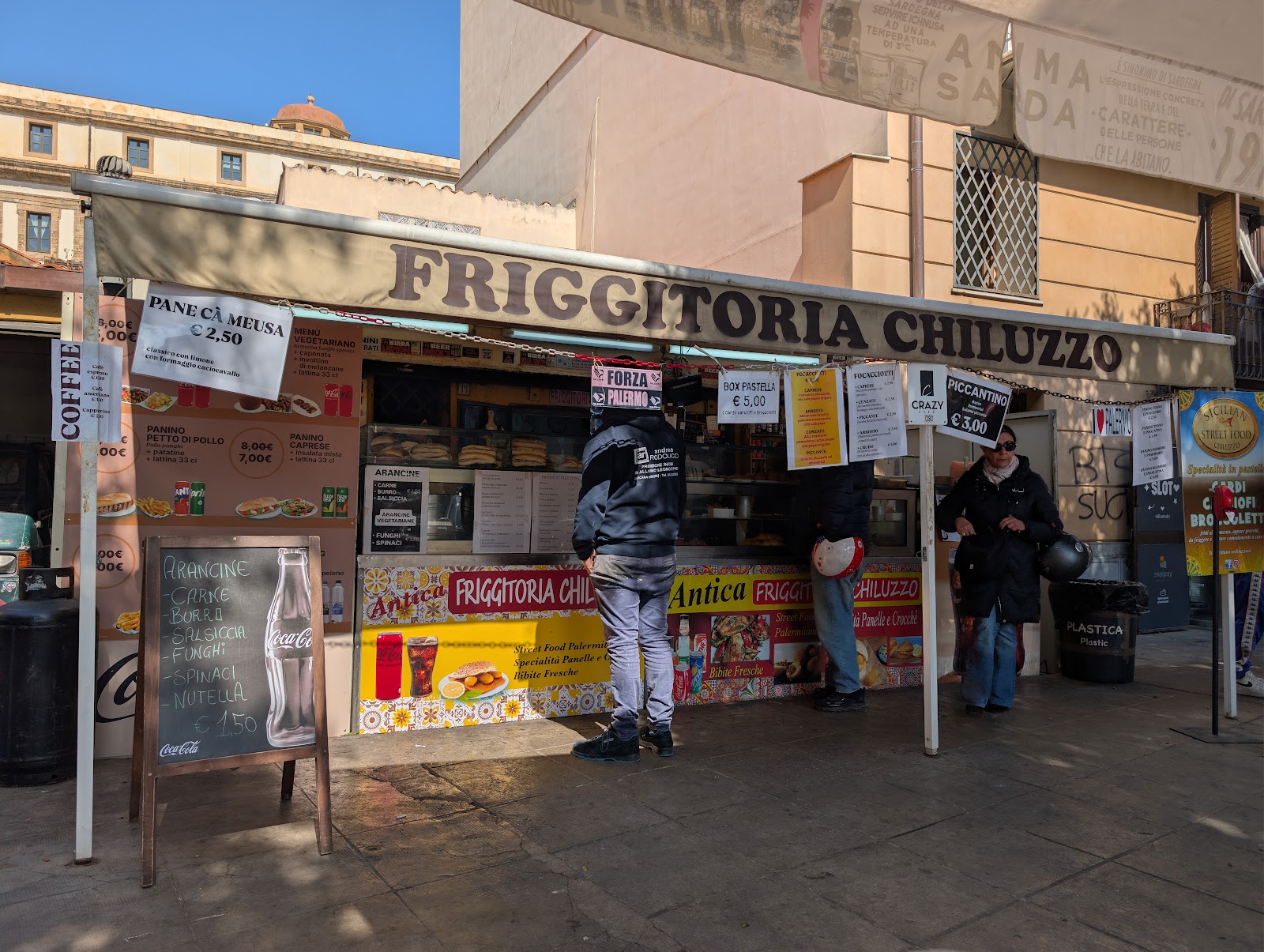
Friggitoria Chiluzzo
Frying pane e panelle since 1943. The whole board runs €1.50 panelle up to a €3 porchetta panino.
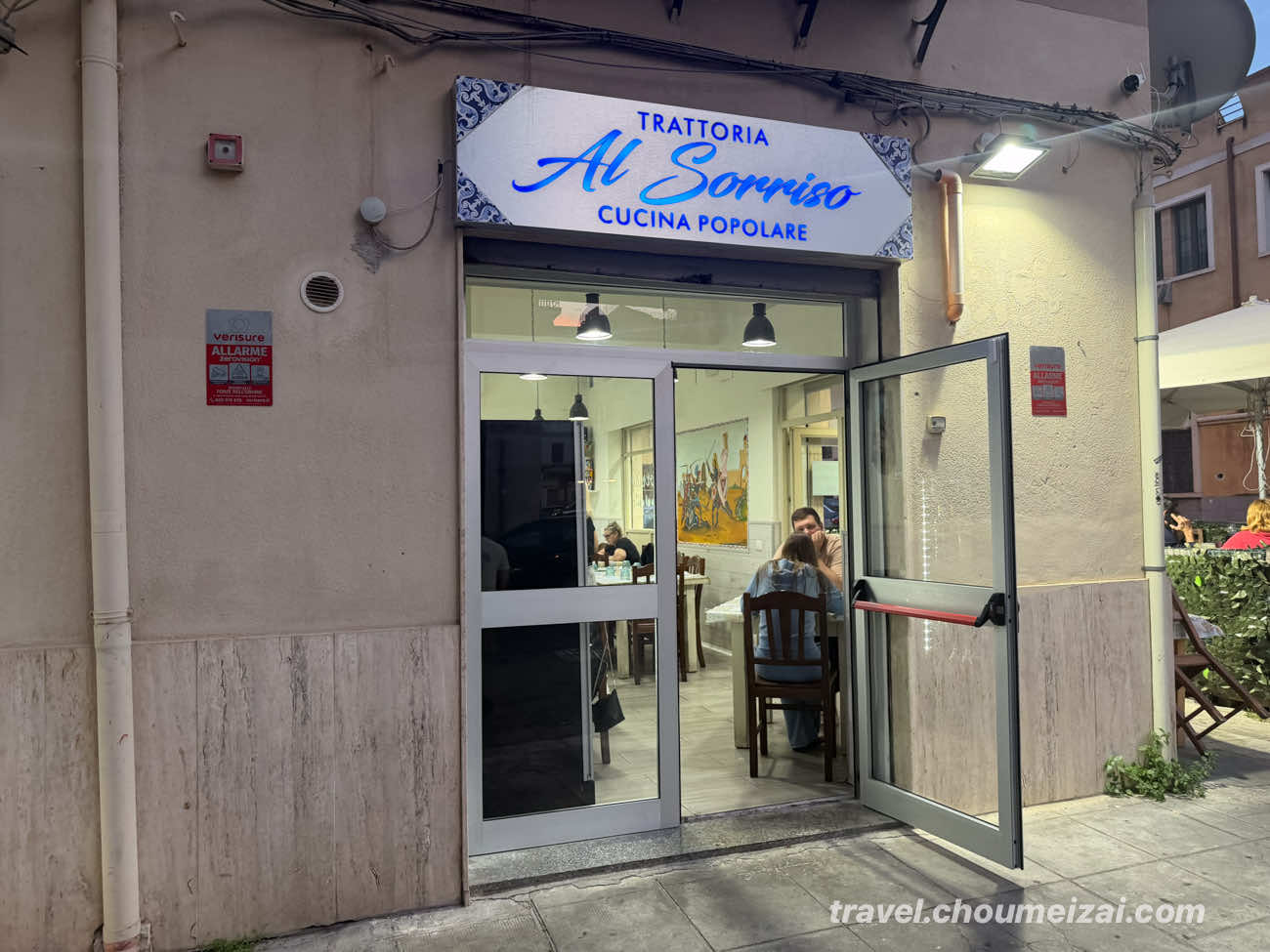
Trattoria Al Sorriso
Window-menu classics: grilled calamaro (€9) or the caponata starter (€3), at prices that still feel like a market canteen.
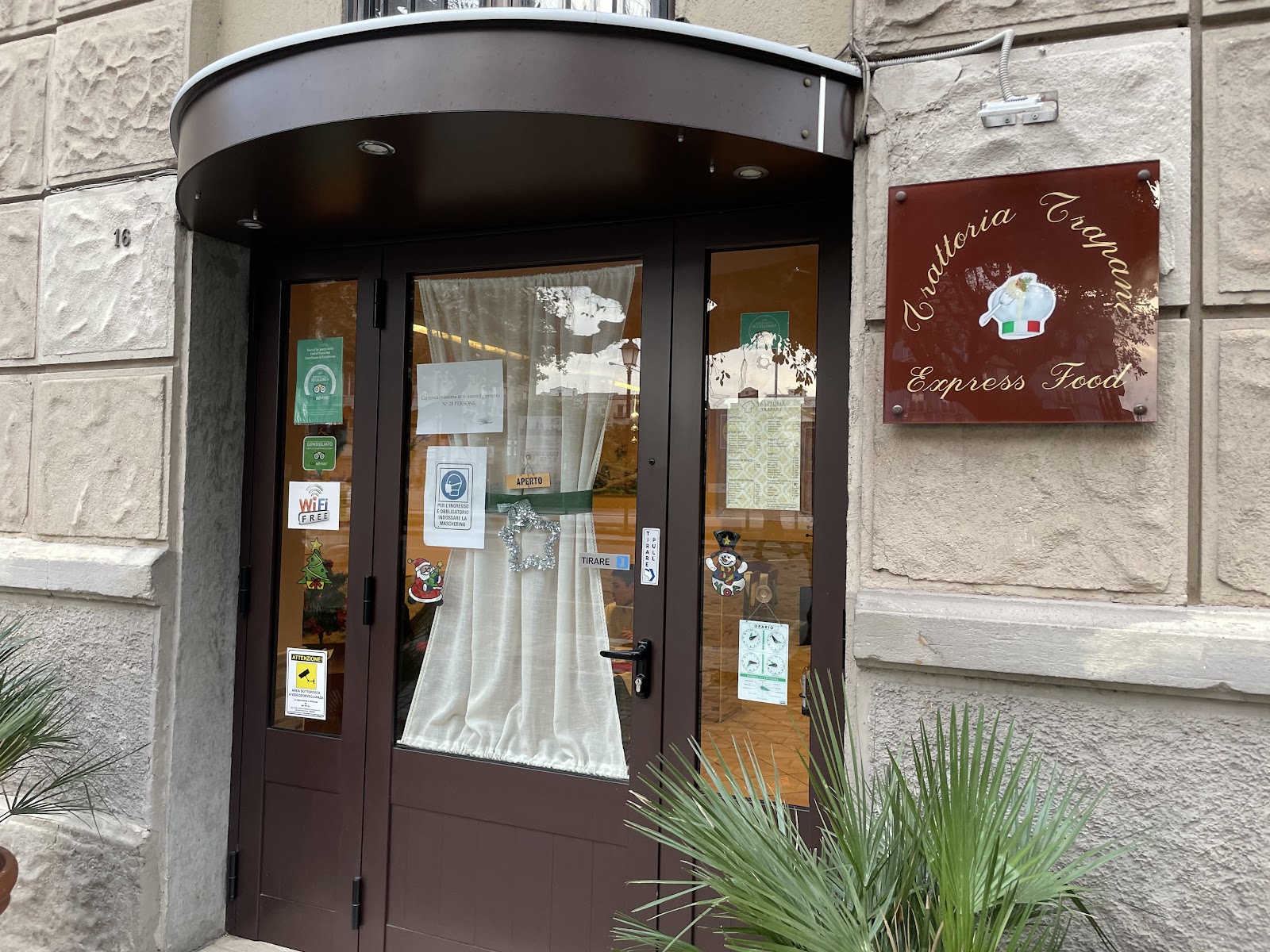
Trattoria Trapani
Gamberoni alla griglia or spaghetti alle vongole — the two dishes commuters detour for before or after the train.
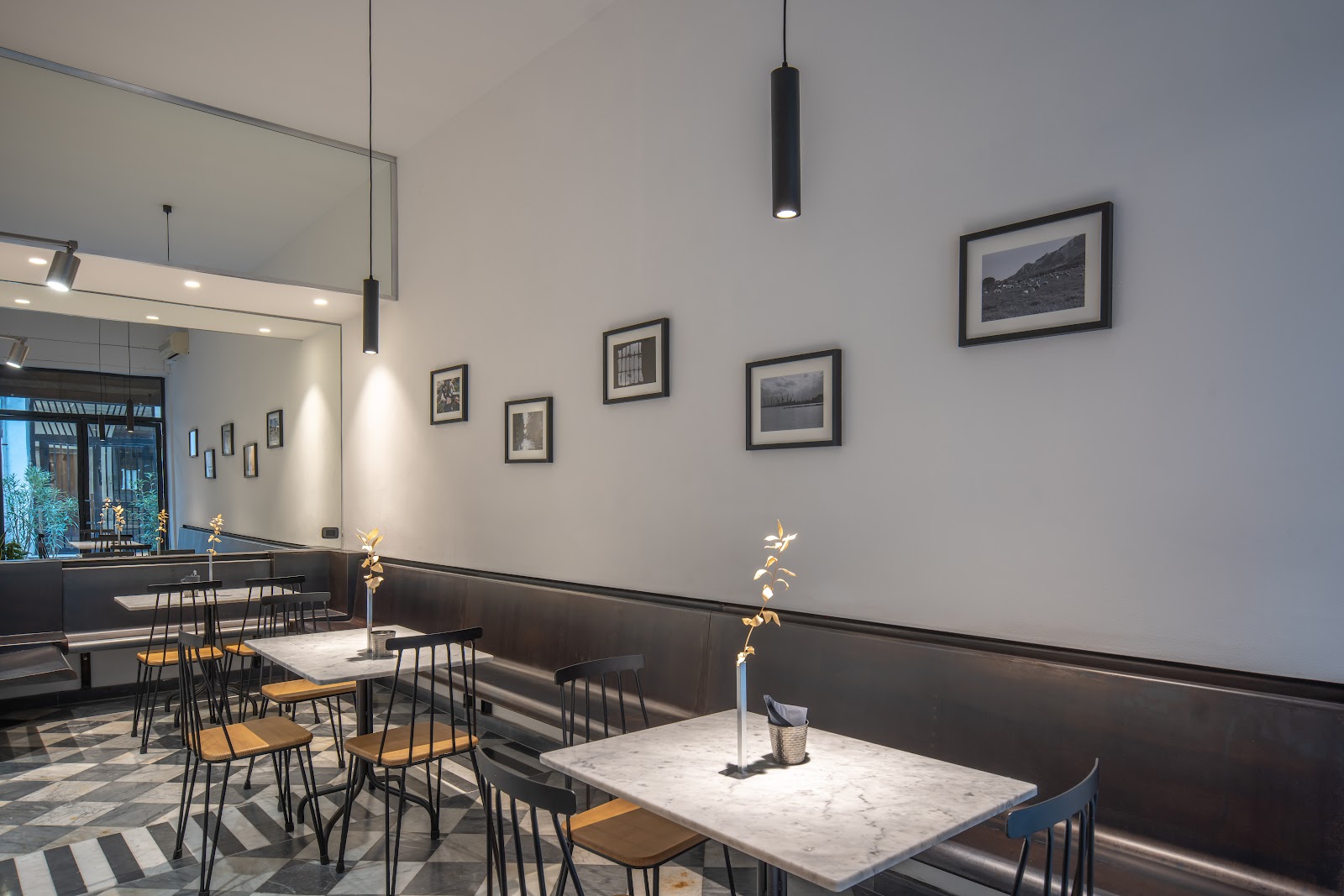
Cartari Locanda
Daily blackboard pasta paired with an actual wine list — Cerasuolo from €25 up to Franciacorta at €45.
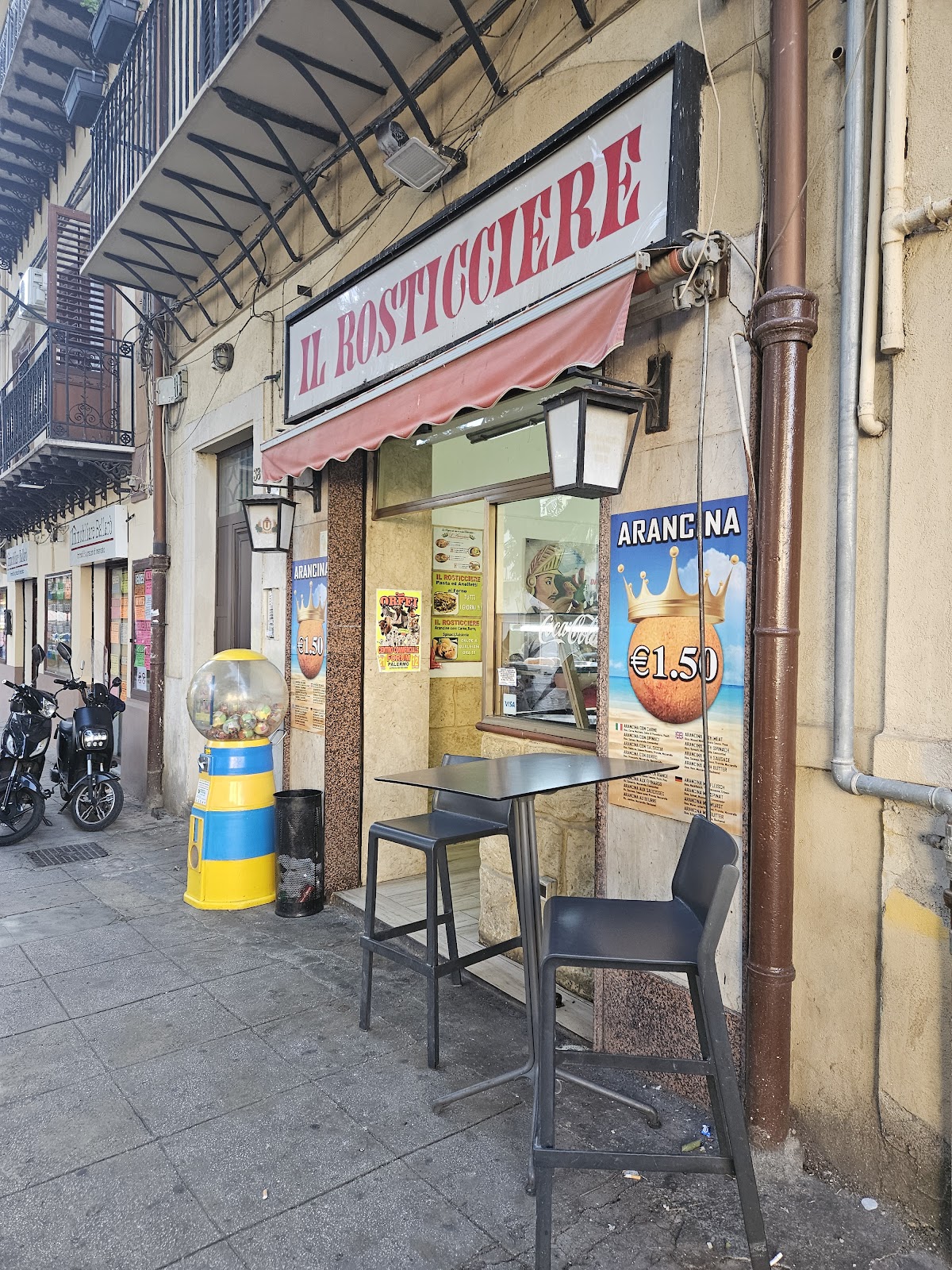
Il Rosticciere
The giant €1.50 arancina is the whole point: four real fillings chalked on the board, eaten standing at the counter.
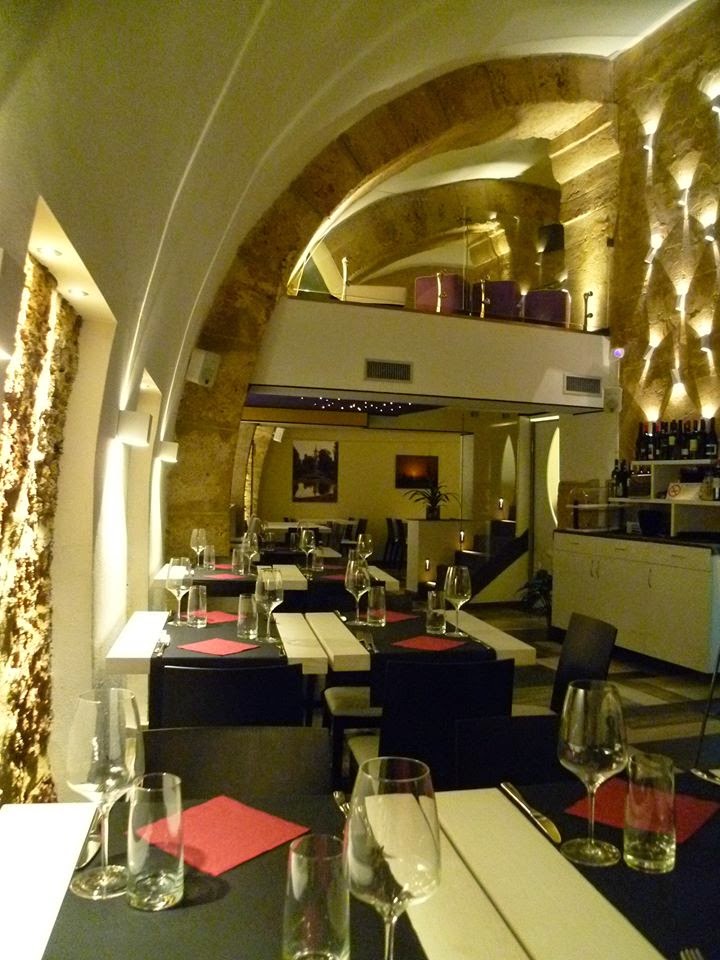
Carizzi d'amuri
Order the 'Acquario,' their boxed €27 signature seafood platter. Three-brothers-run, dinner only.
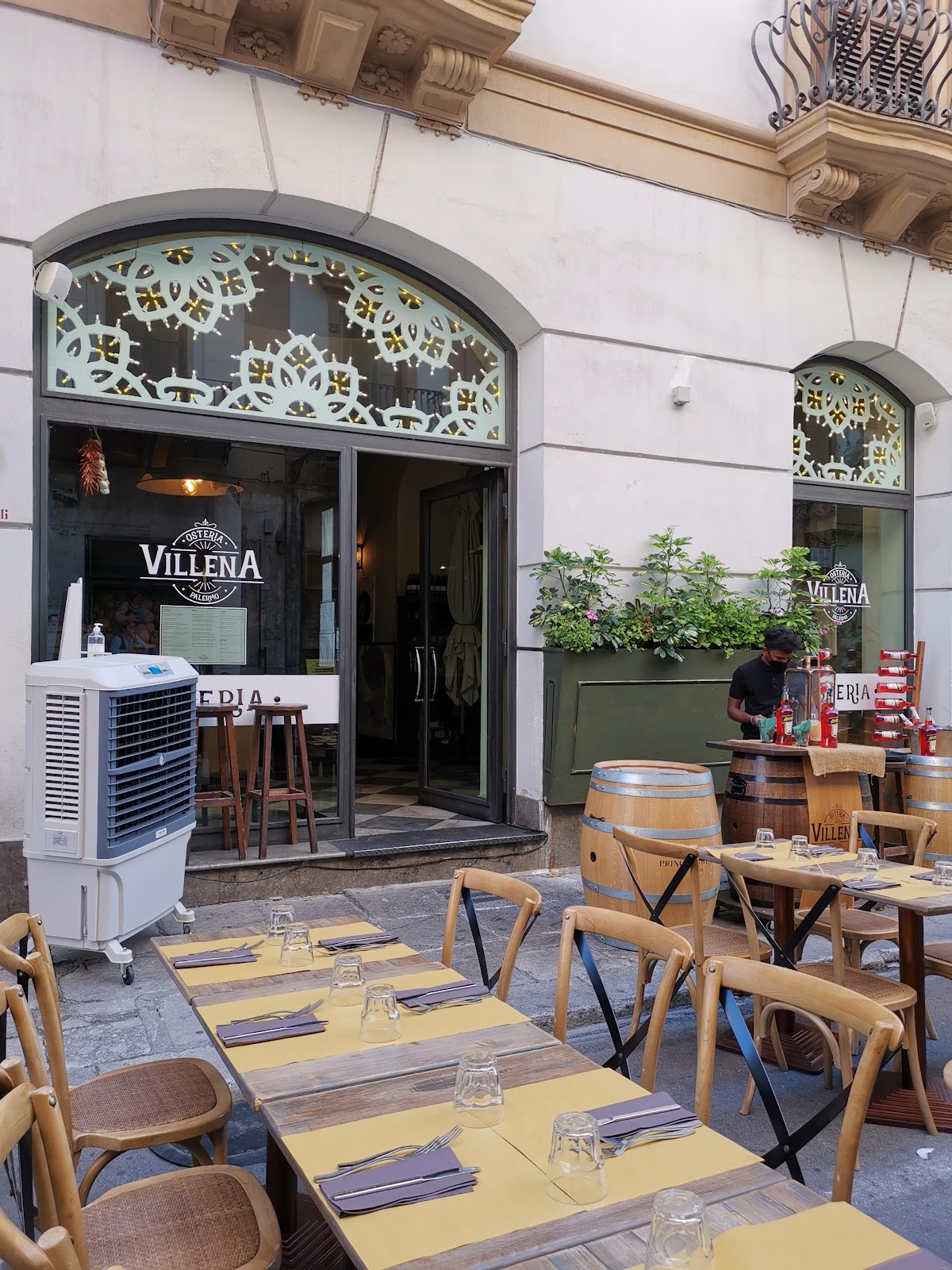
Villena
Sfincione (€7) right on Palermo's most famous crossroads, or a €9–12 spritz if you just want to watch the piazza.
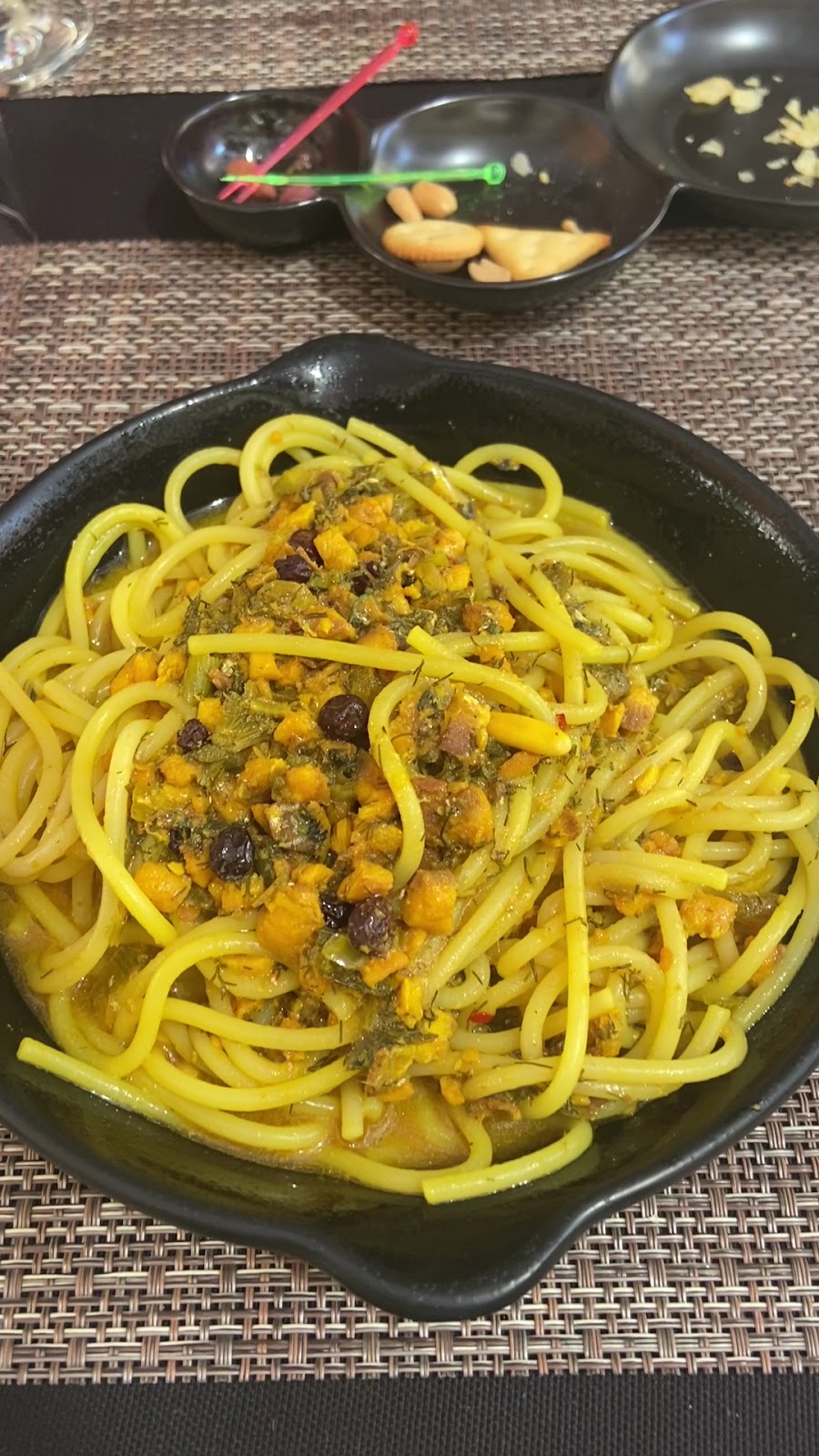
Odori e Sapori al Vecchio Monte
A 'terra e mare' board that swings from a €25 piatto di mare to oysters at €3 each.
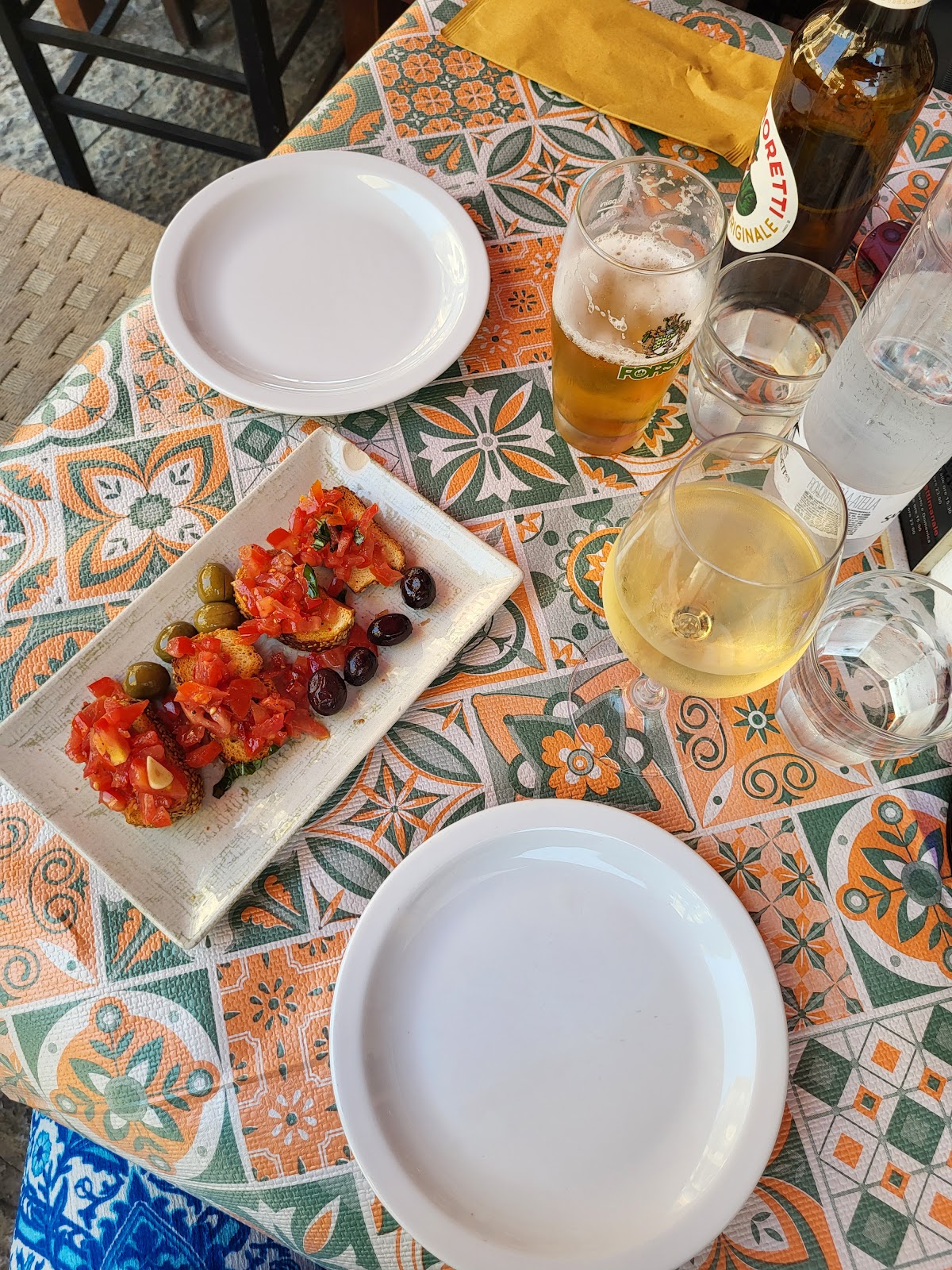
No zu Totó e niputi
Impepata di cozze (peppered mussels) and wine by the litre (€2.50–8) — a late-kitchen, night-market kind of place. Closed Tuesdays.
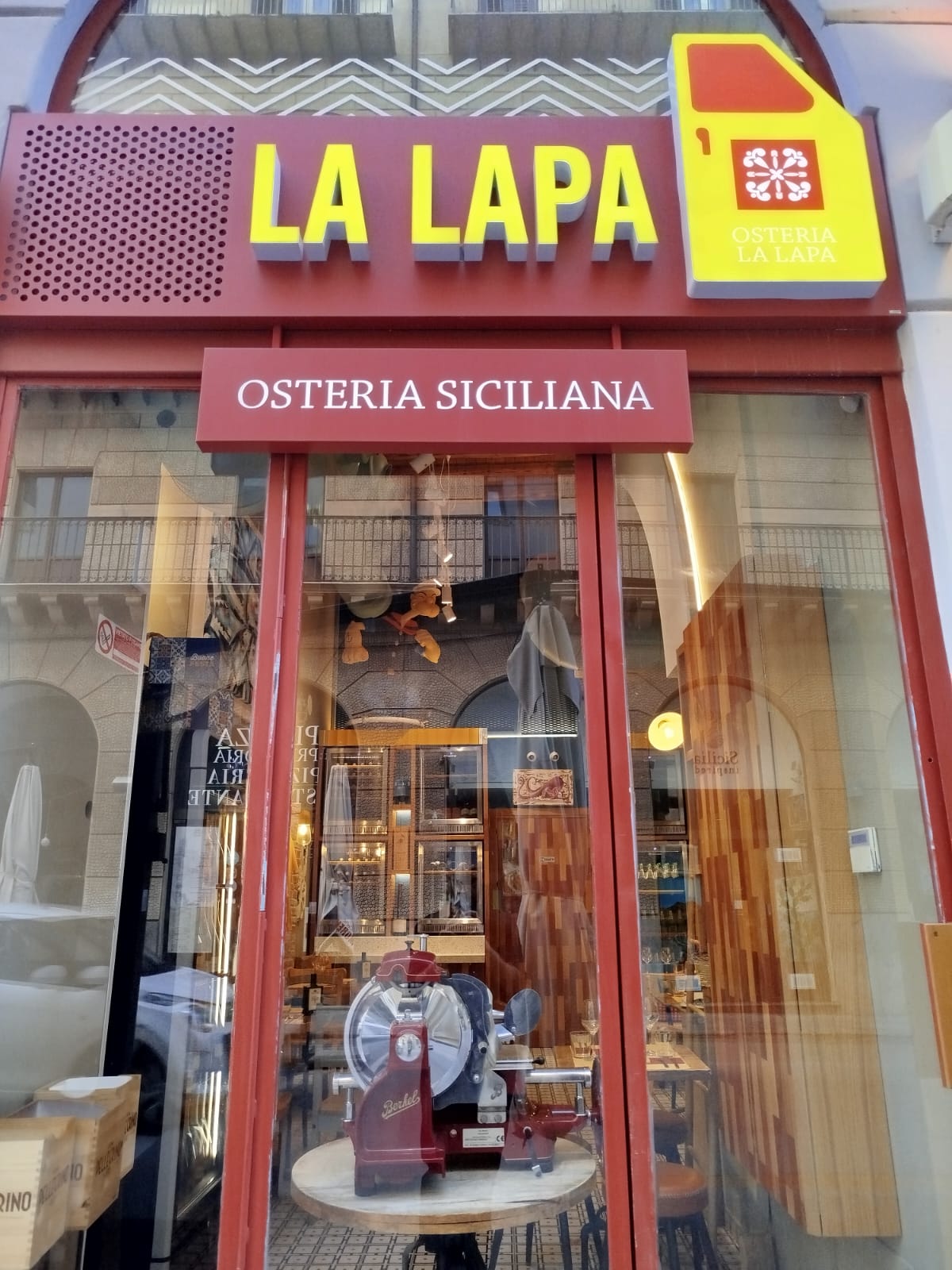
La Lapa – Osteria Siciliana
Pittinicchi cu sucu or slow-cooked crastagnieddu (goat) — Slow-Food-level cooking, not a budget stop (€18–28).
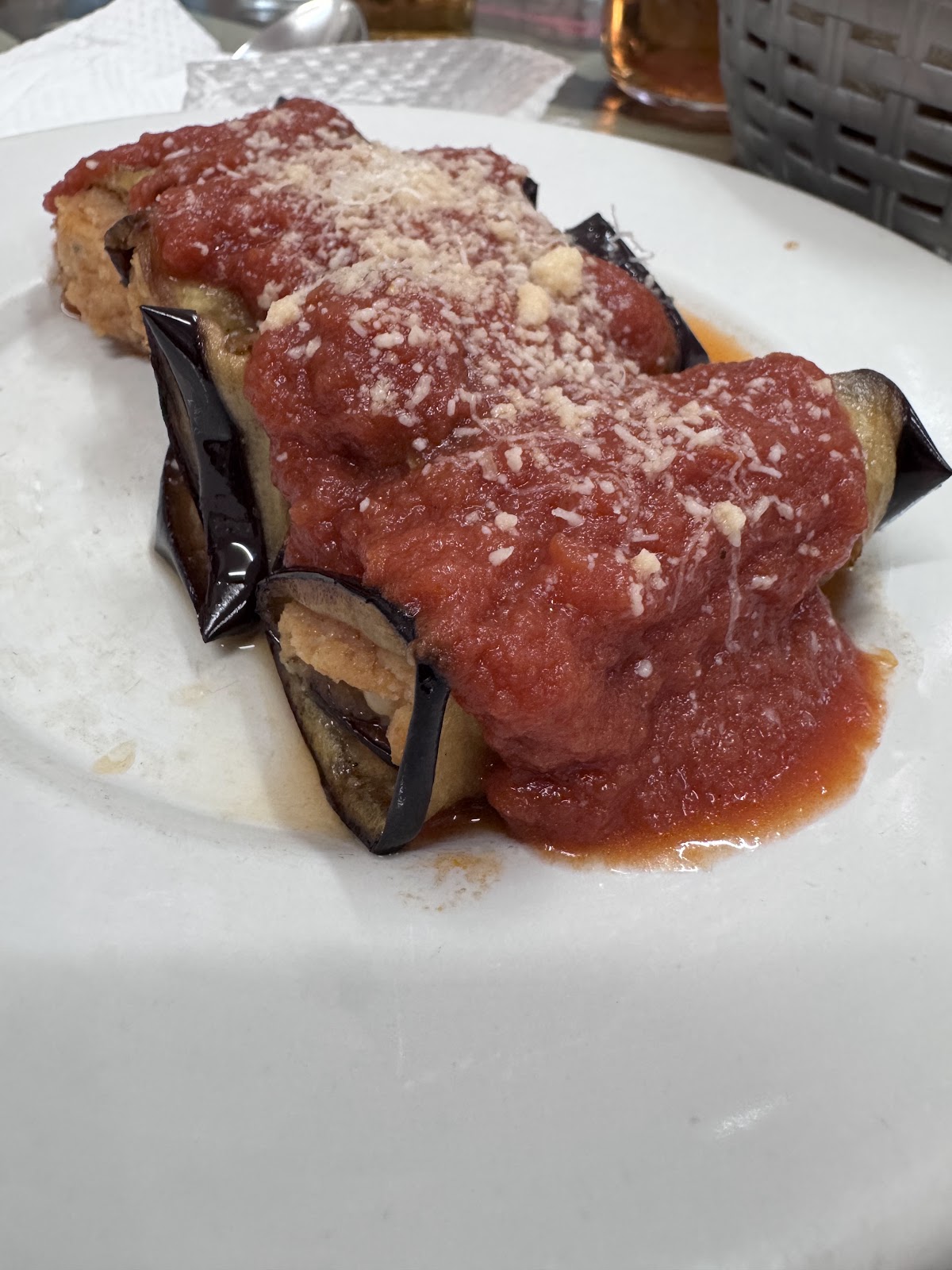
Trattoria da Pino
Lunch-only 'Pranzo Operaio' (workers' lunch) with real bacheca pricing — primi €3–5, agnello €10. A time capsule that's been in print dining guides since 2004/05.
Most friggitorie and market stalls are cash-only, and family-run kitchens keep their own schedule — Carizzi d'amuri and No zu Totó both close Tuesdays, and August often means a summer break. Check opening hours or Instagram before a special trip, especially outside peak season.
Frequently asked questions
What is Palermo's most famous street food?
Arancine — fried, breaded rice balls usually filled with ragù, peas and caciocavallo — are the dish most associated with the city, but pane e panelle (chickpea fritters in a bread roll) and sfincione (Palermo's thick tomato-and-onion focaccia-pizza) are just as essential.
What is pani ca meusa?
Palermo's famous spleen sandwich — boiled-then-fried veal spleen and lung in a soft vastedda roll, served either 'schettu' (plain, with lemon) or 'maritata' (with ricotta and caciocavallo). It's sold from steel carts around the historic markets, and it's about as Palermo as food gets.
Ballarò or Vucciria — which market should I visit?
Go to Ballarò by day for the biggest, most authentic working market — it runs Monday to Saturday and is thick with street-food stalls. Go to Vucciria in the evening, especially Friday, when the same fading fish-market alleys turn into an open-air food-and-drinks scene. Ideally, do both.
Land already connected with an eSIM instead of hunting for a SIM at the airport, and don't travel uninsured — one medical bill abroad costs many times the premium.