Northern Thailand
Chiang Mai
Northern Thailand's slow, green, temple-strewn capital — and a genuine food city. Where to stay by neighborhood, what to eat, and how to actually get here.
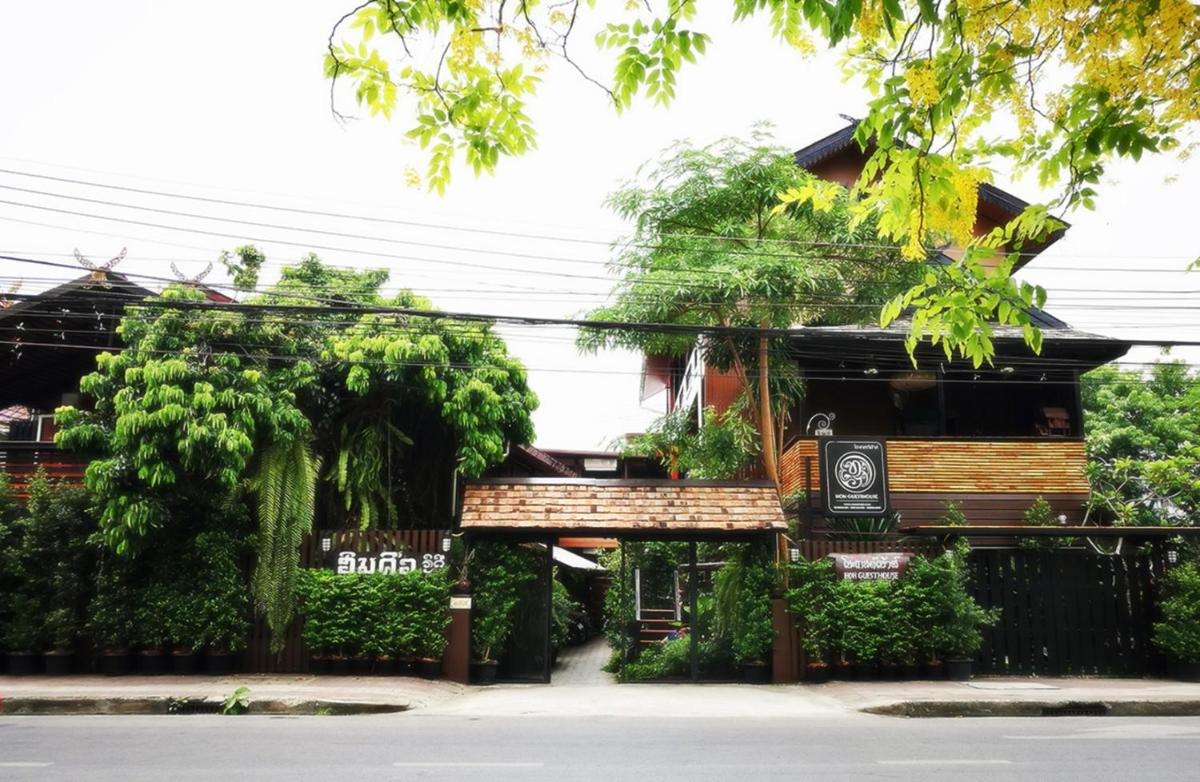 Photographed on the ground · Chiang Mai
Northern Thailand's slow, green, temple-strewn capital — and a genuine food city. Where to stay by neighborhood, what to eat, and how to actually get here.
Photographed on the ground · Chiang Mai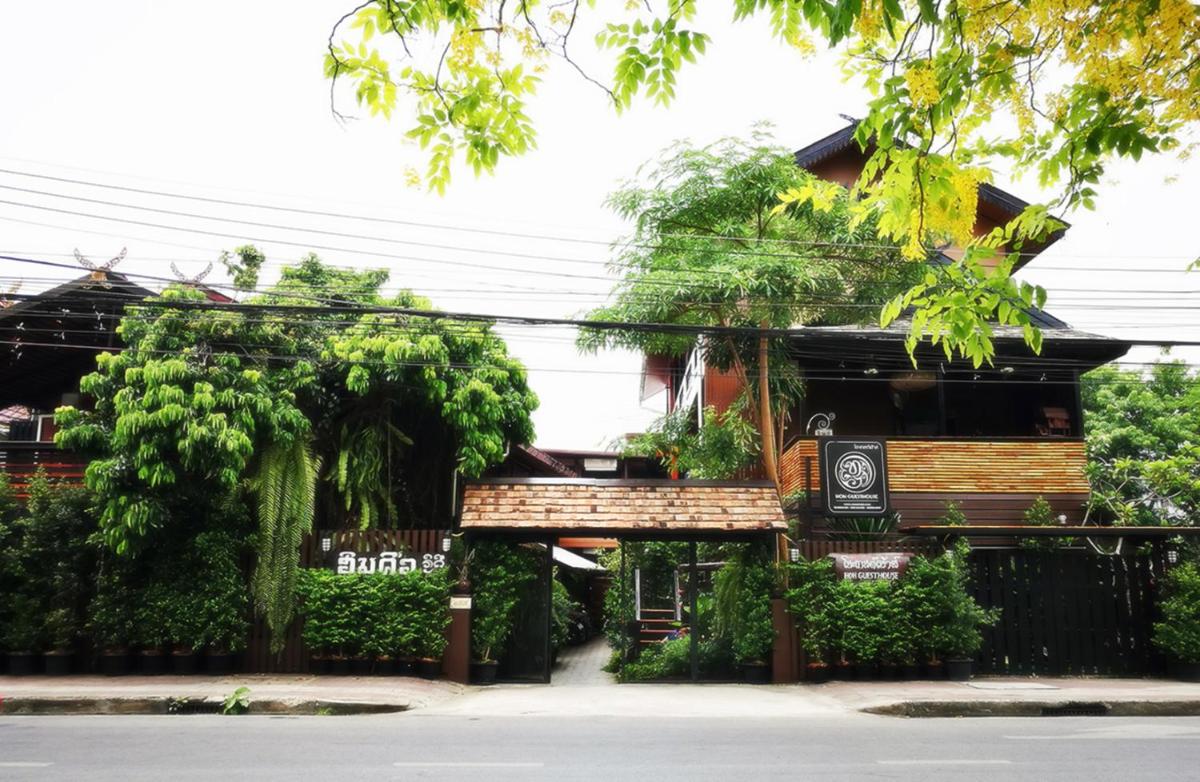
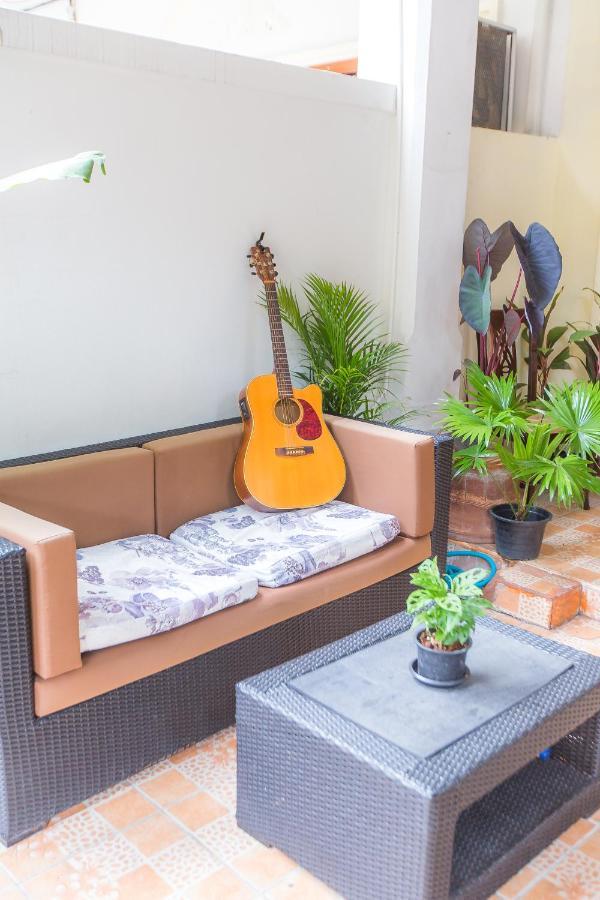
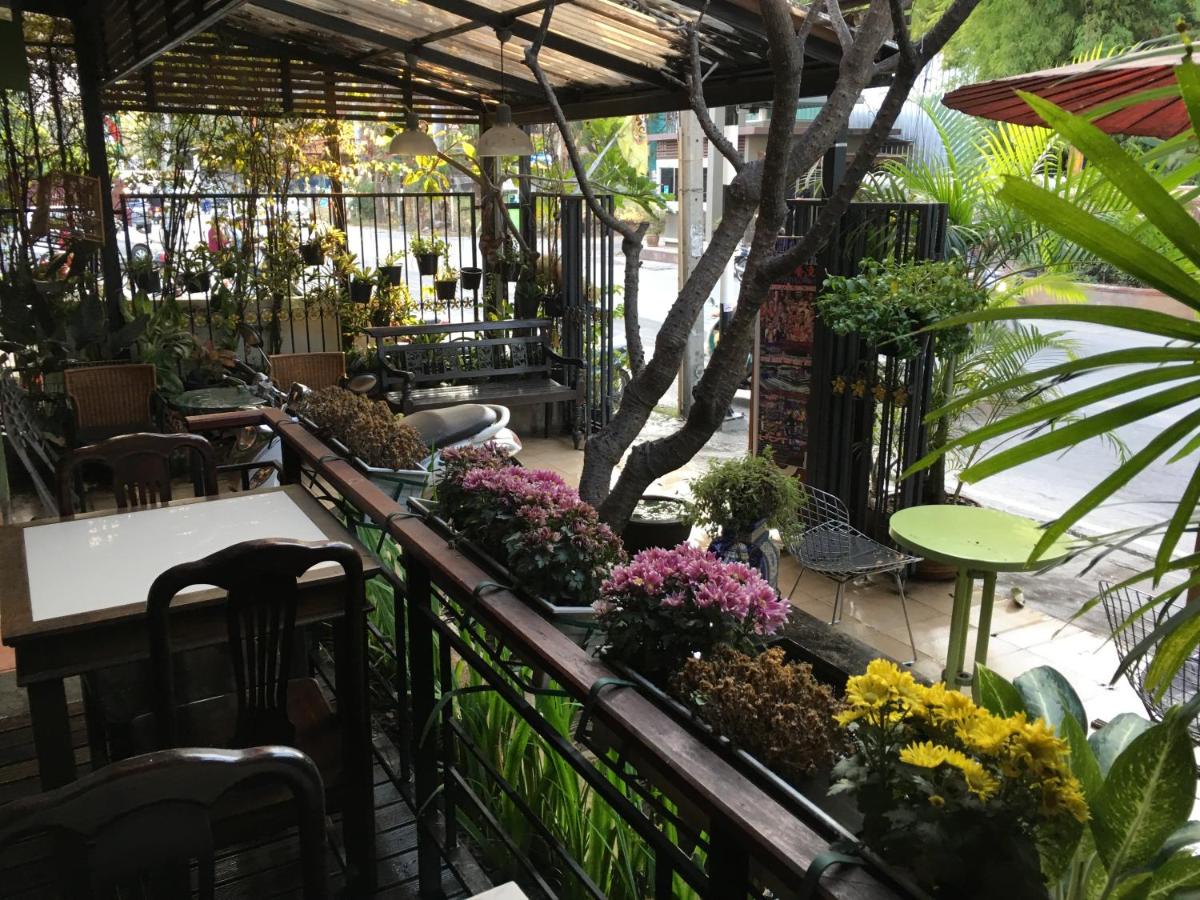

Chiang Mai is the rare city that rewards slowing down. Three hundred temples, a walkable old town inside a 700-year-old moat, jungle and waterfalls half an hour away, and — this is the part people underrate — some of the best food in Thailand.
This is our full guide: where to sleep by neighborhood, what to actually eat, how to get here from Bangkok, and the practical stuff (scooters, SIM cards, air quality) nobody warns you about until you're already there. Start with whichever guide below matches what you're planning.
First time and want to walk to temples? Stay in the Old City. Here to work, café-hop and go out? Nimman. Honeymoon or quiet river evenings? Riverside. Long stay on a budget? Santitham. Full breakdown, with specific hostels and hotels, in the stays guide.
See Chiang Mai stays on Booking →
From roughly late February to early April, farmers burn fields across the north and Chiang Mai's air quality can get genuinely bad (AQI 150–300+ at the March peak). It's not just haze — it's a real reason to pick different dates if you can. November to February is the sweet spot: cool, clear, and festival season.
Everything below goes deep on one thing each. The food guide alone is worth the trip.
The four neighborhoods that matter, and the hostels and hotels worth booking in each — from $5 dorms
Khao soi, night markets, and the Northern Thai dishes you can't get anywhere else — with the specifi
The temples that are actually worth it, an ethical elephant day, waterfalls you can climb, and the e
Overnight sleeper train, VIP bus or a one-hour flight — the honest pros, cons and prices of each, an
Real rental shops we checked on the ground, honest monthly prices, and how to rent without getting s
Where to live, work and café-hop in one of the world's original remote-work hubs — plus SIMs, insura
Three to four days covers the old city, one nature or elephant day trip, and enough time to eat well. A week is better if you want to slow down, take a cooking class, or use it as a base — which is exactly what most people end up doing.
November to February — cool, dry and clear, with the Yi Peng lantern festival in November. Avoid late February to early April, which is agricultural 'burning season' when air quality drops sharply. The green season (June–October) is lush, cheap and only rains in bursts.
It's one of the original nomad hubs — cheap, friendly, fast wifi, a huge café and coworking scene centred on the Nimman neighborhood. See our digital nomad guide.
Not in the old city, which is walkable. But a scooter unlocks the temples, cafés and waterfalls in the hills. If you're not confident on two wheels, Grab and Bolt work well. Our scooter guide lists verified rental shops and monthly prices.
Land already connected with an eSIM instead of hunting for a SIM at the airport, and don't travel uninsured — one medical bill abroad costs many times the premium.