Lebanon
Beirut
Loud, warm, and one of the great eating cities of the Mediterranean. The neighborhoods, the tables worth crossing town for, and how to visit thoughtfully.
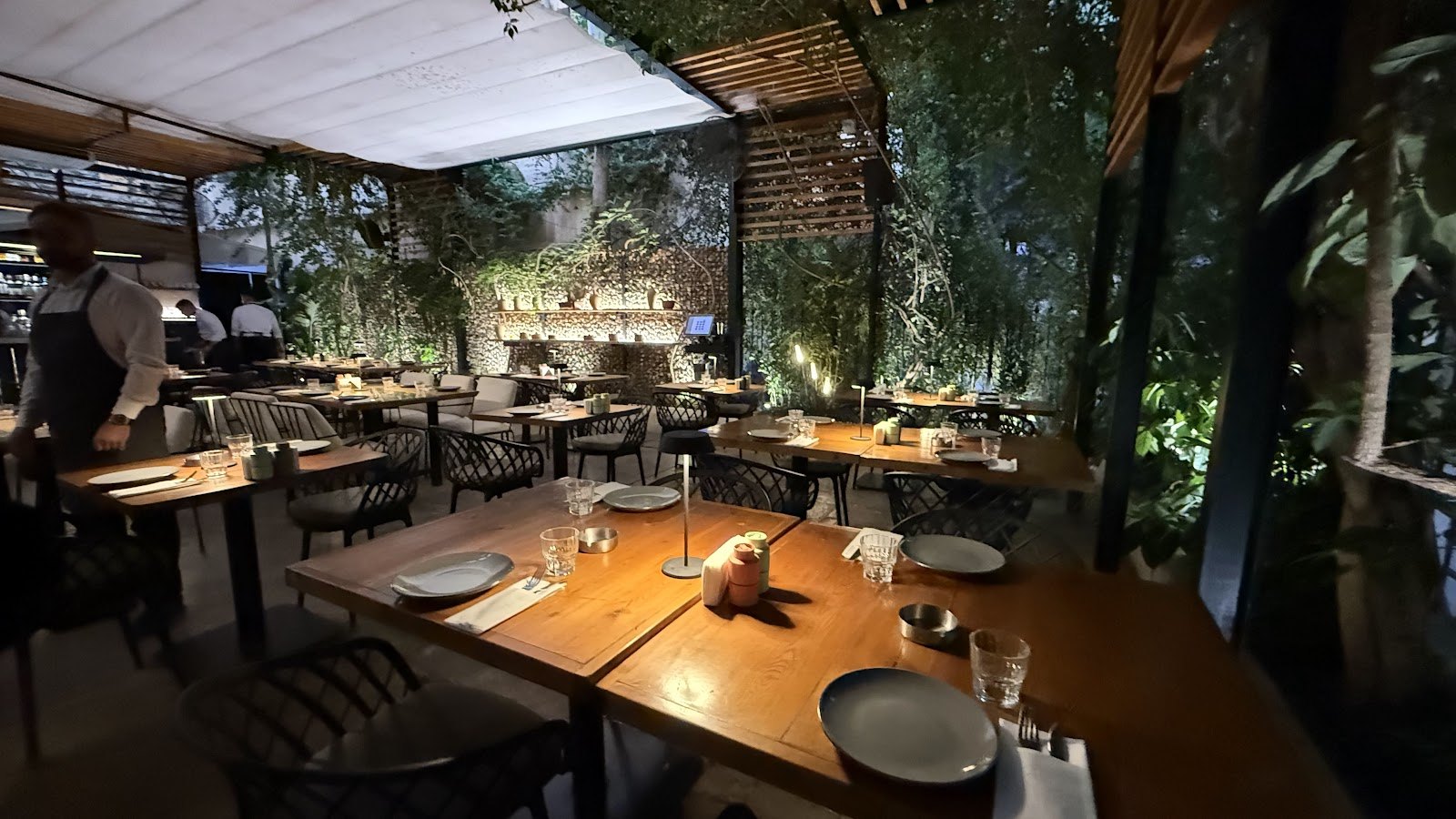 Photographed on the ground · Beirut
Loud, warm, and one of the great eating cities of the Mediterranean. The neighborhoods, the tables worth crossing town for, and how to visit thoughtfully.
Photographed on the ground · Beirut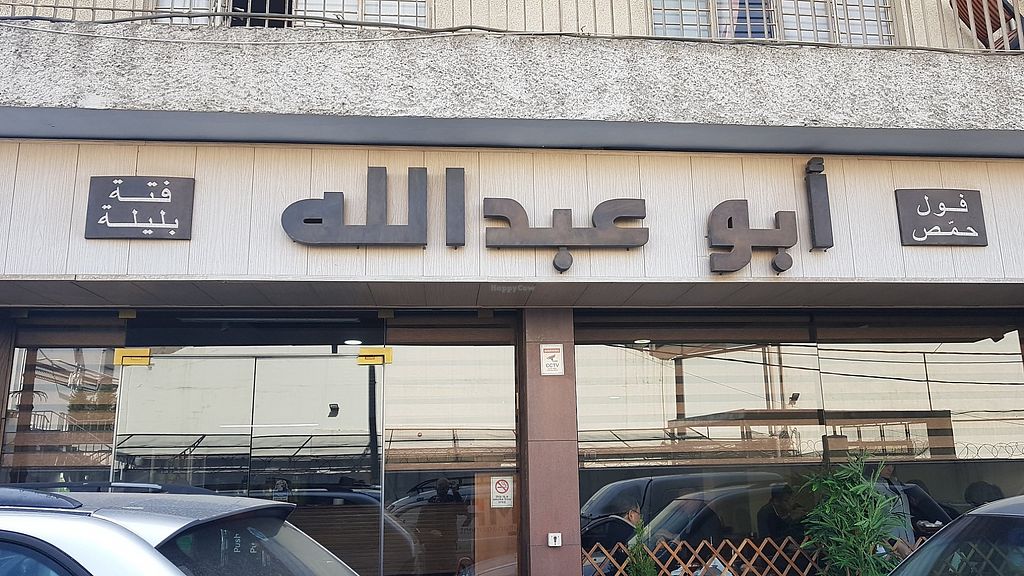
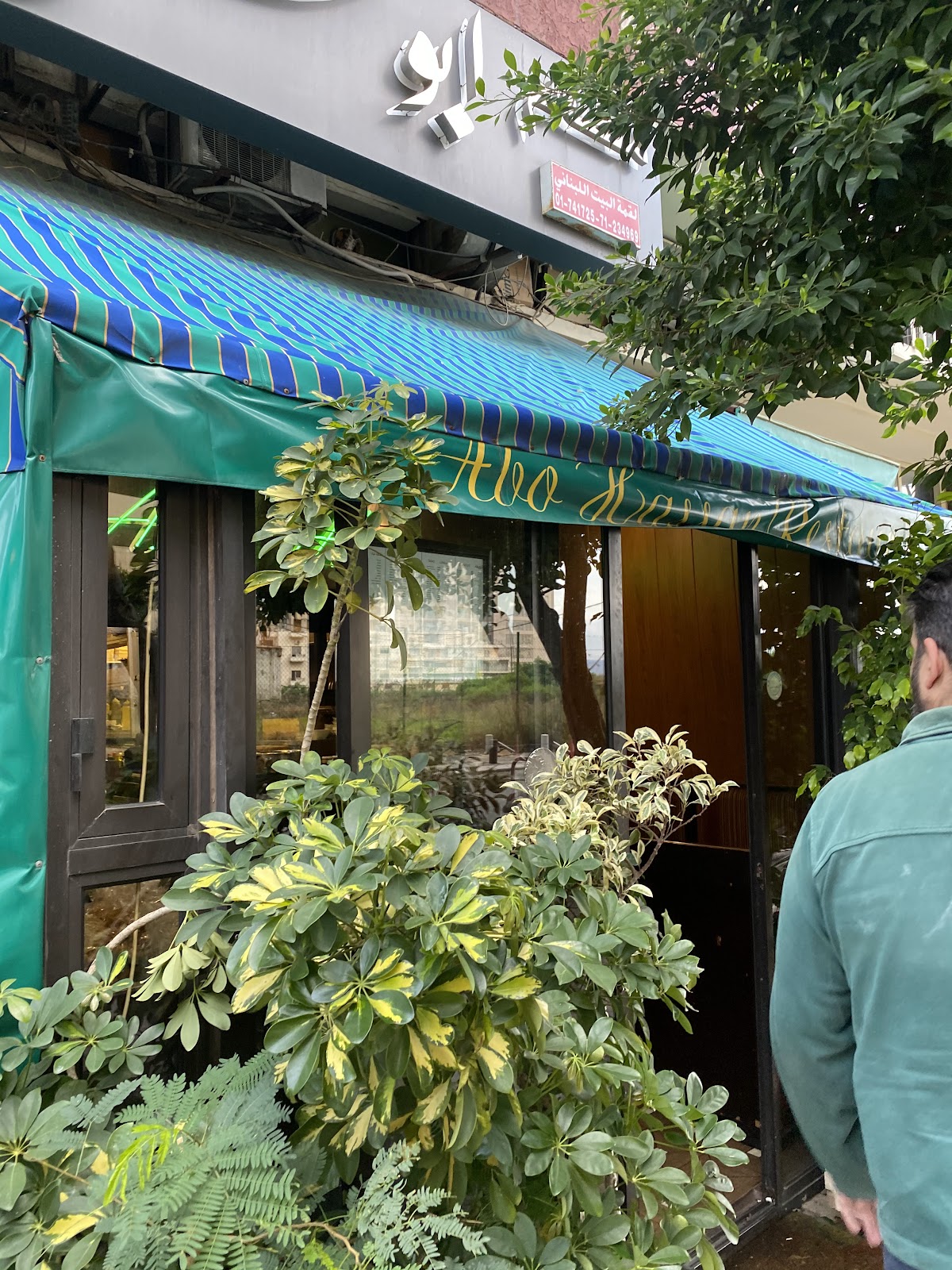
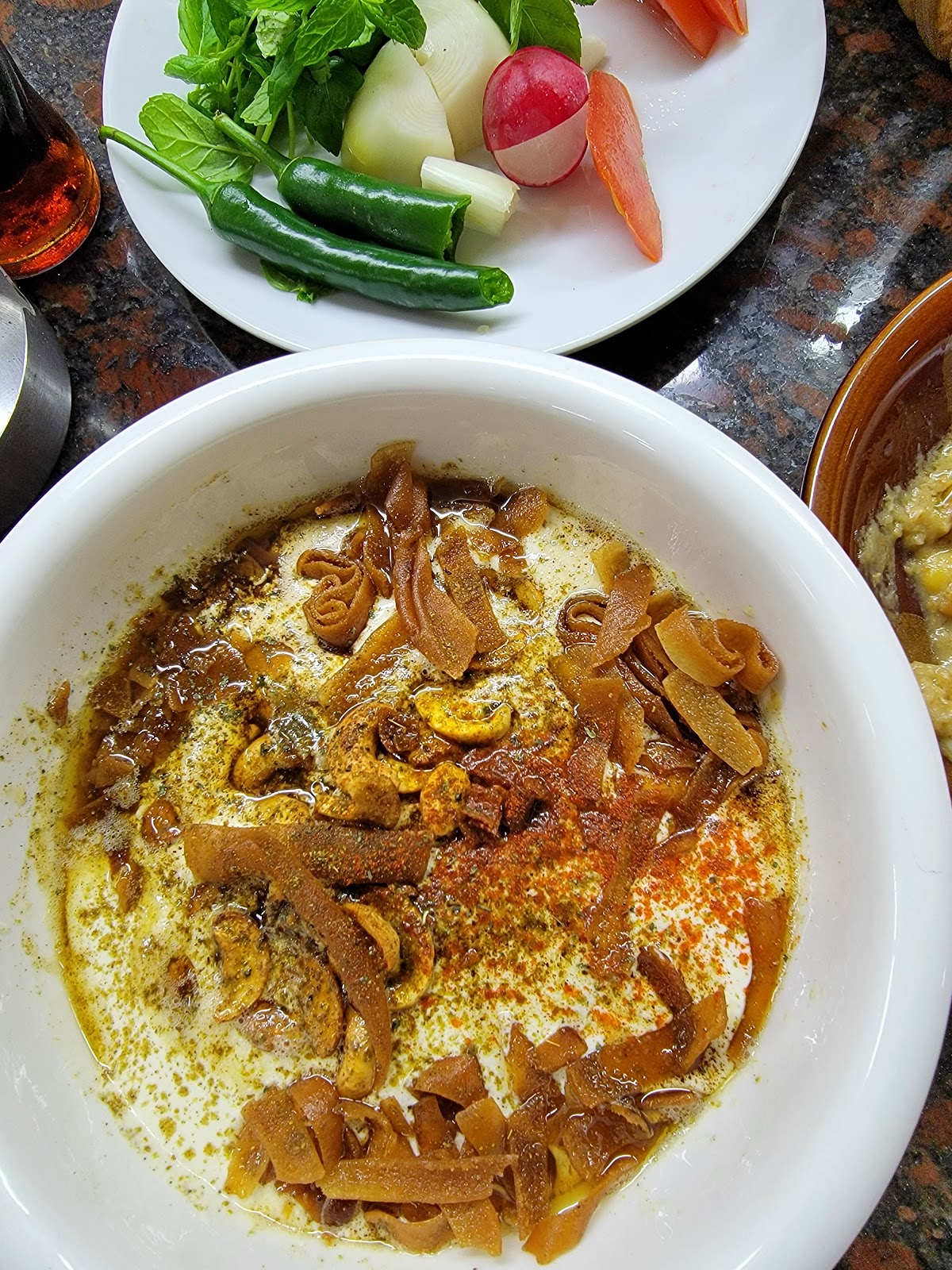
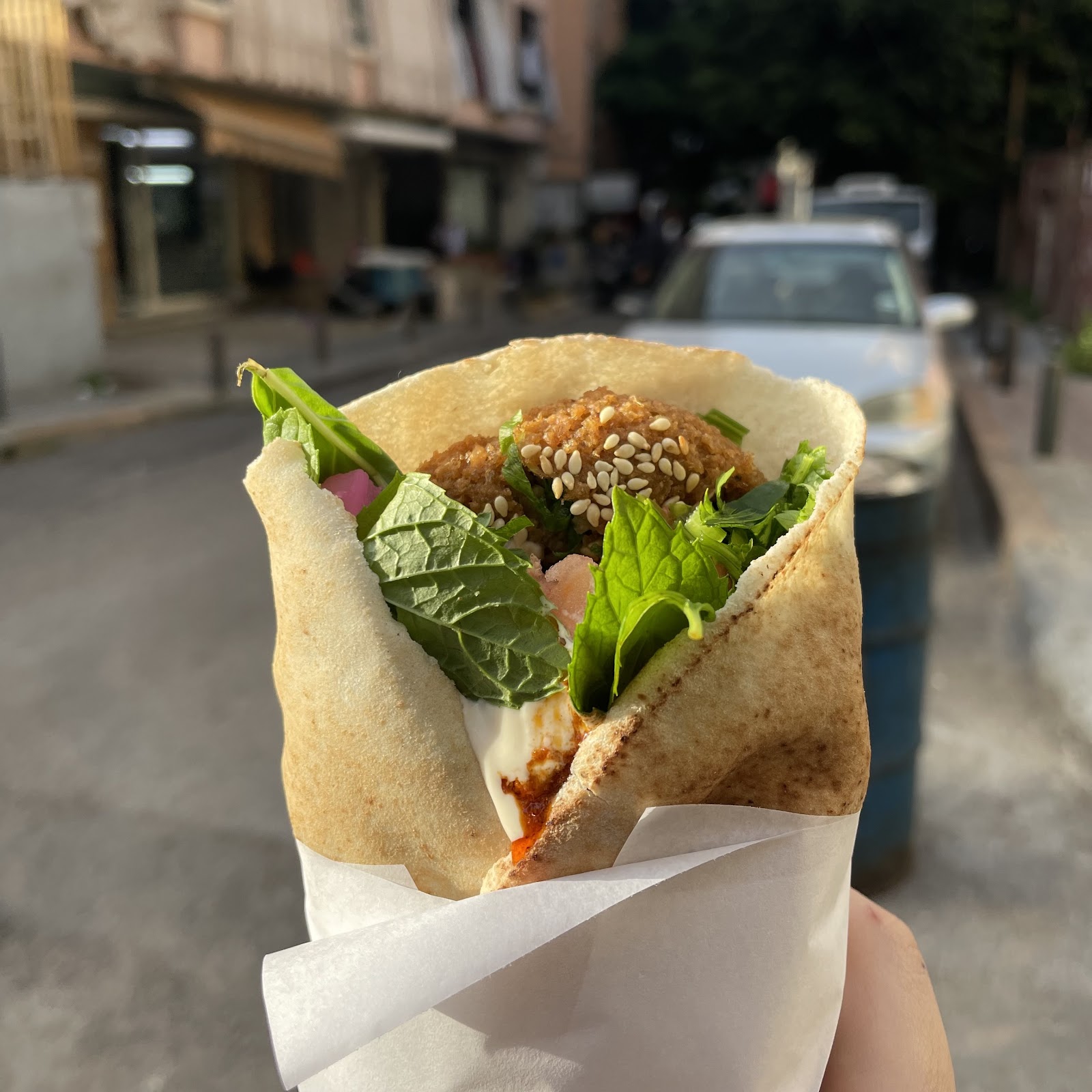
Beirut eats before it does almost anything else. This is a city where a hundred-year-old falafel counter and a two-seating chef's table sit four kilometers apart, where breakfast is a genuine destination, and where the table is still — whatever else is happening around it — the center of everything. Here's how to eat and move through it well.
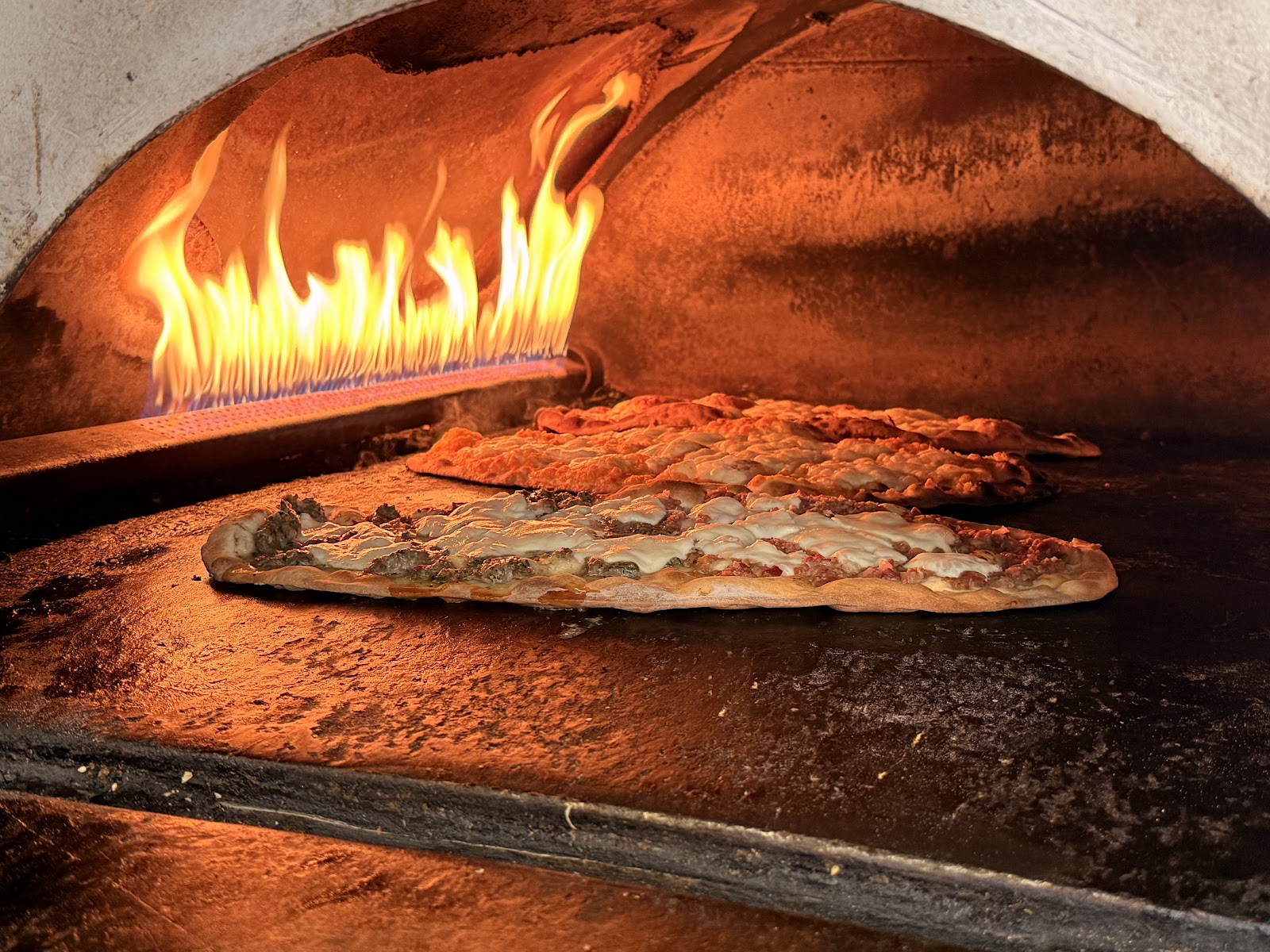
Lebanese food doesn't really have a 'scene' so much as a rhythm: foul and hummus at dawn, manoushe mid-morning, mezze stretching across a whole evening, sweets whenever. Beirut does all of it, spread across neighborhoods with sharply different personalities. Hamra, Ras Beirut's bustling commercial spine around the American University of Beirut, is dense with breakfast counters and bookshop cafés and rarely quiet. Mar Mikhael, down by the water, turns into Beirut's liveliest bar strip after dark, its restaurants and grills feeding the same crowd. Gemmayzeh, one flight of stairs away — literally, the Saint Nicolas Stairs connect them — fills French-mandate-era buildings with bars, street art and a slightly calmer version of the same energy. Up the hill, Achrafieh is Beirut's elegant, red-roofed quarter, home to sweets shops and quieter, more refined tables. And across town, Bourj Hammoud — settled by Armenian refugees in the early twentieth century and still the heart of Armenian Beirut — has an entirely distinct food identity: basterma, soujouk, kebbe, a whole cured-meat and mezze culture you won't find in the same form anywhere else in the city.
Start with these eight. The full ranked list of fifteen — plus the specific dishes to order — is in our Beirut food guide.
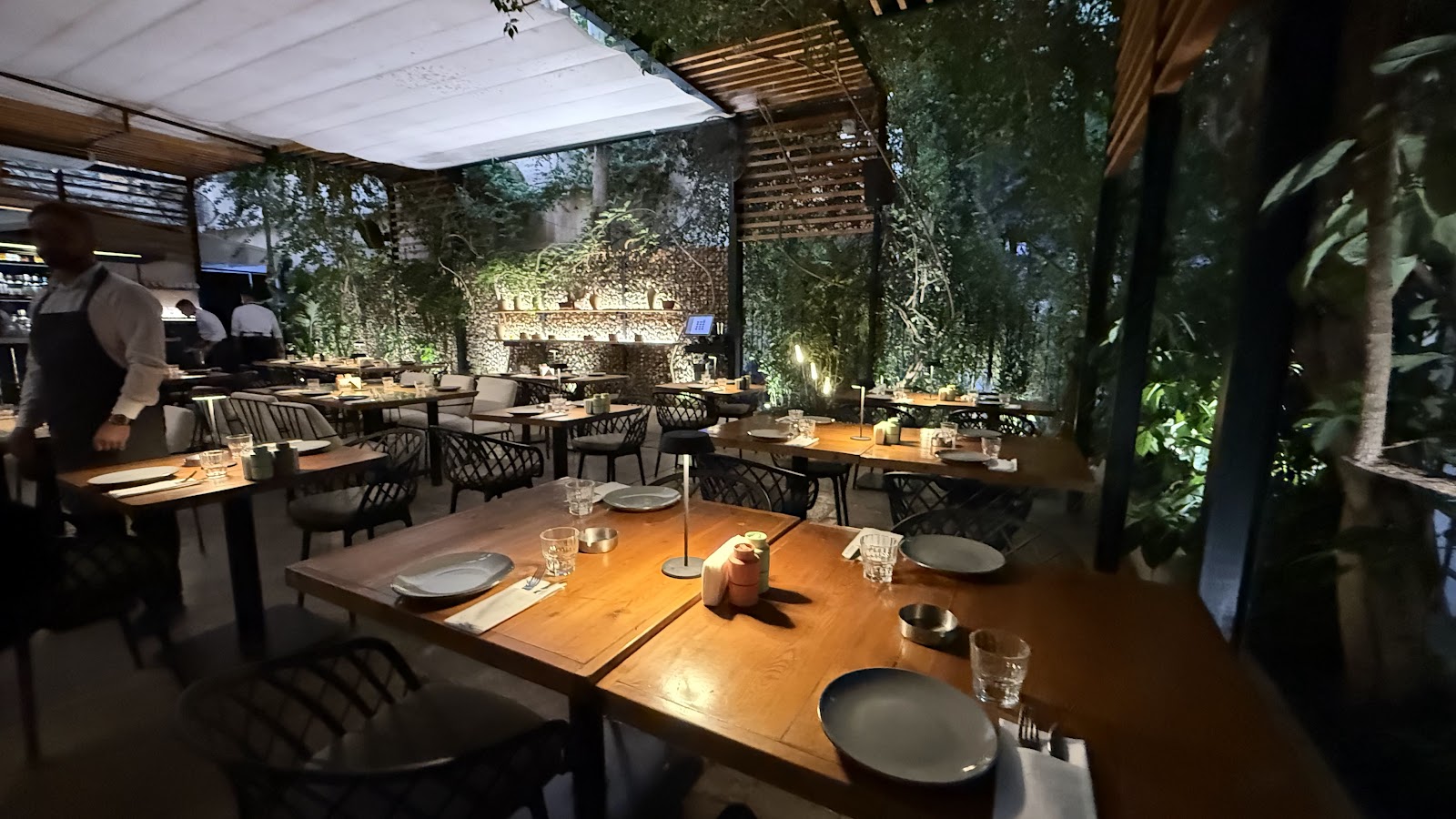
The city's most talked-about modern table: a live chef's-counter tasting menu cooked in front of you over two nightly seatings only. Dine-in, reservations essential.
A Dawra breakfast temple that's served foul and fetteh since 6am under old-Lebanon décor with Fairuz playing low — the kind of place locals treat like a secret.
Hamra's 24-hour hummus institution — fattet laban, falafel and fries at any hour, in the huge portions this family-run kitchen is known for.
Hand-mashed hummus and foul unchanged since 1965, at a small counter near AUB that three generations of students have called breakfast.
Falafel fried to order by a hajj who's worked the same counter for 60-plus years, in a shop that's been open for more than a century.
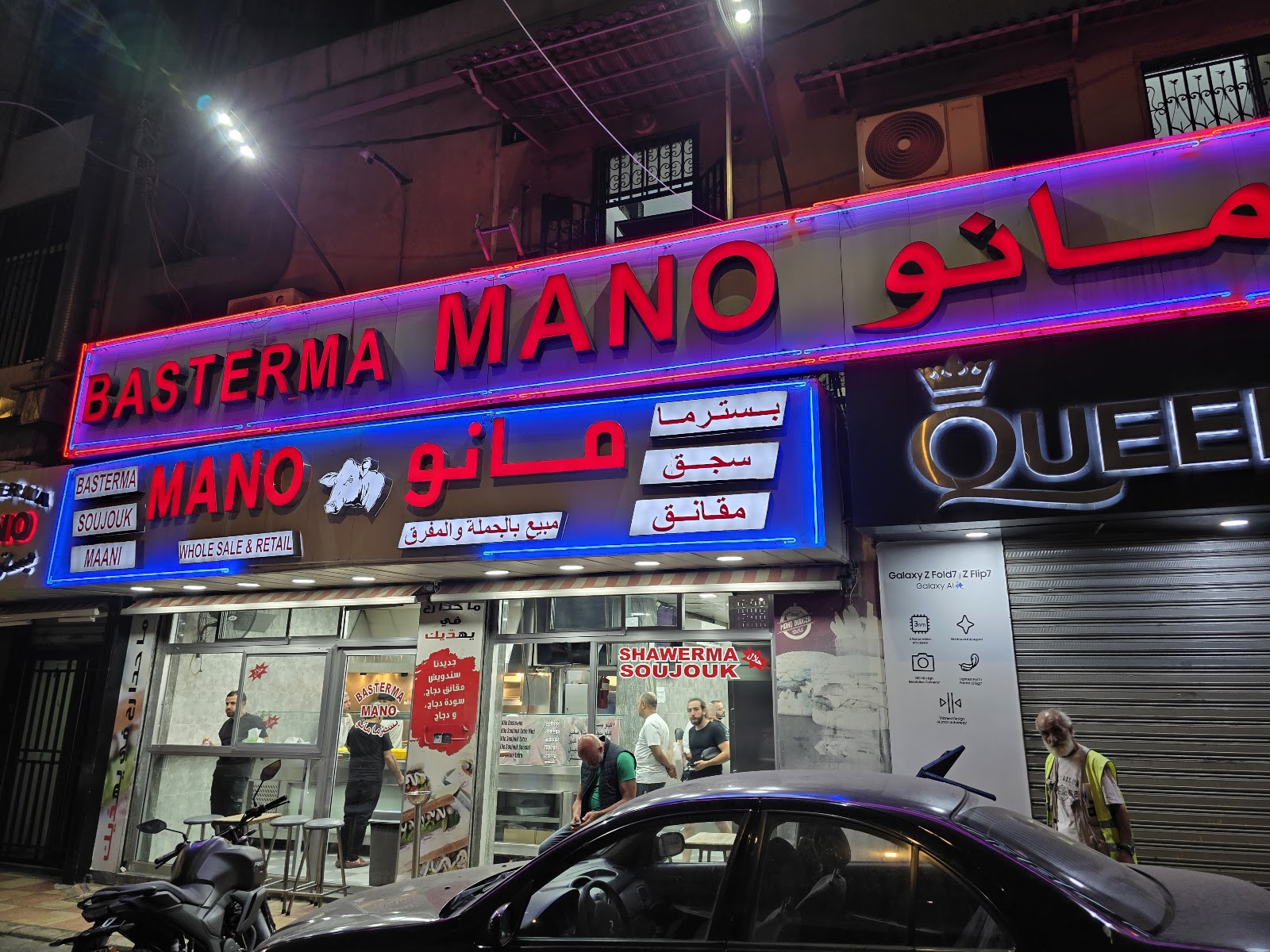
Cured meats and shawarma since 1966 — the single most-reviewed business in this whole city, and the fastest way to understand Bourj Hammoud's Armenian food culture.
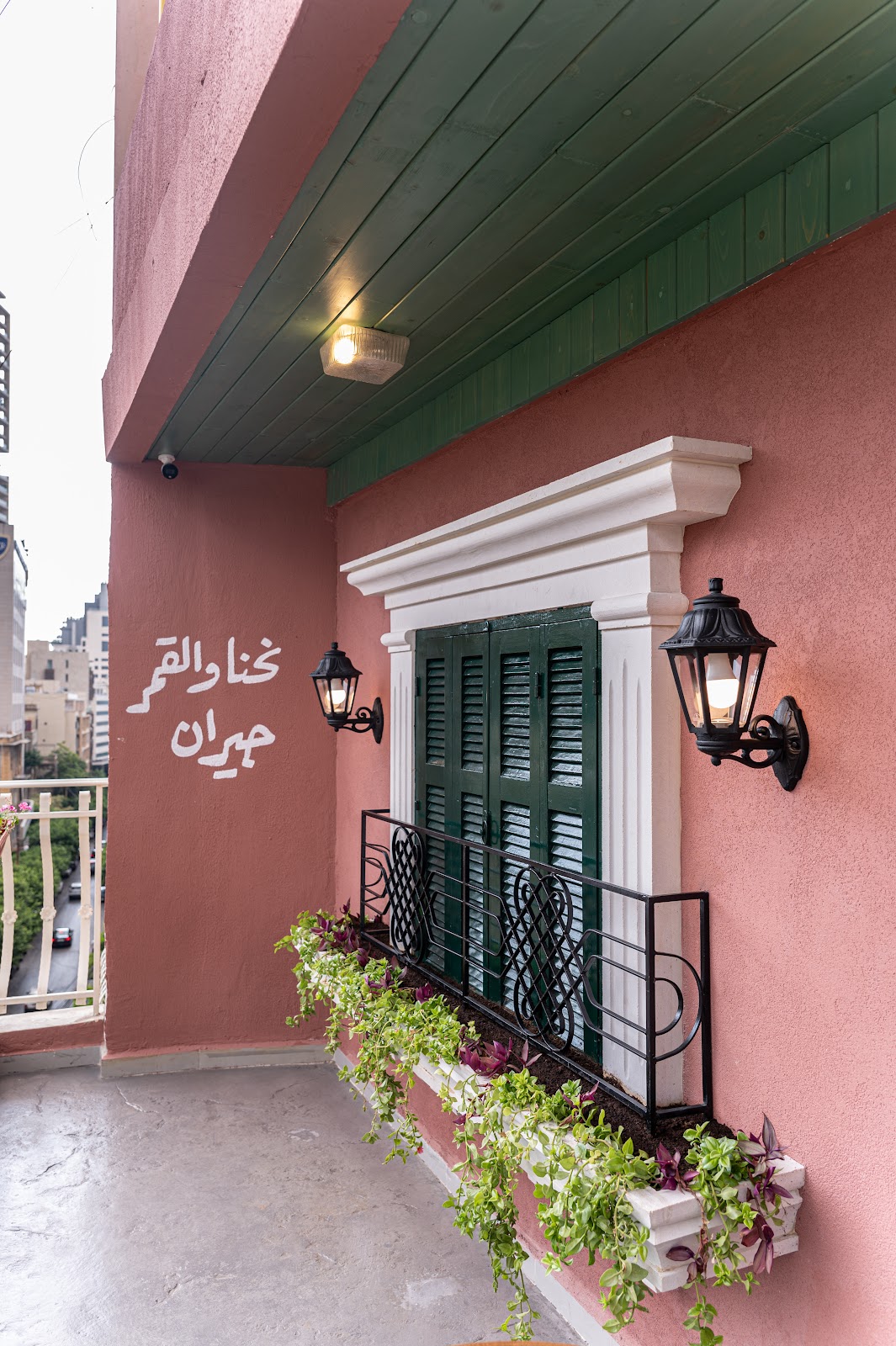
A big Lebanese breakfast spread on a 60s/70s-retro rooftop with skyline views over Gemmayze, plus a serious shisha game.
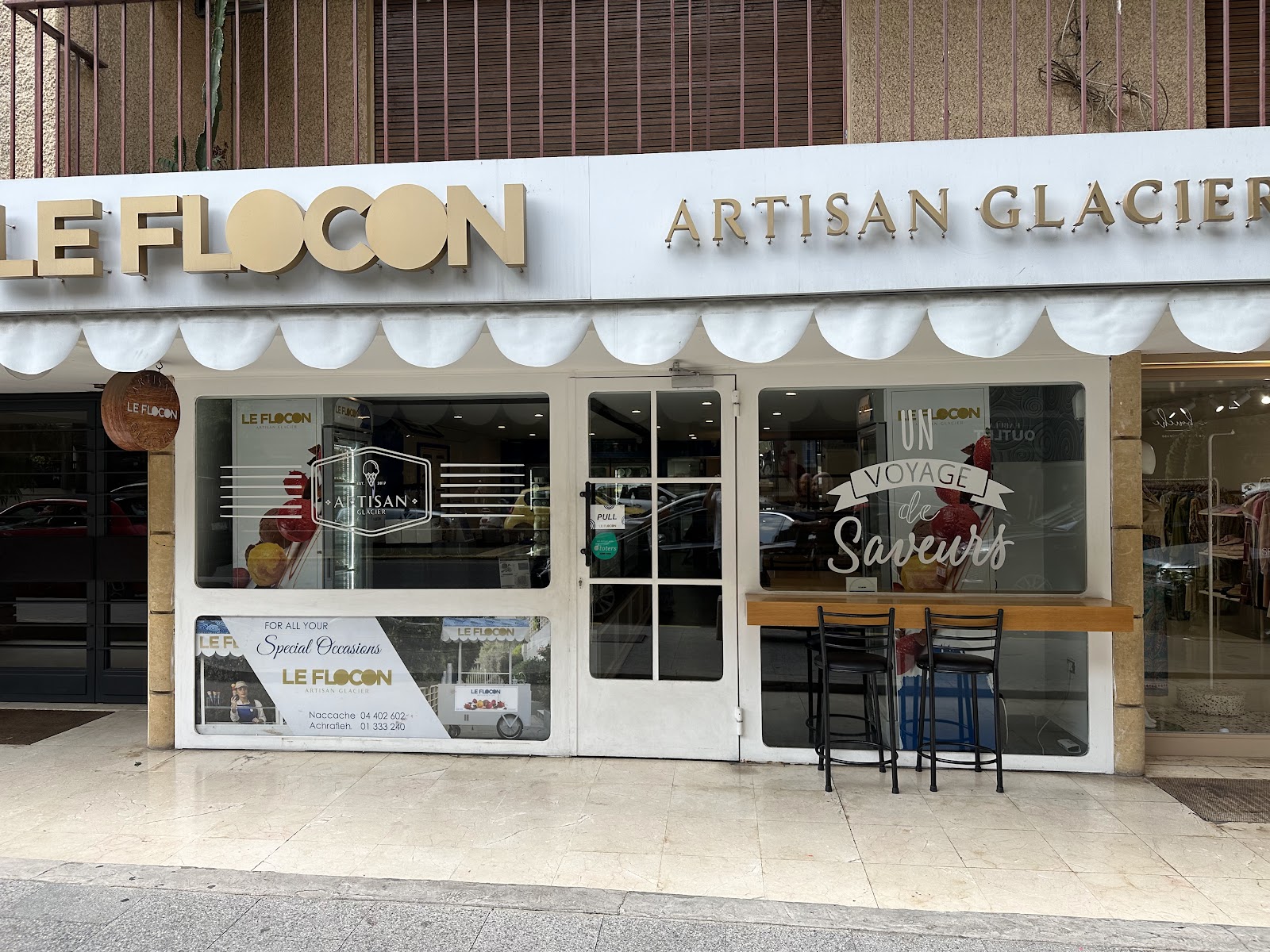
The prettiest ice-cream counter in the city — salted-caramel booza sculpted into fruit shapes, including a strawberry that actually looks like one.
Beirut's hotel scene took a hit after 2020 and is still rebuilding, but a handful of properties are reliable, well-run and currently bookable — worth reconfirming close to your dates, as with most things here.
Small serviced suites right in Hamra's restaurant strip — a step up from a hostel without boutique pricing, and walking distance to half the eats above.
A design-forward hotel in a converted residential building with a rooftop pool and bar — steps from the National Museum and Badaro's café strip.
A converted Ottoman-era mansion and Relais & Châteaux member with a rooftop terrace over the city — one of Beirut's longest-running, best-known boutique stays.
The grand seafront hotel of Beirut's golden age, now IHG-run — the easiest big-name splurge if you want a known quantity on a first trip.
Booking.com has the widest live Beirut inventory across all four of these, plus everything in between.
A 4.8km seafront promenade for walking, jogging or watching the sunset — follow it out to Raouché for a free view of the Pigeon Rocks, Beirut's only natural sea arches.
About 1,300 Phoenician-to-Mamluk artifacts, including the Byblos figurines — plus the quietly remarkable story of how staff protected the collection through the civil war.
Modern and contemporary art across 800-plus works in a grand Achrafieh building, with the still-private Sursock Palace visible right across the street.
The rebuilt heart of the city — 200-plus shops in a polished, walkable streetscape, and a good bookend to a Downtown afternoon.
The single most popular day out of Beirut: a vast cave system, the Crusader-era harbor town of Byblos, and a cable car up to the Harissa statue.
See day trip options →Wander the Armenian quarter's dense market streets past basterma and soujouk shops and Armenian churches — pairs perfectly with lunch at Basterma Mano or Resto Ghazar.
Beirut–Rafic Hariri International (BEY) is Lebanon's only airport, about 15–25 minutes from Hamra, Downtown or Achrafieh depending on traffic. The official taxi counters inside arrivals are the simplest first move — agree the fare before you get in. Bolt also operates across the city with metered, no-haggling fares, though it can be hit-or-miss picking up right at the airport.
Lebanon currently carries formal government travel advisories, and they're worth taking seriously — but they aren't uniform. Several governments currently draw a real distinction between Beirut and Mount Lebanon, generally urging caution there, and the south and border areas, which carry stronger warnings; a cessation of hostilities announced in spring 2026 has held, though both the US and UK describe the situation as fluid. Advisories are updated often and differ by country, so treat this paragraph as a starting point, not the final word. Check your own government's current, dated advisory — travel.state.gov for US citizens, gov.uk/foreign-travel-advice for UK citizens — before you book, and again closer to your trip, and consider registering with your embassy once you're there.
April–June and September–October are the sweet spot — warm, dry and comfortable, good for both the coast and day trips. July–August is hot and the busiest, priciest season, as the diaspora comes home for summer. Winter is mild by regional standards, with occasional storms, and the cheapest hotel rates alongside November and March. Lebanon is often called the only country in the Levant with genuine four-season variation — a mild coast within an hour of snow in the mountains.
Fifteen places worth crossing the city for, the Lebanese dishes you have to order, and which neighbo
Five neighborhoods with genuinely different personalities, and the real hotels worth booking in each
The sea promenade, the museums, the blue-domed mosque downtown, and the day trip north worth buildin
Hamra breakfasts and the Corniche on Day 1, Beirut's museums and a Mar Mikhael night out on Day 2, t
April–June and September–October are the sweet spot — plus the honest trade-offs of summer's diaspor
From Rafic Hariri airport into town, why a short taxi hop between neighborhoods is normal even in a
It depends on your own government's current advisory, which is exactly why we won't give you a flat yes or no here. Several governments currently distinguish between Beirut and Mount Lebanon — generally urging caution rather than an outright ban — and the country's south and border areas, which carry stronger warnings. Check the current, dated advisory at travel.state.gov or gov.uk/foreign-travel-advice before you book, and again closer to your trip.
Three or four days is enough to work through several neighborhoods and eat very well. Add a day if you want the Jeita Grotto–Byblos–Harissa day trip, the single most popular excursion out of the city.
Start where Beirut itself starts: a foul-and-hummus breakfast at a counter like Abou Abdallah or Malek al Foul, then a manoushe an hour later because you'll want one. Our full food guide has the rest, ranked.
Land already connected with an eSIM instead of hunting for a SIM at the airport, and don't travel uninsured — one medical bill abroad costs many times the premium.