Central Vietnam
Da Nang & Hoi An
Central Vietnam's golden pair — a UNESCO lantern town and a beach-and-food city 45 minutes apart. Where to stay, what to eat, and how to move between them.
 Photographed on the ground · Da Nang & Hoi An
Central Vietnam's golden pair — a UNESCO lantern town and a beach-and-food city 45 minutes apart. Where to stay, what to eat, and how to move between them.
Photographed on the ground · Da Nang & Hoi An

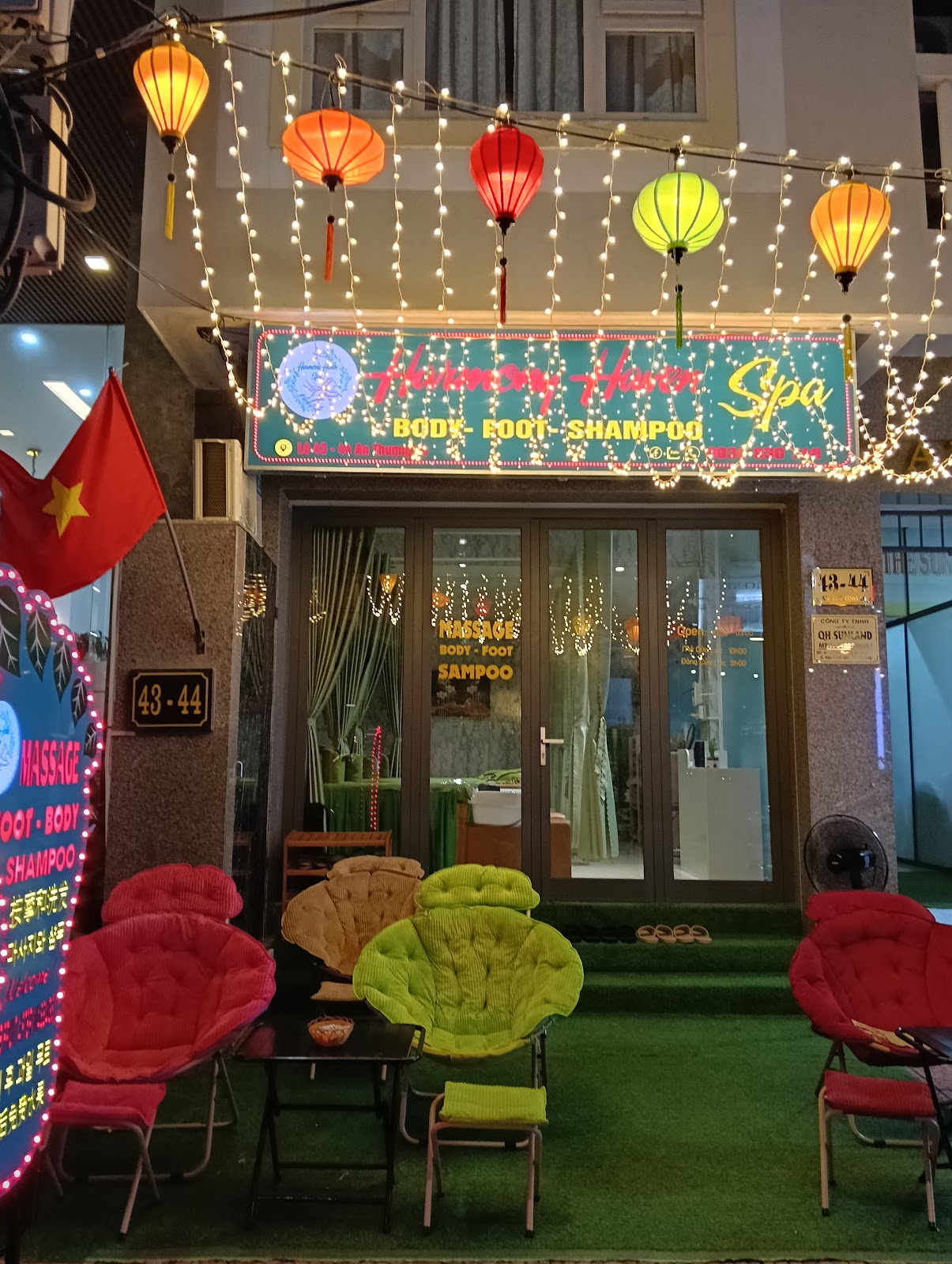
Da Nang and Hoi An aren't really two trips — they're one, split by about 45 minutes of coastal road. Da Nang is the modern half: a genuine beach city with excellent food and a growing digital-nomad scene. Hoi An is the postcard half: a UNESCO-listed lantern town that still looks like the 18th-century trading port it was. Almost everyone visiting central Vietnam does both, and they're right to.
Everything routes through Da Nang International Airport (DAD) — there's no airport in Hoi An itself, so even a Hoi An-only trip starts here. Base in Da Nang for the beach, the seafood, and a short airport run; base in Hoi An for the Ancient Town, the tailor shops, and a slower pace, taxiing out for everything else. Plenty of people just split their nights across both — the drive between them is scenic enough to count as part of the trip, not just a commute.
Our own photographed, on-the-ground picks are both in Da Nang — that's where our local business network is. Hoi An's dishes below are the honest, well-known stuff any good local will point you to; we just don't have a specific address of our own to vouch for there yet.
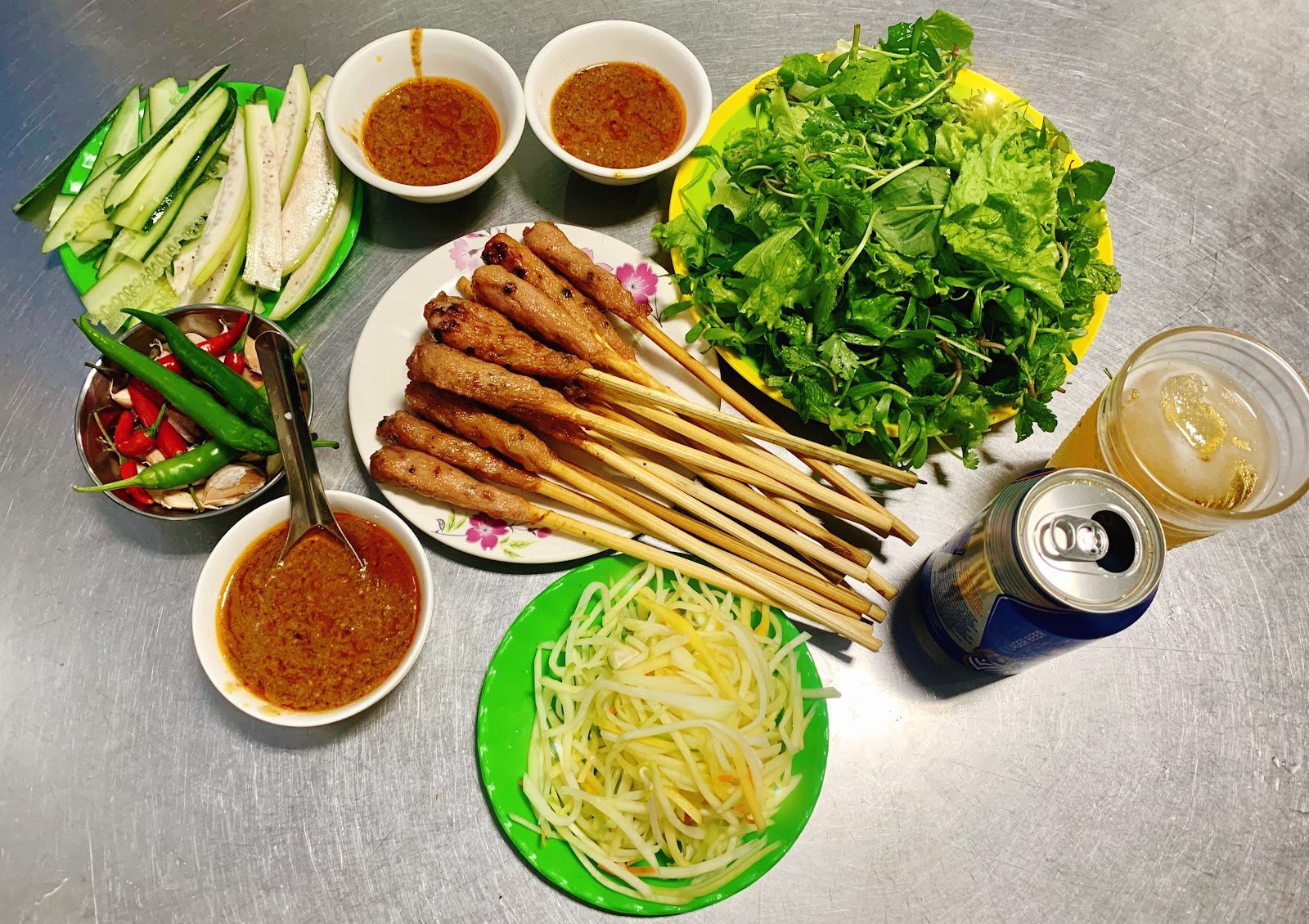
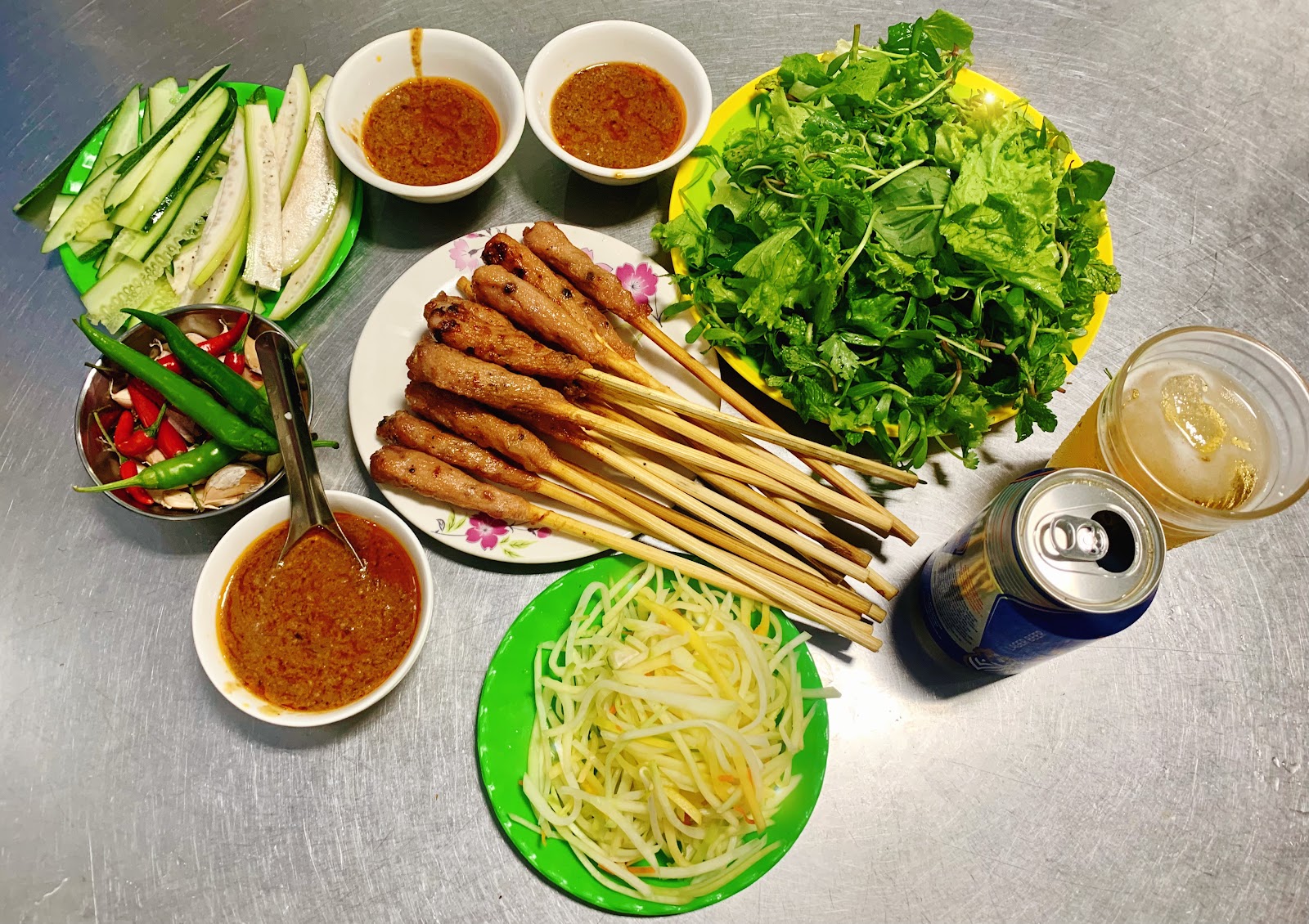
Da Nang's benchmark bánh xèo — a crispy turmeric-rice pancake you wrap yourself in herbs and rice paper. Down a long, busy alley in the Hai Chau district; order the nem lụi (grilled lemongrass pork skewers) and bò né (sizzling beef) alongside it.
A genuine Da Nang specialty you won't find in most of Vietnam: fish-and-crab-cake noodle soup. Add lime, pickled onion and a spoon of fermented shrimp paste — regulars say the broth is flat without them.

Hoi An's own noodle, found almost nowhere else — thick, chewy rice noodles under sliced roast pork and crispy croutons. Every lane in the Ancient Town has a version; there's no single 'best,' just good ones.

Bánh bao vạc — translucent steamed shrimp dumplings folded to look like a flower, a Hoi An original made by a handful of family kitchens that do little else.

Madam Khánh's stall is arguably Vietnam's most famous bánh mì stop. Expect a queue, and a sandwich stacked with more than you'd think fits in one baguette.
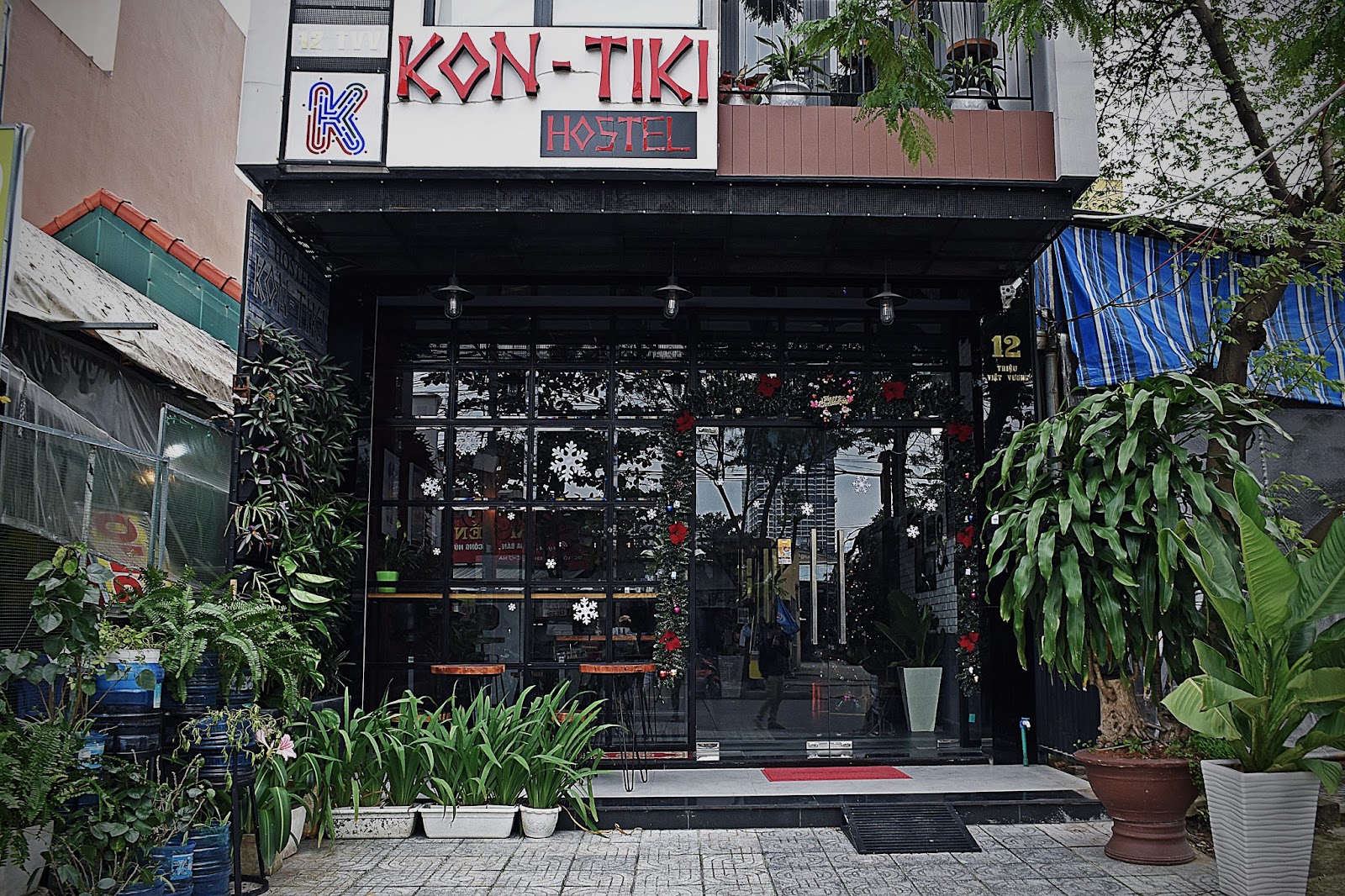
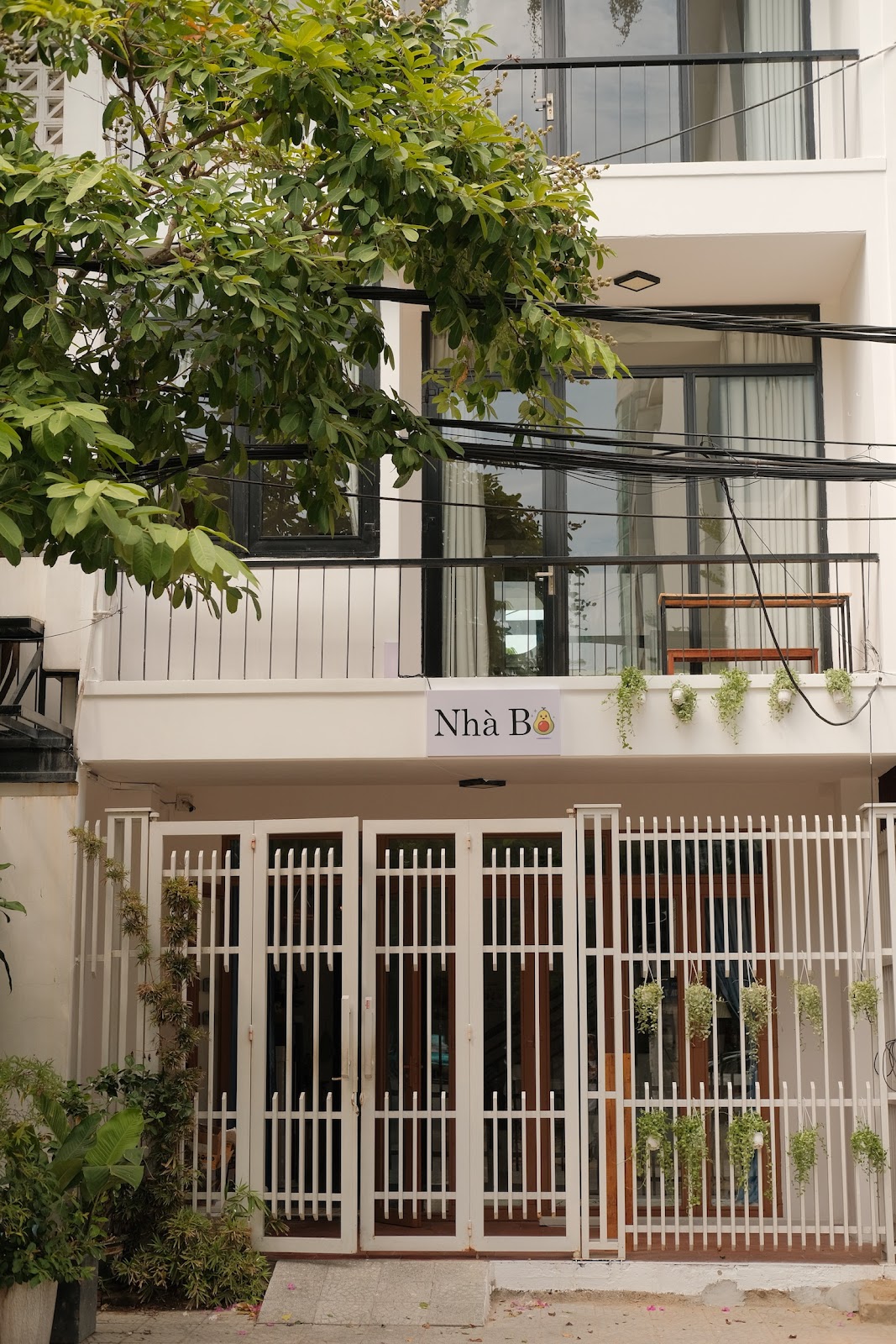
Three areas do the job: My Khe / An Thuong in Da Nang for beach-and-nomad energy, the Hoi An Ancient Town for lantern-lit walkability, and An Bang Beach nearby for a quieter alternative a short ride from the old town. Our own picks — Kon-Tiki Hostel and Nhà Bơ Homestay — both sit in An Hai, Da Nang, between the river and My Khe beach.
A 4.4★-rated budget hostel between the river and the beach — our pick for a sociable, walkable base without a resort price tag.
A 4.9★-rated homestay in the same neighborhood — warmer and quieter than a hostel, still an easy walk to the beach.
One of Vietnam's original beachfront five-stars, open on the main My Khe strip since the late 1990s — a long, established operating history.
Bill Bensley's flagship: a private-beach resort on its own peninsula, grand enough to have hosted the APEC 2017 leaders' summit. The splurge pick.
A French-colonial-style riverside resort that's genuinely walkable to the Ancient Town — rare for something this size. The easy Hoi An choice.
Agoda and Booking both have deep coverage here; Agoda often edges Booking on price across Vietnam, so it's worth checking both before you commit.
You could fill a week here without repeating yourself. These six earn their spot — book the oversubscribed ones ahead, and just turn up for the rest.
Wander the UNESCO-listed core by day for the 15th–19th-century shophouses and the early-1600s Japanese Covered Bridge, then come back after dark, when the streets go motorbike-free and lantern-lit.
Five marble and limestone hills just outside Da Nang, riddled with caves holding Buddhist and Hindu shrines — Huyen Khong Cave and Tam Thai Temple are the highlights. Climb the 156 steps or take the elevator.
A French-era hill station at 1,500m, reached by a record-length cable car, with the giant stone 'hands' of the Golden Bridge that went viral worldwide. Heavily oversubscribed — book a combo ticket rather than queuing on the day.
Book Ba Na Hills tickets →Ruined 4th–13th-century Hindu temples of the Champa kingdom, UNESCO-listed and about 36km south of Hoi An — a smaller-scale cousin of Angkor. Almost everyone visits as a guided half-day, sunrise options included.
Book a My Son tour →My Khe (Da Nang) is the wide, resort-lined urban beach with water sports on tap. An Bang (Hoi An, a few km from the Ancient Town) is smaller and slower — a café strip right on the sand.
Spin around the coconut-palm water village of Cam Thanh in a round bamboo basket boat — the rower often throws in a 'basket-boat dance.' Usually bundled with a bike tour of the surrounding rice paddies.
Book the basket boat tour →Da Nang International Airport (DAD) — Vietnam's third-largest — is the only airport for this whole region; both cities are reached from here, with direct international links to Bangkok, Singapore, Seoul, Taipei, Hong Kong and Kuala Lumpur. There's no airport in Hoi An itself.
Da Nang to Hoi An is roughly 28–30km, 45 minutes to an hour. Grab is the easiest, most transparent option; metered taxis and shared shuttles also cover the route, and confident riders do it themselves by scooter (from around 80,000–150,000 VND/day) along a genuinely scenic coastal road — an International Driving Permit is technically required.
12Go is the standard way to compare and book transfers, buses and trains around Vietnam in English, including onward routes like Hue.
February to May is the sweet spot — dry season, before peak heat and humidity set in, reliable for both beach days and Ancient Town walking. June–August is still dry but properly hot and humid; workable if you pack for it.
September through December is wet and typhoon season, and October–November bring real flood risk in Hoi An specifically — the Ancient Town's riverside streets have gone underwater for a day or two in multiple recent years, affecting ground-floor rooms. Traveling then, book accommodation on higher ground, keep your itinerary loose, and expect the possibility of a rearranged day.
For every dish worth ordering in both cities — including the two Da Nang kitchens above in full — see our Da Nang & Hoi An food guide below.
Two real Da Nang kitchens we've eaten in and photographed, plus every Hoi An dish worth crossing the
Two cities, six real neighborhoods, and the five hostels, homestays and resorts we can actually vouc
Lantern-lit lanes, a record-length cable car, marble caves, Champa ruins and a spin around a coconut
Two nights in each city, the transfer built in rather than bolted on, and every stop pulled from wha
February–May is the sweet spot — dry season, before the real heat sets in — plus the honest trade-of
The only airport for both cities, what the Da Nang–Hoi An transfer actually costs, and whether to re
Four to five days covers both comfortably — two or three based in Da Nang for the beach and food, one or two in Hoi An for the Ancient Town and a day trip to My Son or the Marble Mountains. A week lets you add Ba Na Hills without rushing.
Da Nang for beach, a bigger food scene, and a short run to the airport. Hoi An if the lantern-lit Ancient Town is the main event and you don't mind taxiing out for everything else. Plenty of travelers split their nights across both — see our stays picks above.
About 28–30km, 45 minutes to an hour by road. Grab is the easiest and most transparent option; shared shuttles and metered taxis also run it, and confident riders do it themselves by scooter along the coastal road.
Land already connected with an eSIM instead of hunting for a SIM at the airport, and don't travel uninsured — one medical bill abroad costs many times the premium.