Germany
Berlin
The big sights, done efficiently — plus the thing most Berlin guides miss entirely: Sonnenallee, the Levantine food street in the heart of Neukölln.
 Photographed on the ground · Berlin
The big sights, done efficiently — plus the thing most Berlin guides miss entirely: Sonnenallee, the Levantine food street in the heart of Neukölln.
Photographed on the ground · Berlin
Berlin gets sold as Cold War history and techno myths, and both are real. But the thing that actually defines the city right now is a street most visitors never hear about: Sonnenallee, in Neukölln, which Berliners have nicknamed the Arab Street. This guide covers both halves of Berlin — the sights everyone comes for, and the food street almost nobody sends you to.
Here's the part that makes us different: every business we feature in this city sits on or within two blocks of Sonnenallee. Its Arab character goes back to 1975, when Lebanese refugees fleeing the civil war began settling North Neukölln; Syrian, Palestinian and Yemeni communities followed in the decades after. Neukölln today counts roughly 33,000 Arab residents — about a quarter of Berlin's entire Arab population — and it's one of the largest concentrations of Levantine food outside the Middle East itself, all walkable in an afternoon. We go deep on it in our Sonnenallee food crawl; here are seven places to start.
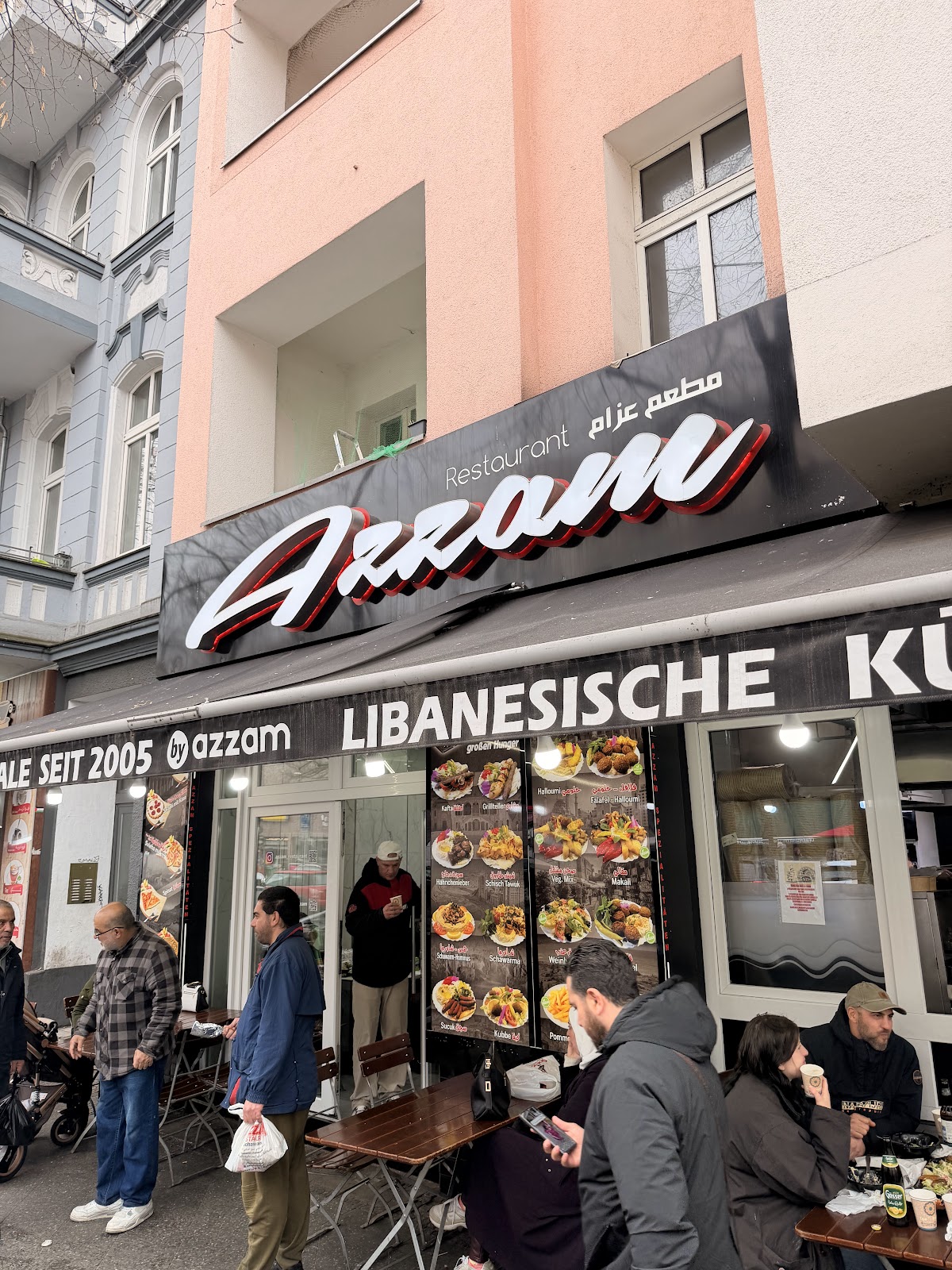
The flagship of the strip: Syrian shawarma and famously gigantic group platters that regulars say are simply a different thing from the shops around it.
Yemeni cooking in genuinely generous portions — demand got them a bigger space, and it shows.
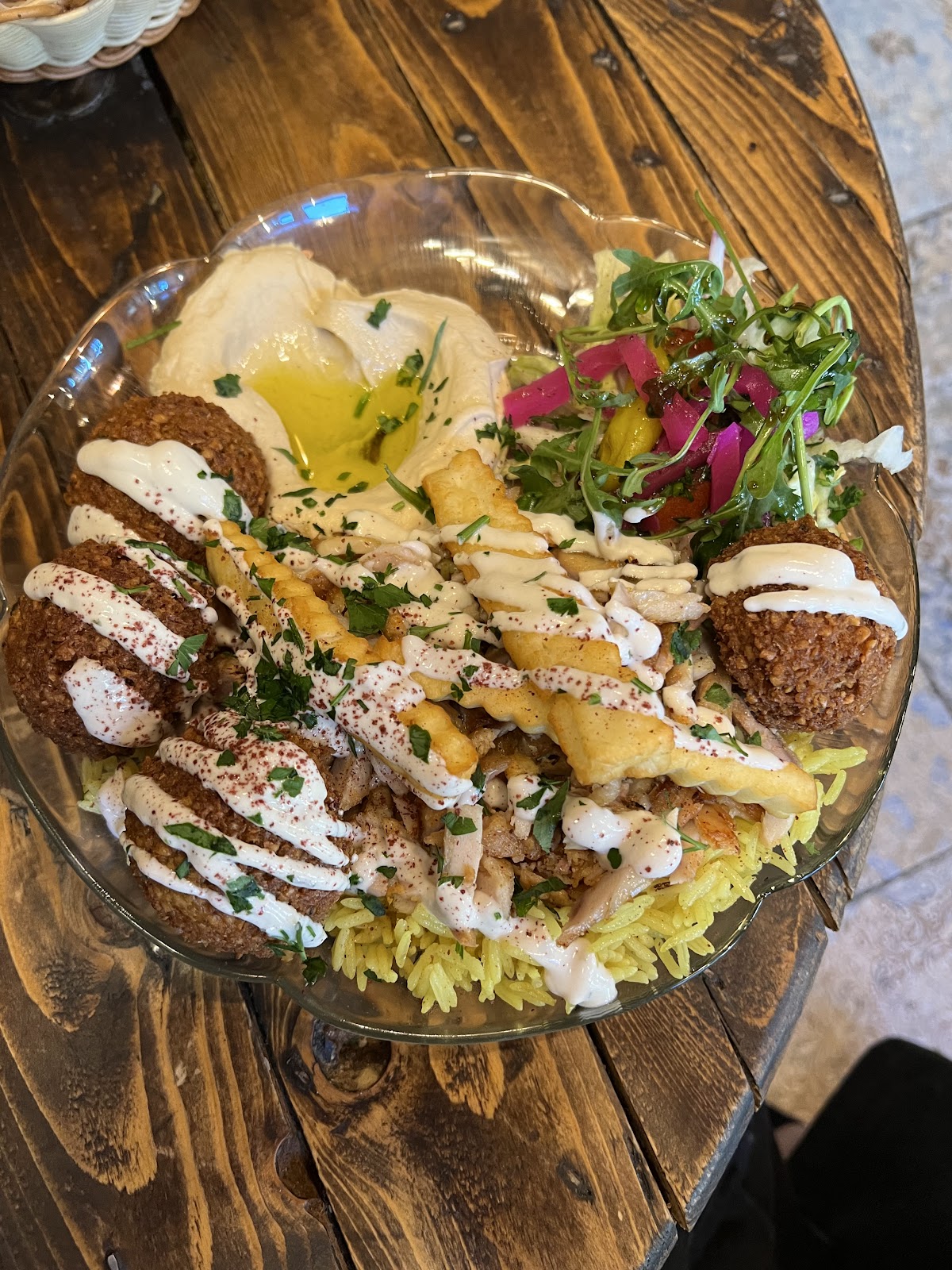
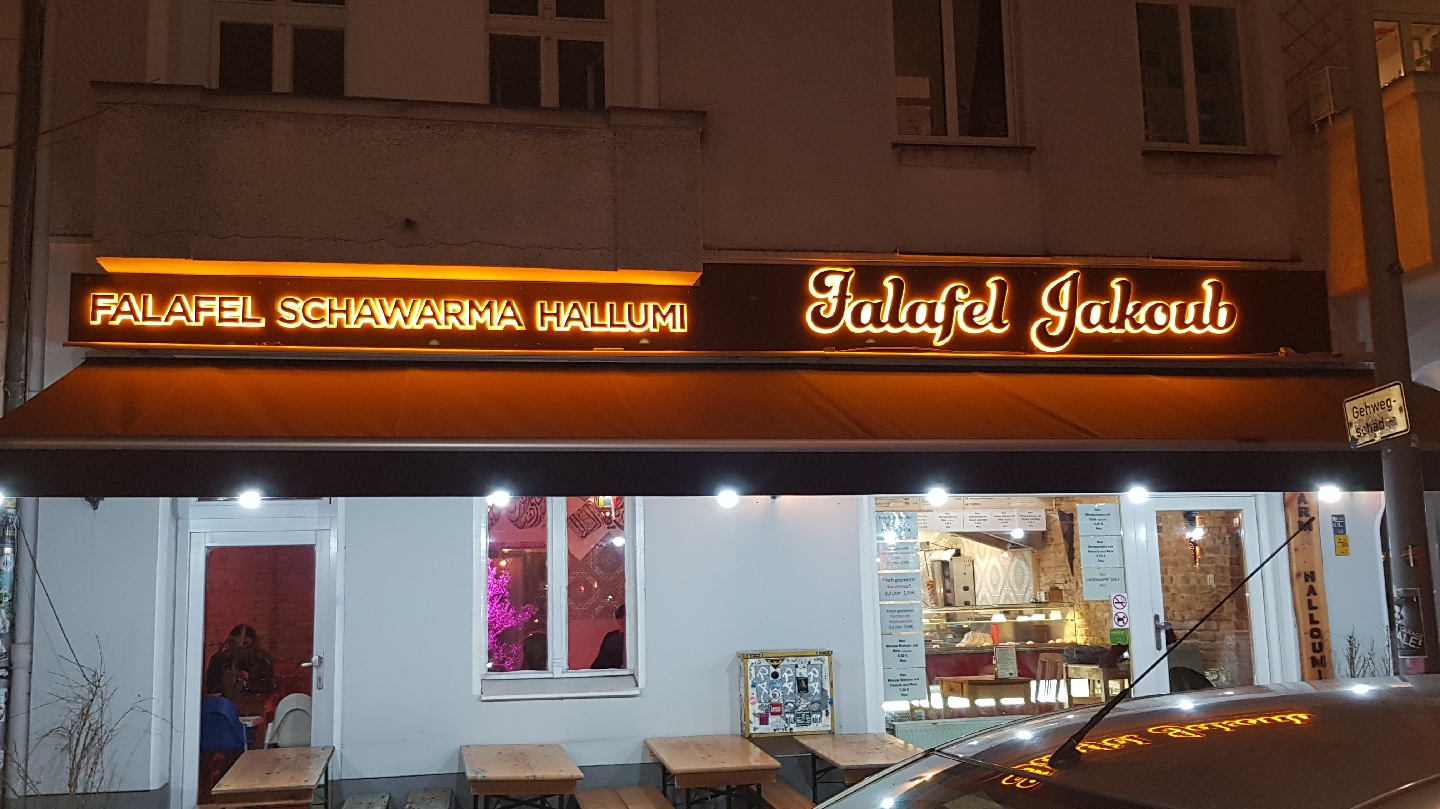
Falafel one reviewer flatly called the best in Europe, and more than one puts it in their personal world top three.
A falafel sandwich built with mango and hazelnut sauce, plus a shawarma-and-baba-ganoush wrap you won't see written down anywhere else.
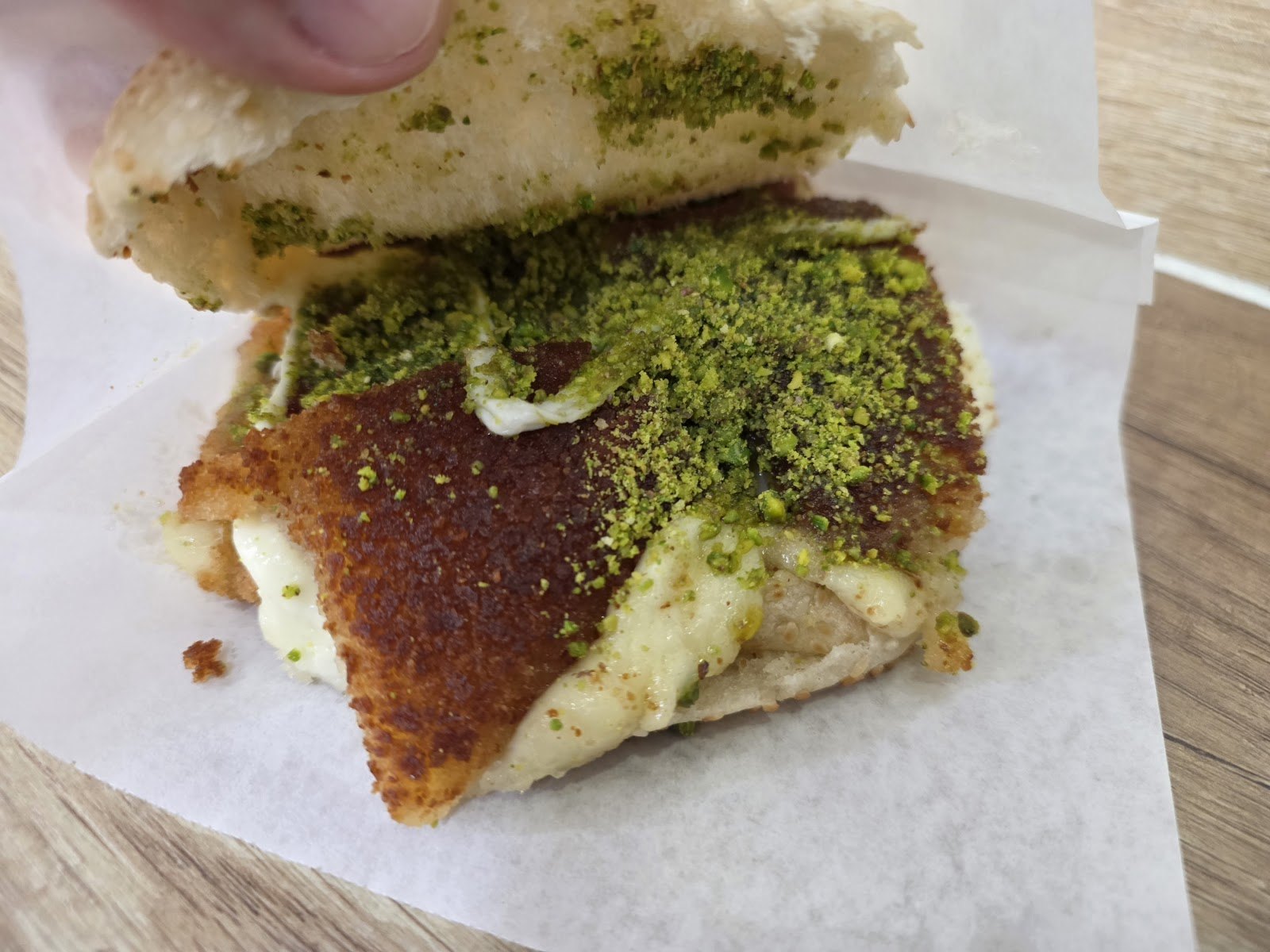
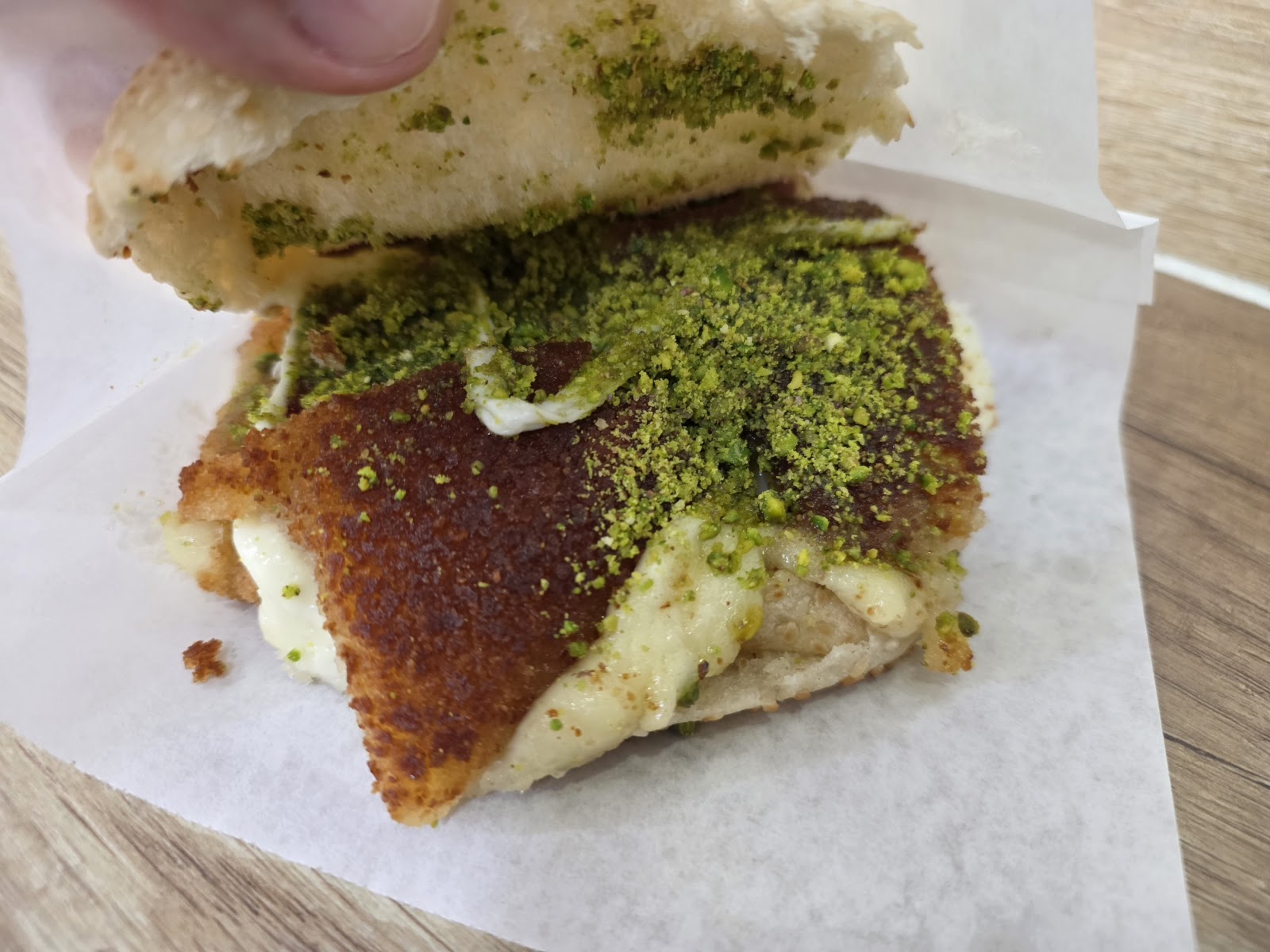
The street's kunafa specialist — crunchy or soft, pistachio-topped — alongside proper Arabic ice cream.
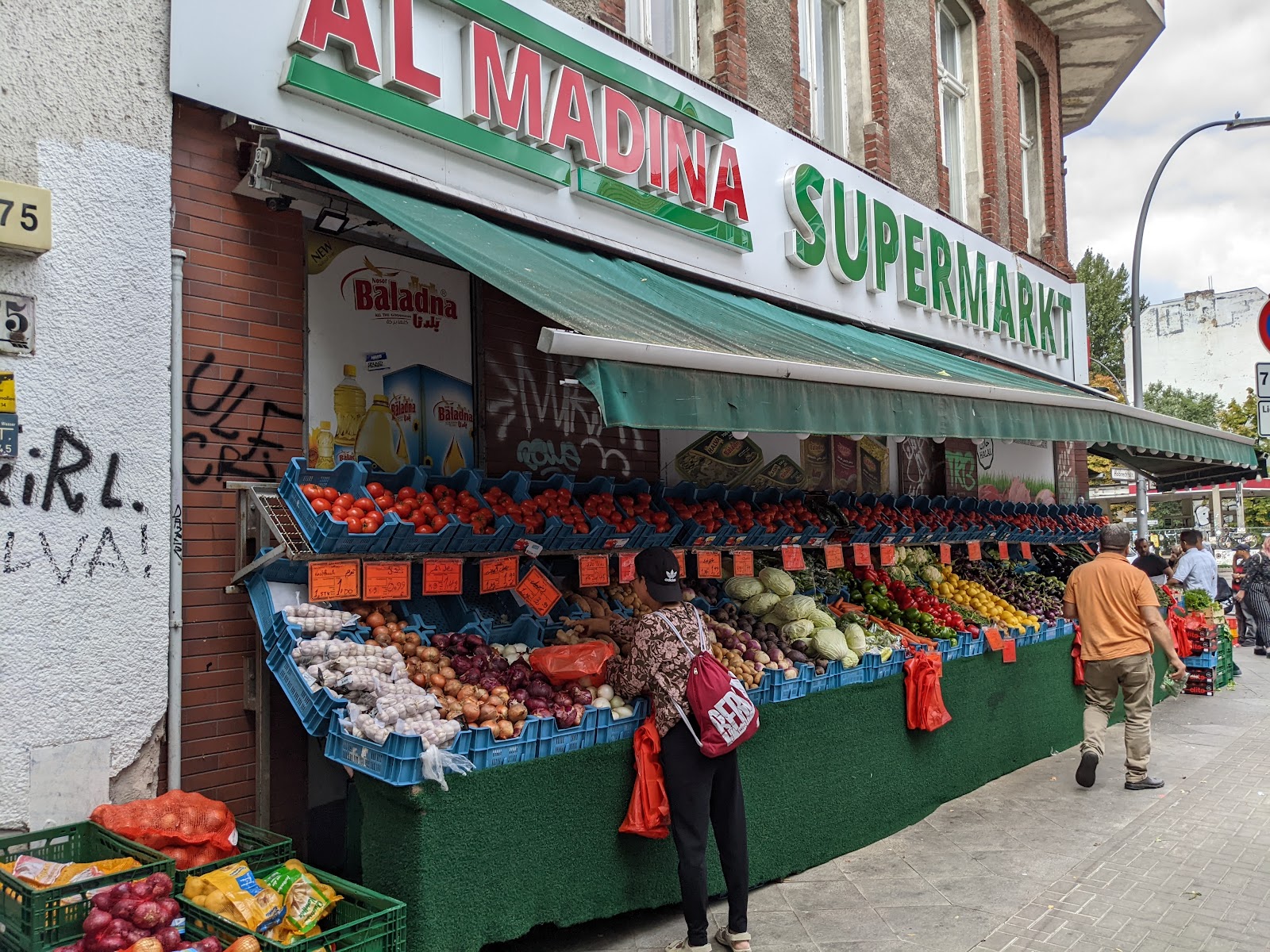
A Levantine grocery for spices, produce, cheese and nuts that homesick regulars call, more than once, 'memories of homeland.'
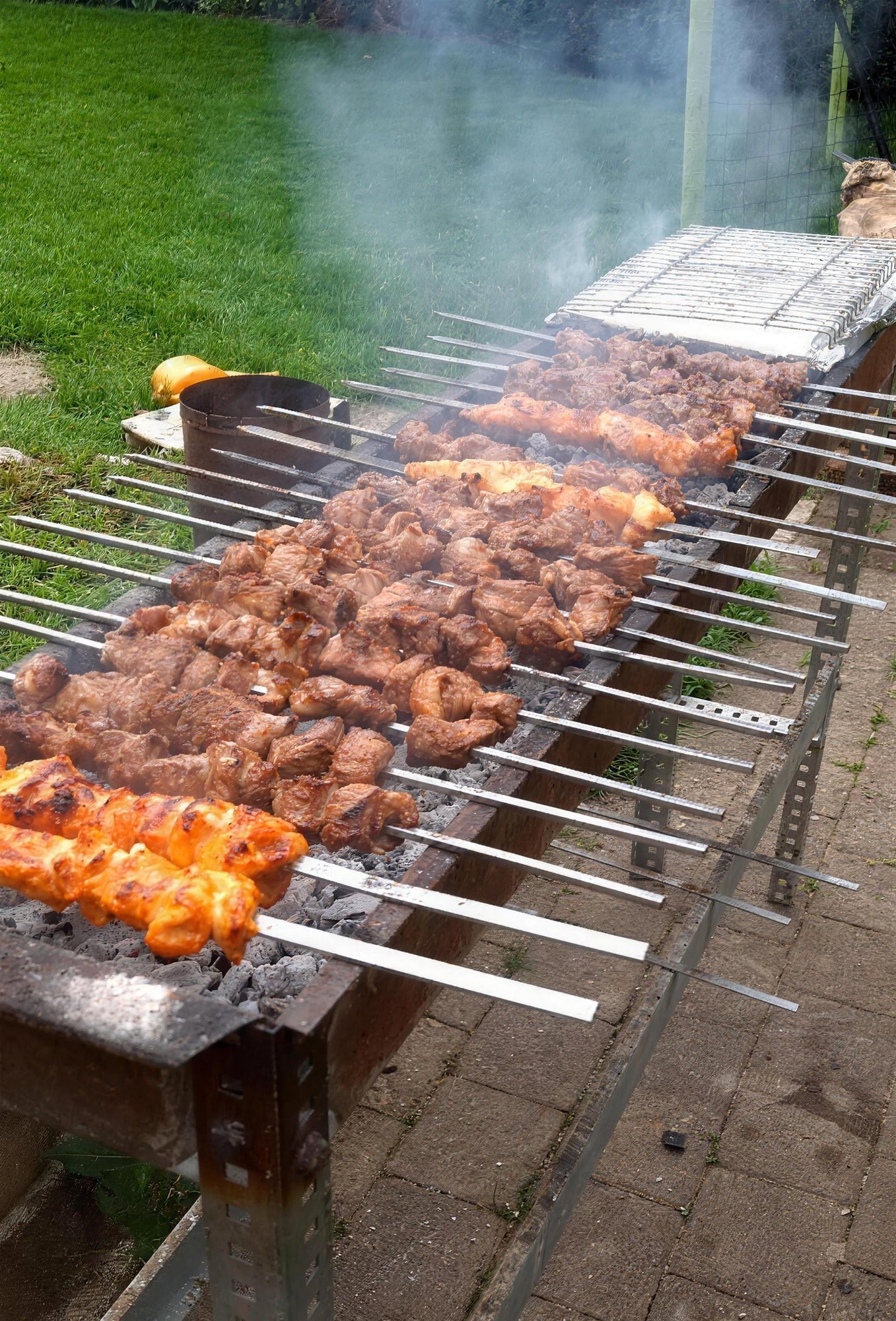
A halal butcher regulars call the best fresh meat on the street — handy if your stay has a kitchen.
Mitte is the easy first-timer base — Brandenburg Gate, Museum Island and the TV Tower are all walkable or a stop away, though it's the most touristy district too. Kreuzberg brings street art, multicultural food and late-night bars; Neukölln next door is our featured food ground, once overlooked and now genuinely the best-value district for authentic eating (plus Tempelhofer Feld, the old airport-turned-park). Prenzlauer Berg is leafy and family-friendly, Friedrichshain is the nightlife capital with Berlin's cheapest hostel beds, and Charlottenburg is West Berlin elegance with upscale hotels.
Capsule-hotel-style bunks dead in the center of Mitte — the cheapest tier that still feels designed, not just cheap.
An aparthotel right by the East Side Gallery, with the Friedrichshain nightlife strip on your doorstep.
An all-suite design hotel near Potsdamer Platz, for when you want space and polish without leaving the center.
A repurposed historic building turned quietly stylish hotel in the West — the pick for a calmer, more grown-up Berlin base.
Booking.com has the deepest Berlin listings across every neighborhood and budget — compare the areas above side by side before you commit.
Berlin's essentials are spread across a big city, and one of them needs booking ahead — sort that first and the rest falls into place:
The city's defining monument, floodlit after dark. Walk past it as many times as you like — it's free every time.
A 360° spiral walk over the city, free to enter but only with a reserved slot — some 2026 dates close to visitors entirely, so lock in a time before you plan the rest of the day.
See Reichstag tours →1.3km of the Berlin Wall repainted by more than a hundred artists — outdoors, free, and best walked slowly.
Five major museums — Pergamon, Neues, Altes, Alte Nationalgalerie, Bode — on one small island; a combined pass saves both money and queueing.
See Museum Island tickets →The observation deck gives you the skyline view the Reichstag dome can't — worth timing for sunset.
The famous crossing point is five minutes on its own; pair it with a guided Cold War or Third Reich walking tour — consistently one of Berlin's best-selling bookings — for the history that isn't on a placard.
See walking tours →Berlin Brandenburg Airport (BER) sits about 18km southeast of the center. The Airport Express (FEX) runs every 15 minutes to Hauptbahnhof in roughly 22 minutes, and S-Bahn lines S9 and S45 also connect — S45 conveniently passes through Neukölln and Tempelhof on its way in. The station runs 24/7. Once you're in the city, the BVG network (U-Bahn, S-Bahn, trams and buses) covers everywhere, and Berlin is flat enough to genuinely get around by bike. For Sonnenallee specifically: it has its own S-Bahn station, or take the U7 to Karl-Marx-Straße or Rathaus Neukölln and walk in. Sightseeing hard across several days? The Berlin WelcomeCard bundles unlimited transit with museum and attraction discounts — worth pricing against single tickets before you commit.
May through September is the sweet spot — summer highs run 22–25°C, and May, September and early October give you nearly the same mild weather as peak summer minus the July–August crowds. Winter runs genuinely cold (highs near 3°C, snow common December–March), though if Christmas markets are your thing, that's a reason to come anyway.
Syrian shawarma, Yemeni cooking, Palestinian falafel and Damascene sweets — a walkable crawl down So
Six neighborhoods that feel like different cities — from Mitte's monuments to Neukölln's Arab Street
The monuments worth the walk, the one ticket you must book ahead, and the Cold War history that's mo
A day-by-day plan that covers the monuments, the Wall, and the Sonnenallee food crawl most Berlin it
May through September is the sweet spot — the honest trade-offs of peak summer, genuinely cold winte
From BER airport into the city on the Airport Express, how the BVG network and a bike cover everythi
Three days covers the core sights — Brandenburg Gate, the Reichstag, Museum Island, East Side Gallery — plus a proper afternoon on Sonnenallee for the food crawl. Give it four or five if you want a club night, a full museum day, or a slower pace through Neukölln and Kreuzberg.
Sonnenallee is a street through Neukölln that's been known as Berlin's 'Arab Street' since Lebanese refugees began settling there in 1975, later joined by Syrian, Palestinian and Yemeni communities. Today it's one of the largest concentrations of Levantine food outside the Middle East — shawarma, falafel, kunafa and halal butchers, block after block. It's a short train ride from central Berlin and genuinely worth a dedicated afternoon; see our full food crawl.
Mitte if it's your first trip and you want to walk to the big sights. Kreuzberg or Neukölln if you want nightlife, street food and a more local feel — Neukölln also puts you steps from Sonnenallee. Charlottenburg is quieter and more upscale, and Friedrichshain has the cheapest hostel beds and the best-known clubs.
Land already connected with an eSIM instead of hunting for a SIM at the airport, and don't travel uninsured — one medical bill abroad costs many times the premium.