Catalonia, Spain
Barcelona
Beyond the Sagrada Família queues — where locals actually eat and drink, which neighborhood to sleep in, and the tickets worth booking ahead.
 Photographed on the ground · Barcelona
Beyond the Sagrada Família queues — where locals actually eat and drink, which neighborhood to sleep in, and the tickets worth booking ahead.
Photographed on the ground · Barcelona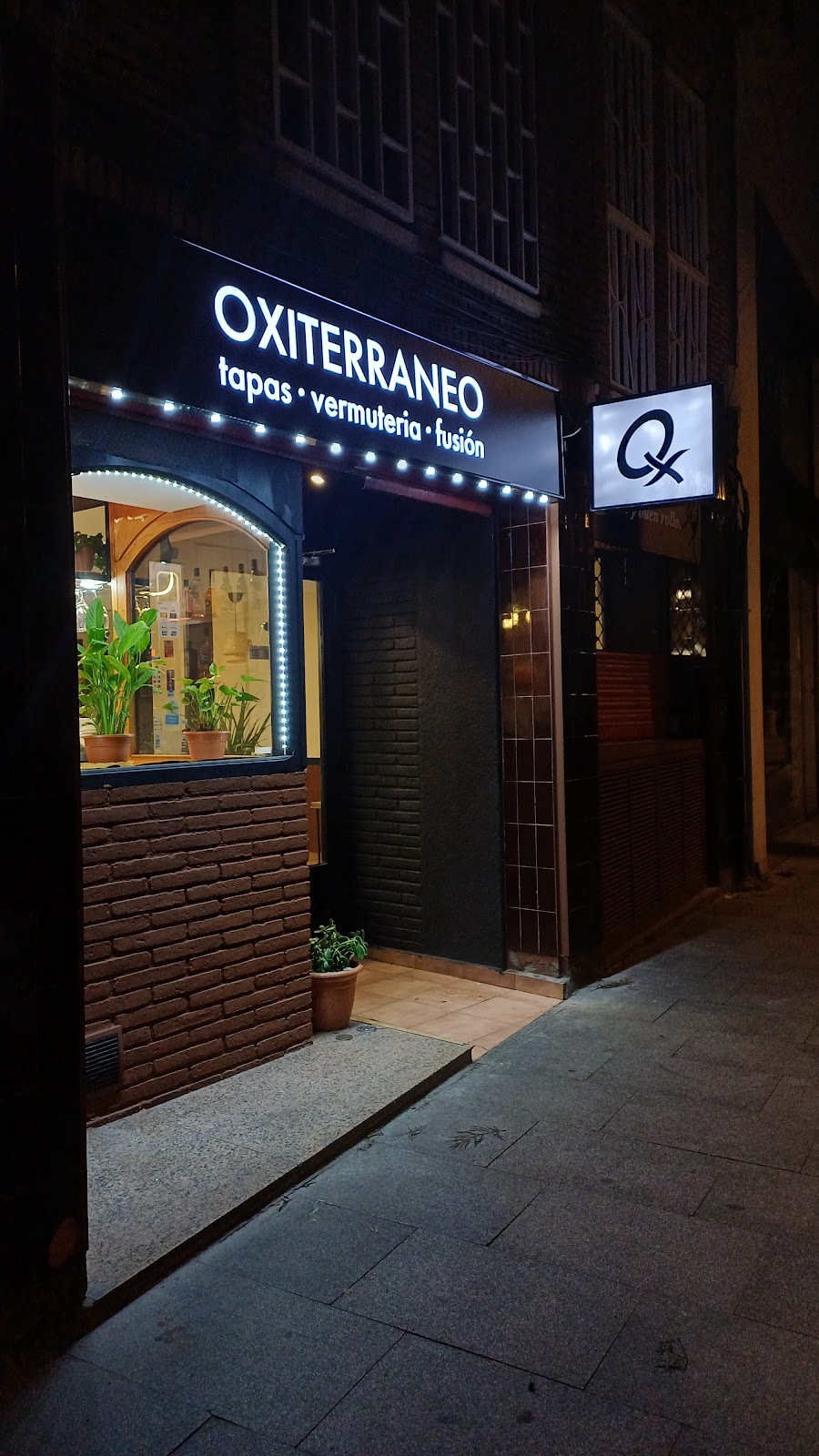
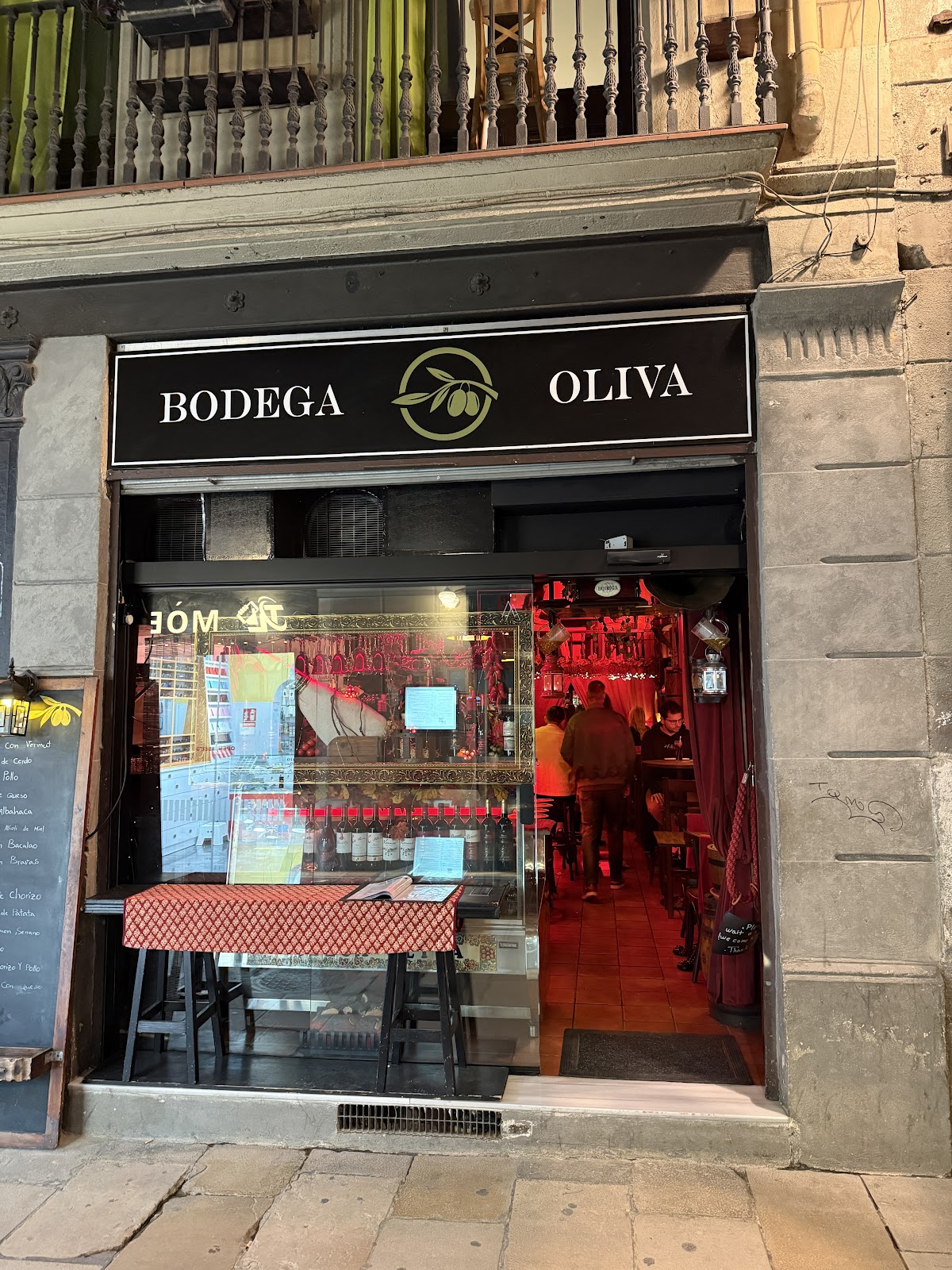
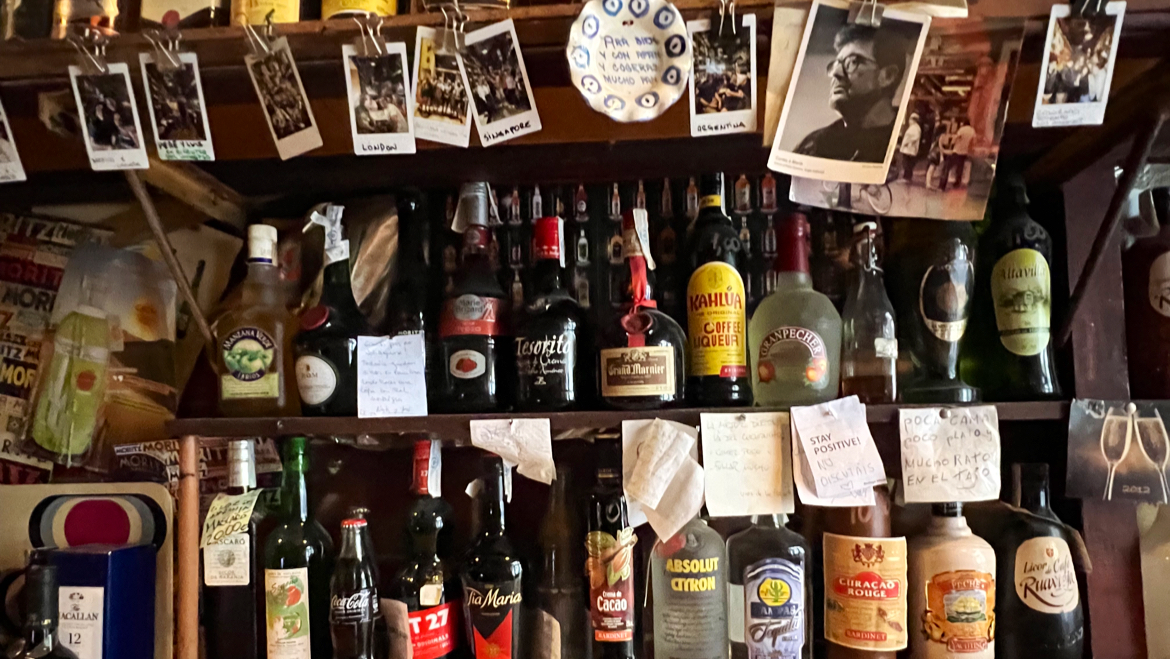
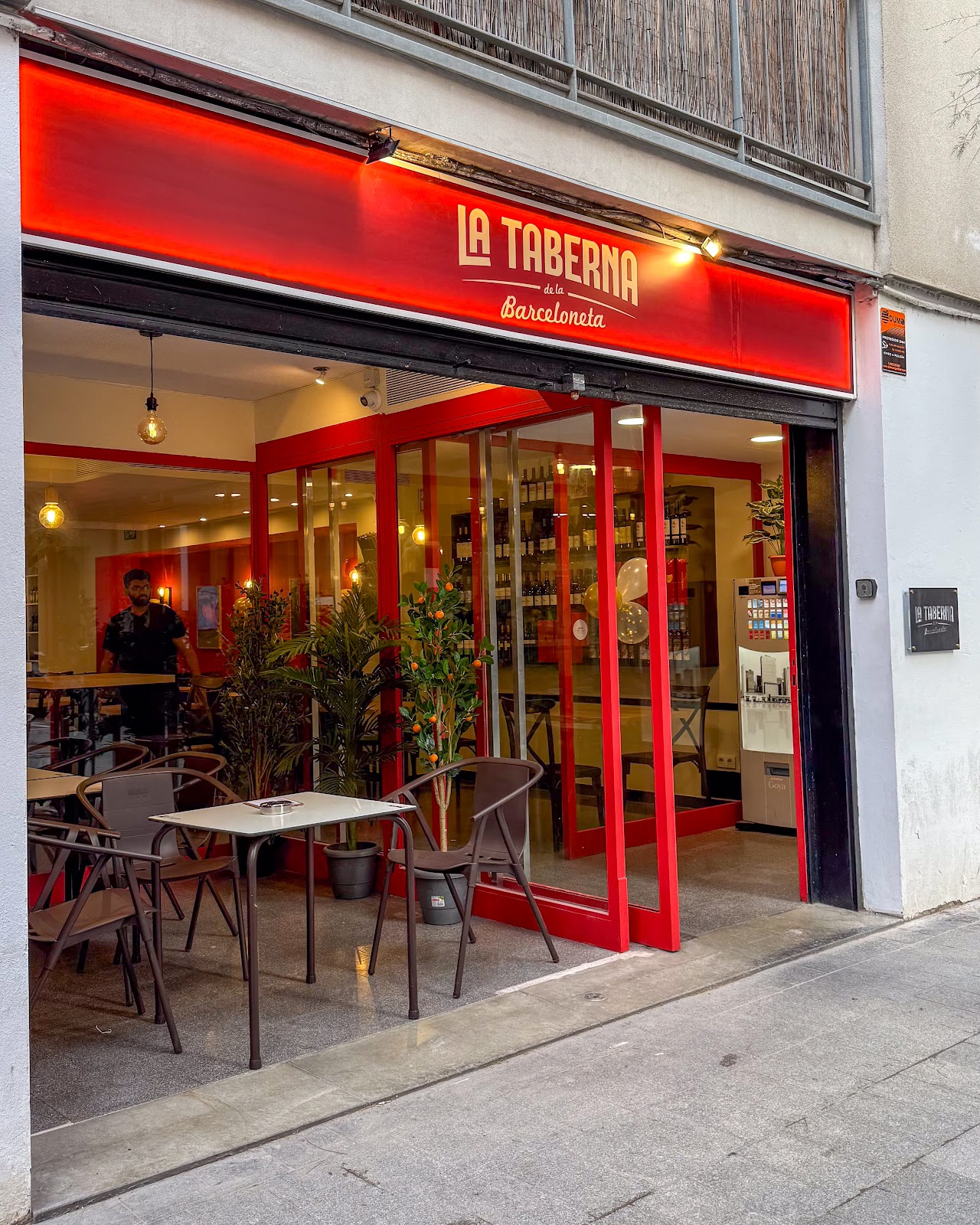
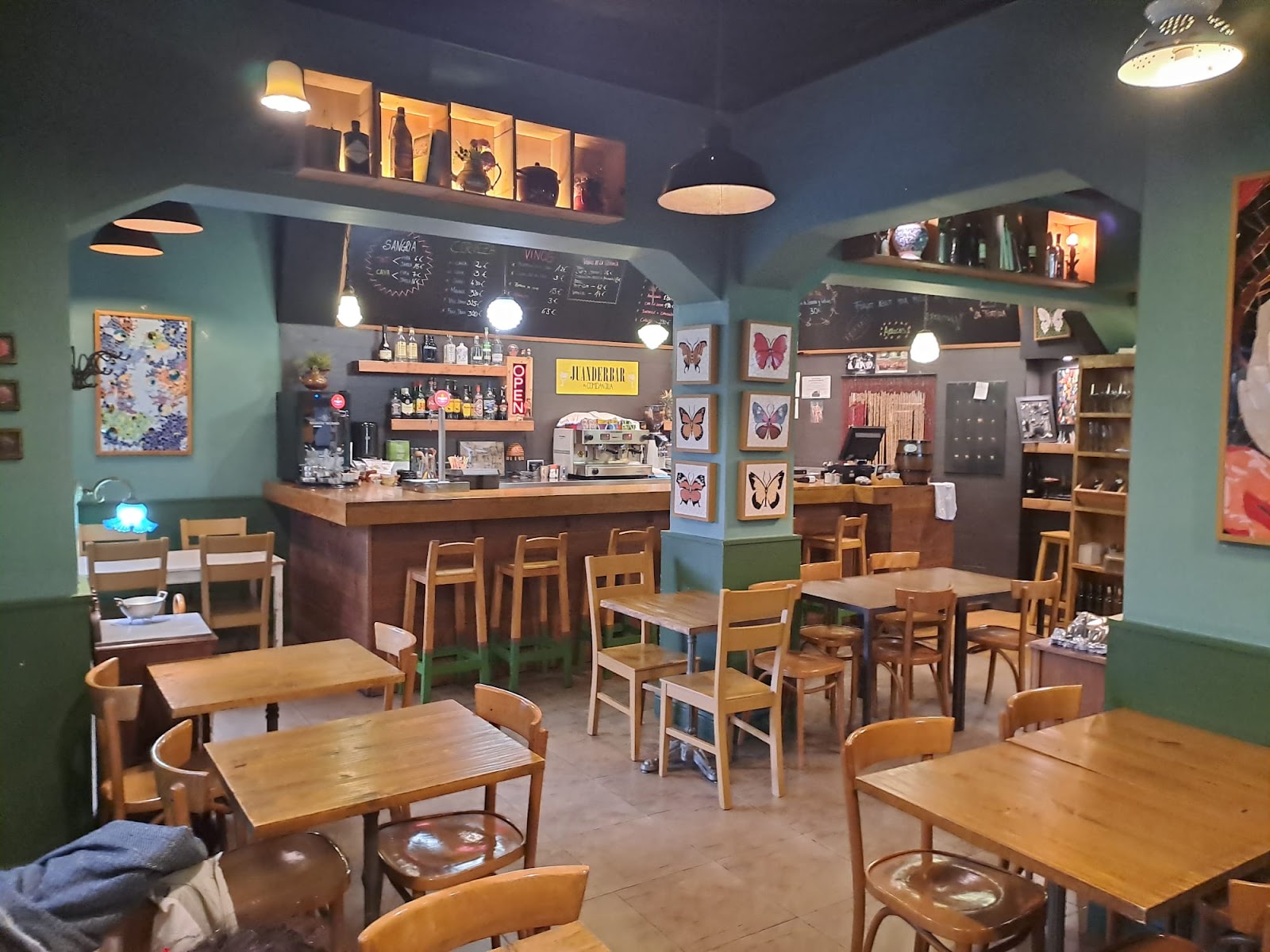
Barcelona has two menus. There's the one taped to a window on La Rambla, in six languages, next to a photo of paella and a tout holding laminated pages — and there's the one three streets back, chalked on a board, in Catalan only, where the vermut is on tap and nobody's translated anything for you. This guide is about finding the second one.
The real Barcelona eats late, drinks vermut before lunch on weekends, and rarely leaves its own neighborhood to do either. Tapas bars, wine bodegas and vermuterías cluster in Sant Andreu, Gràcia and the back lanes of El Born and El Raval — a few metro stops from the postcard sights, and a different city entirely. Here are the places we'd actually take a friend, starting with the one that's been open since 1820.
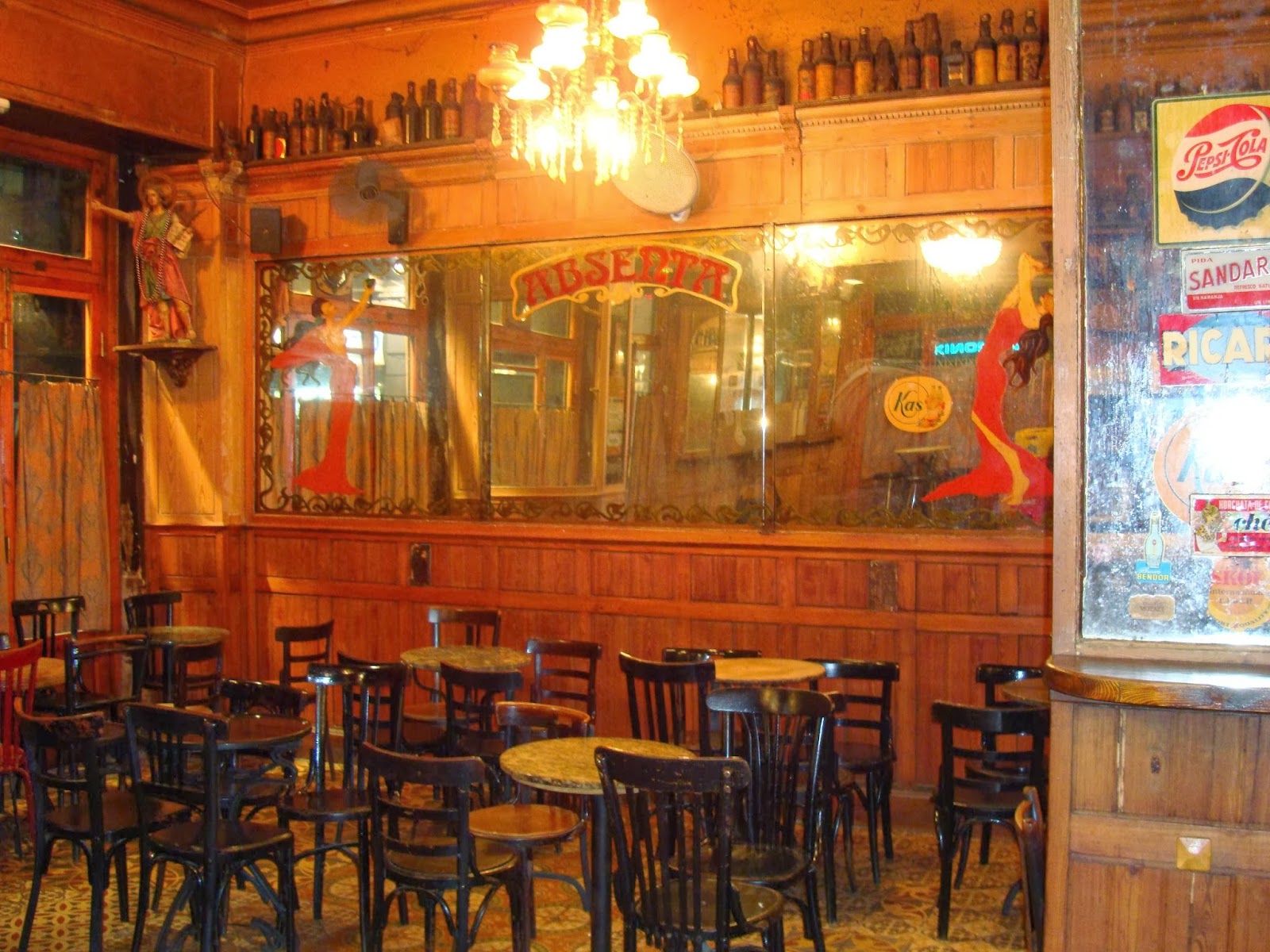
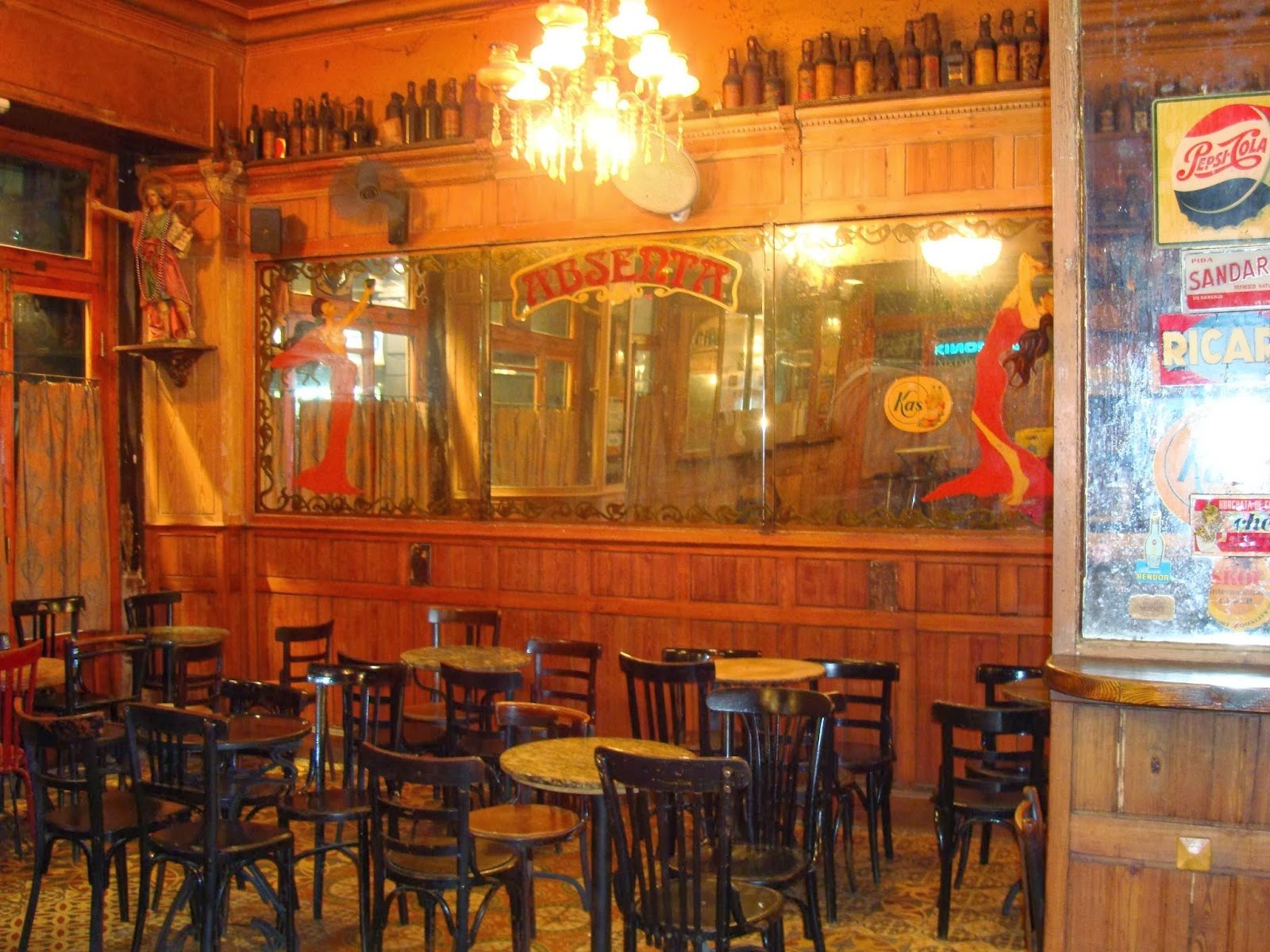
Barcelona's most storied bar, open since 1820 — the original 19th-century interior is still there, and the regulars' list reportedly ran through Picasso, Dalí and Hemingway. Order the house absinthe.
The highest-rated pick in this whole guide. House vermouth, ceviche and 'gambas borrachas' (drunken prawns), in a neighborhood most visitors never reach.
A brick-walled wine bar down a Born side street — anchovies with strawberry jam, and a vermouth flight served 'in order of complexity.'
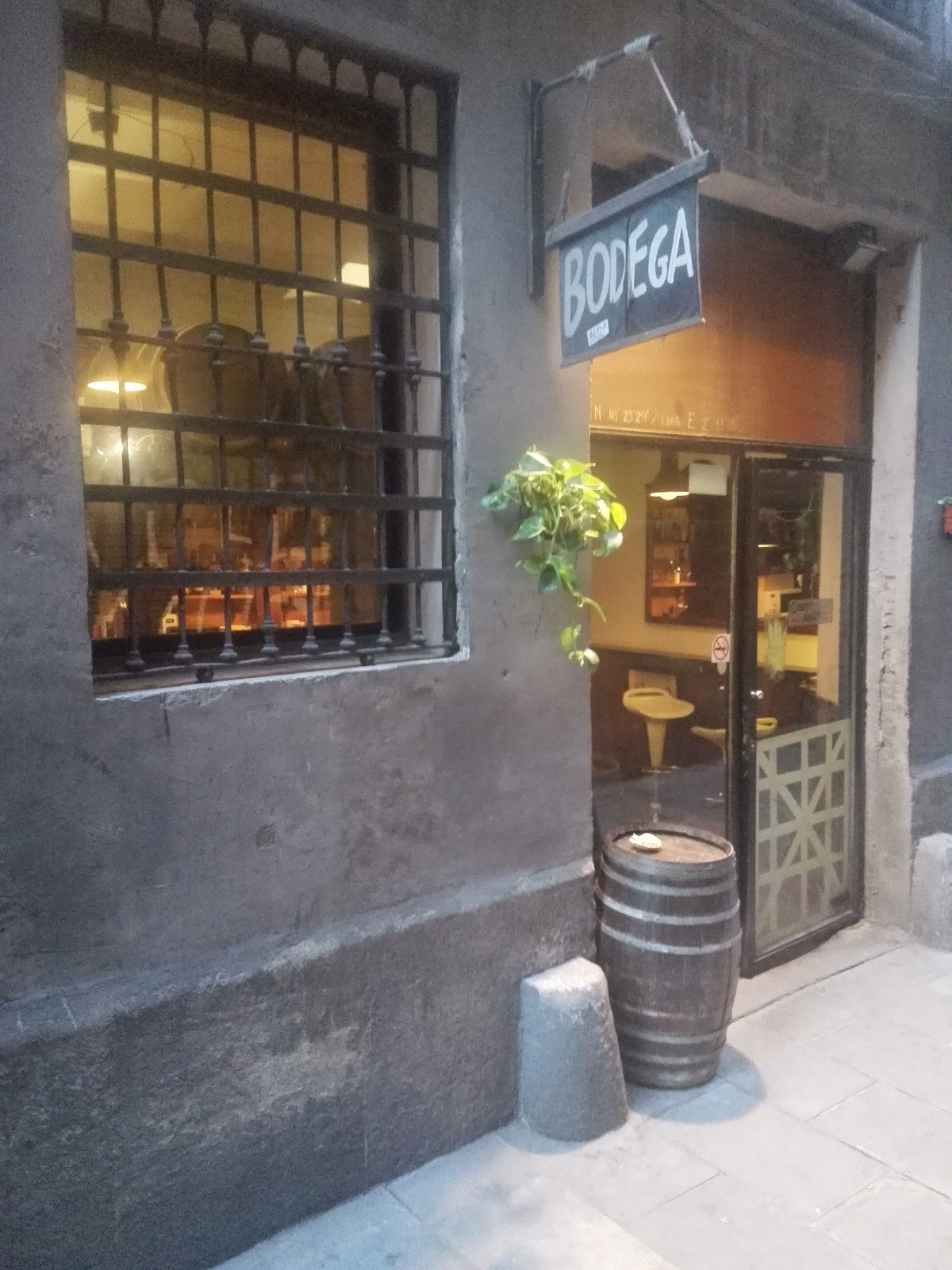
One street back from La Rambla and a different world: a tiny room where staff build you a tasting menu on request. Ask for the eggplant with goat cheese.
Owner-run by Vanessa and Luis, fast and unpretentious — reviewers keep noting how easy it is to eat solo at the bar here.
Steps from the beach neighborhood: octopus 'bomba' and a paella that actually earns its socarrat crust.
Seafood and black paella worth a detour mid-sightseeing, between Park Güell and Sagrada Família.
Home base matters more than usual here. The old-town core — Barri Gòtic, El Born, El Raval — puts you inside walking distance of almost everything; Eixample and Barceloneta trade a short metro ride for wider streets, quieter nights or beach access. A spread across budgets, all currently bookable:
Central and historic-core, Booking-rated 7.6/10 — the reliable budget pick a few streets from the cathedral.
Design-hotel feel right by Gaudí's Passeig de Gràcia landmarks. Rated 9.0/10.
A 10-minute walk to Bogatell Beach, with a terrace and parking — the pick if you want beach over old-town.
An outdoor pool and spa tucked into the old-town center. Rated 9.1/10 — our boutique pick.
If budget is genuinely open, this is the flagship luxury address on Passeig de Gràcia.
Booking.com has the deepest Barcelona inventory, real guest ratings and free cancellation on most rooms — good for weighing old-town against Eixample against beachside before you commit.
You could fill a week with sights alone. These are the six worth your time — including the two you need to book before you land, not after.
Gaudí's unfinished basilica is the single most-visited monument in Spain. Timed entry regularly sells out days ahead — this is the one to sort before you land.
See Sagrada Família tickets →Gaudí's mosaic park has capped entry to the monumental zone — around 800 visitors an hour — since 2013. Same rule: reserve the timed slot in advance.
See Park Güell tickets →Roman walls, the cathedral, Plaça Reial, tangled medieval lanes. Best on foot, best early morning or after dinner once the day-trip crowds thin out.
The hilltop park and fortress above the port — castle, the Joan Miró Foundation, Magic Fountain shows at night, and a cable car for the views.
See Montjuïc tours →The famous market off La Rambla is genuinely worth it — if you go early morning, while it's still a working market and not mostly a photo line.
A jagged mountain monastery about an hour out by train and rack railway or cable car, home to the Black Madonna and a centuries-old boys' choir. The best reason to leave the city for a day.
See Montserrat day trips →Sagrada Família and Park Güell aren't 'buy at the door' anymore — both routinely sell out days ahead in high season. GetYourGuide is the easiest way to lock in a timed slot for either, or both, in one place.
Two more things worth sorting before you land: a data eSIM so you're online from the airport, and proper travel insurance if you don't already carry annual cover.
Get a Spain eSIM (Airalo) →Travel insurance (SafetyWing) →
May–June and September–October are the sweet spot — warm, without August's peak heat or crowds. Barcelona's holiday season really runs six months, May to October, with August daytime temperatures around 27–31°C; winters are mild, with the thinnest crowds and lowest prices. One honest catch: August is also when a lot of the small, family-run bodegas in this guide close for a few weeks — check hours before building a trip around any single one.
This isn't abstract here. By 2017, surveys found roughly 60% of Barcelona residents felt the city had reached or exceeded what it could handle from tourism, and housing pressure from short-term rentals has been severe enough that the city has moved to phase out short-term tourist-apartment licenses. Park Güell's visitor cap and active limits on cruise arrivals are part of the same response. None of that means don't come — it means come a little differently: book a hotel rather than a short-term rental where you can, treat the residential streets around Park Güell and the Gòtic's courtyards as someone's home rather than a backdrop, and spend where this guide already points you — Sant Andreu, Gràcia, Horta-Guinardó — rather than only on the Rambla corridor. It's a better trip anyway.
Past the Rambla's menús turísticos: the tapas bars, vermuterías and century-old bodegas where Barcel
Six neighborhoods, six different trips. Here's who each one actually suits, and exactly which hotels
The Gaudí sights worth booking weeks ahead, the free wandering that's just as good, and an honest no
Old town on Day 1, Gaudí start to finish on Day 2, and a Day 3 that flexes to views, beach or a moun
May–June and September–October are the sweet spot — plus the honest trade-offs of visiting in August
From the airport into town, the metro card that covers almost everything, and why you don't want a r
Three full days covers the Gaudí landmarks, the old town, and one proper meal in a couple of neighborhoods. Five to seven is better if you want to add Montserrat, a beach day in Barceloneta, and time to actually sit still at vermut hour instead of rushing it.
May–June or September–October — warm and mostly crowd-free, without August's heat spike or the small-business closures that come with it. Winters are mild, quiet and cheap if you don't need beach weather.
Mostly outside the postcard core — Sant Andreu, Gràcia, and the back lanes of El Born and El Raval, over tapas and a vermut rather than a Rambla-front menú turístico. Our full food and drink guide has the specific places.
Land already connected with an eSIM instead of hunting for a SIM at the airport, and don't travel uninsured — one medical bill abroad costs many times the premium.